Introduction
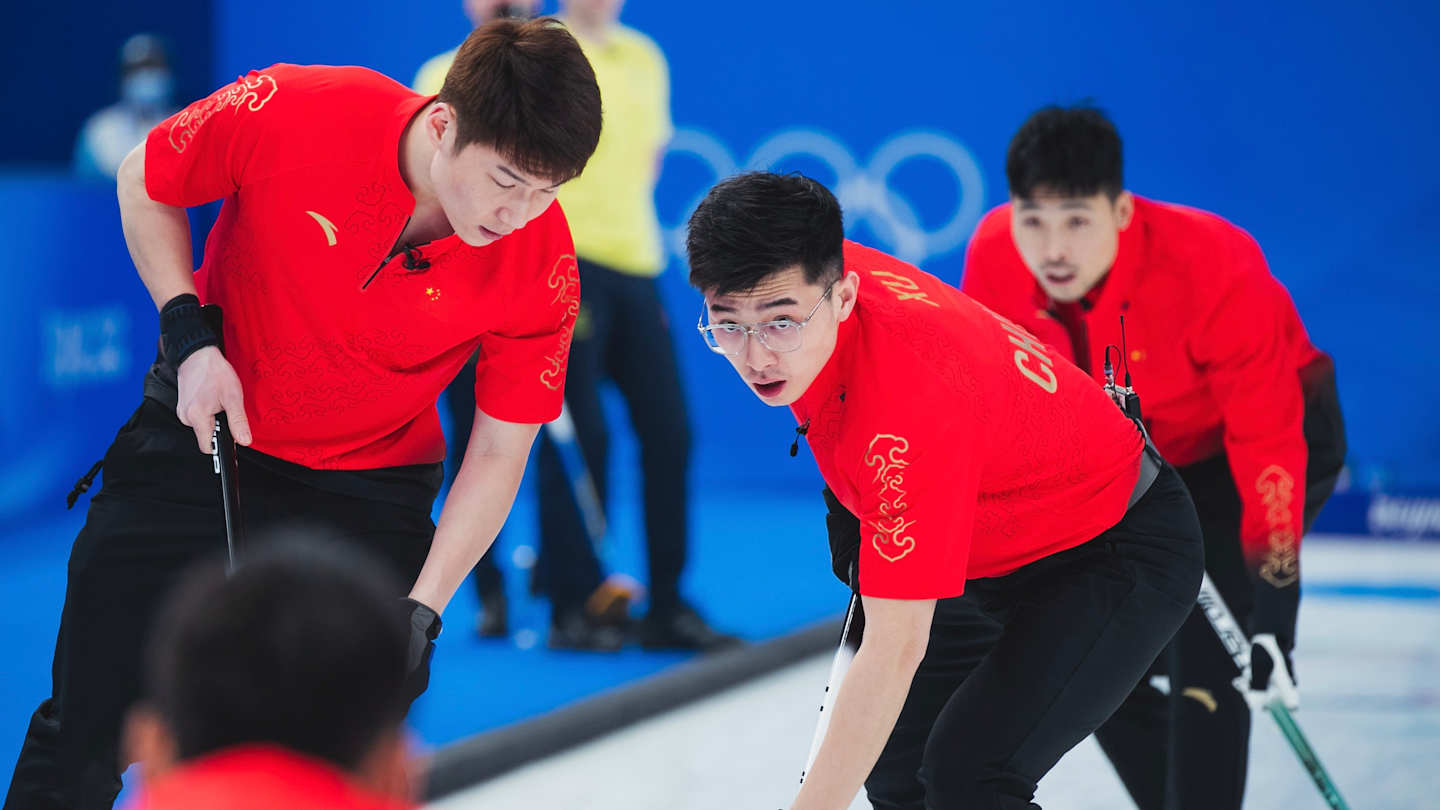
The sport of curling has gained significant attention on the global stage, particularly during international competitions such as the Winter Olympics and World Championships. The rivalry between the United States and China in curling has intensified in recent years, showcasing differences in strategies, training, and cultural approaches to the sport. As both nations continue to invest in their curling programs, understanding their dynamic becomes increasingly important for fans and analysts alike.
Recent Competitions
In the lead-up to the 2022 Winter Olympics, the US and China faced off in numerous competitions, including the 2021 World Men’s Curling Championship and various Grand Slam events. In these matches, the teams displayed contrasting styles: the US often relied on a blend of experienced players and youth, while China focused on its rapidly developing talent pool, which has been nurtured through increased funding and interest in curling.
The 2021 World Championships saw the US men’s team making a commendable run, finishing in the top four, while the Chinese team, led by skip Yi Li, demonstrated tremendous adaptability and skill, ultimately securing a spot in the medal rounds. This progression illustrates the growing competitiveness of China in curling, a nation that previously lagged behind traditional powerhouses. Their success highlights the sport’s evolution within China, fostered by the nation’s emphasis on sports excellence.
Team Strategies and Cultural Influences
Strategically, US curling teams tend to prioritize aggressive shot-making and play-making, often relying on strong communication and tactical execution. In contrast, Chinese teams typically demonstrate precision and technological savvy, utilizing detailed analysis and metrics to inform their play. The cultural differences are also profound; while the US teams embrace individualism and flair, Chinese teams often emphasize collectivism, teamwork, and disciplined practice. These contrasting values can influence match outcomes and viewer engagement.
Future Prospects
Looking ahead, the rivalry between the US and China in curling promises to intensify. With increased investment in youth programs and training facilities, both nations are aiming for gold in upcoming tournaments, including the 2026 Winter Olympics in Milan. As both teams continue to evolve, fans can expect not only closer matches but also an elevated level of competition that will enrich the sport globally.
Conclusion
The curling rivalry between the US and China exemplifies the sport’s growing international appeal and competitive nature. With each meeting, both nations showcase their distinct strengths and cultural approaches to the game. As curling continues to capture the attention of audiences worldwide, the US vs. China matches will certainly be among the most anticipated events in the curling calendar, promising thrilling moments and heightened stakes for athletes and fans alike.