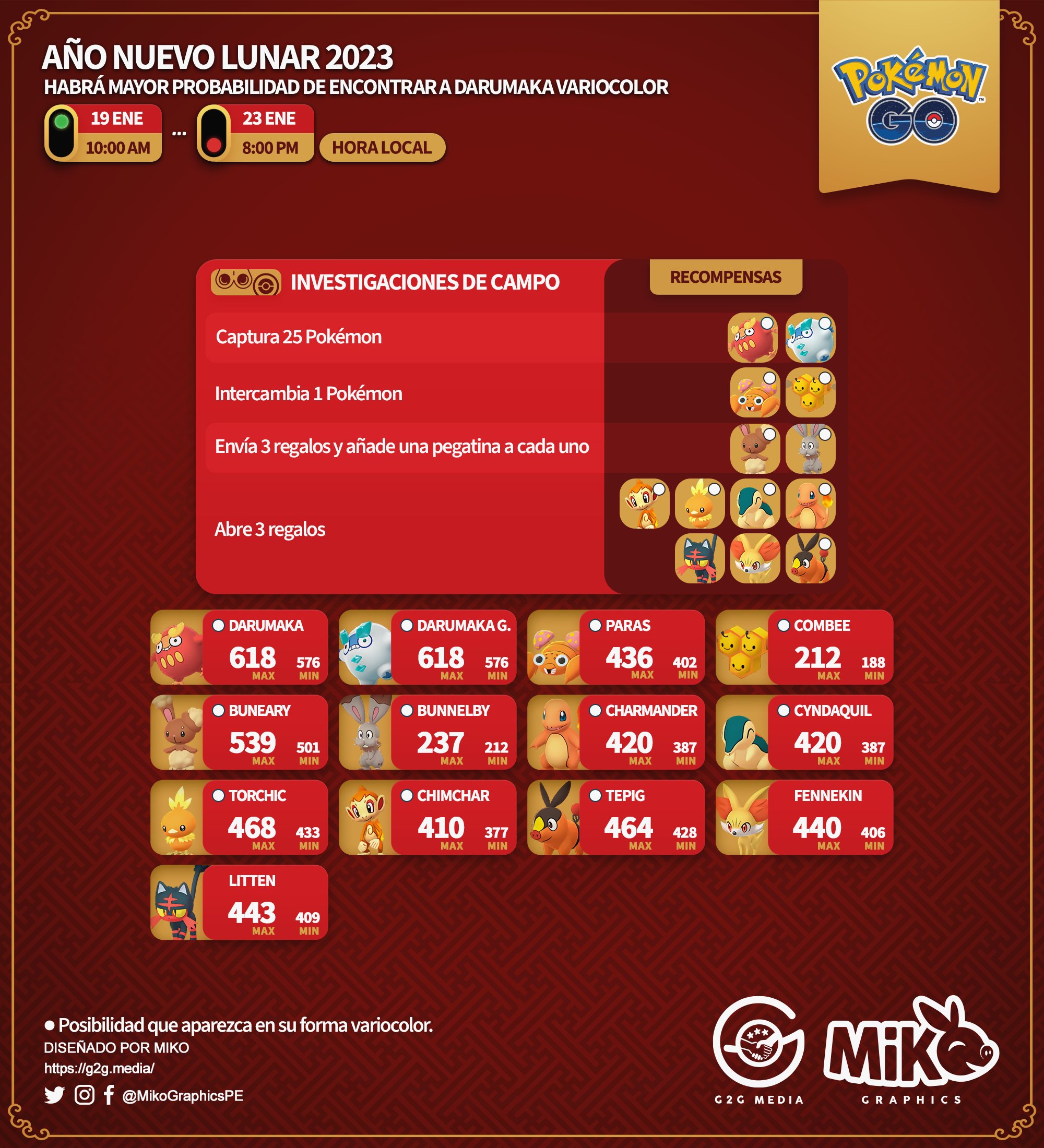
Introduction to Año Nuevo Lunar
Año Nuevo Lunar, also known as Lunar New Year or Chinese New Year, marks the arrival of spring and the start of the lunar calendar year. Celebrated primarily in China and other Asian countries, this festival has gained global popularity, representing a significant cultural heritage and communal celebration. In 2023, Año Nuevo Lunar falls on January 22, ushering in the Year of the Rabbit, a symbol of peace and prosperity in the Chinese zodiac.
Significance and Traditions
The celebration of Año Nuevo Lunar is steeped in rich traditions and customs that vary by region. Common practices include family reunions, festive meals, and exchanging red envelopes containing money, known as “hongbao” in Mandarin, as a gesture of good luck. Streets and homes are often adorned with red decorations, symbolizing good fortune and happiness.
One of the most important aspects of the celebration is the Reunion Dinner, which occurs on New Year’s Eve. Families gather for a lavish meal featuring dishes that symbolize prosperity, such as fish, dumplings, and sticky rice cakes. Following the dinner, many pay homage to ancestors, expressing gratitude and seeking blessings for the coming year.
Global Celebrations
While traditionally celebrated in East Asia, Año Nuevo Lunar has transcended borders, with celebrations observed in countries like Vietnam (known as Tet), Korea (Seollal), and among the Vietnamese, Chinese, and Korean communities worldwide. Major cities, including San Francisco and London, host grand parades featuring lion dances, cultural performances, and fireworks, attracting thousands of participants and spectators.
Conclusion and Future Outlook
As we approach Año Nuevo Lunar 2023, the anticipation for this vibrant celebration is palpable among communities worldwide. Increased cultural exchange and globalization mean that the significance of Año Nuevo Lunar continues to grow, fostering a sense of unity and appreciation among diverse populations. As customs are shared and adapted, the festival promises to thrive, enriching the cultural tapestry of societies around the globe.