Introduction to Dortmund
Dortmund, located in the North Rhine-Westphalia region of Germany, is a city known for its rich history, cultural heritage, and economic significance. Once an industrial powerhouse, Dortmund has transformed into a hub for culture and community engagement, making it an important city in modern Germany.
Historical Significance
Dortmund’s history dates back to the 9th century, originally established as a trading community. The city became part of the Hanseatic League in the 13th century, which significantly boosted its economic growth. Throughout the 19th century, Dortmund was recognized for its coal and steel industries, contributing to its reputation as a leading industrial center in Germany. This industrial boom led to a population increase, and by the early 20th century, Dortmund was one of the most populous cities in the country.
Modern Developments
In recent decades, Dortmund has undergone a significant transformation post-World War II, shifting from an industrial economy to a service-oriented economy. The city has invested in the cultural sector, establishing numerous museums, theaters, and art venues. The Dortmund U-Tower, a former brewery turned cultural center, stands as a symbol of the city’s commitment to art and innovation.
Cultural Events and Attractions
Dortmund hosts a variety of cultural events throughout the year, reflecting its diverse community. The annual Christmas market is a significant event, attracting visitors with its festive atmosphere and local crafts. Additionally, the city is known for its culinary scene, particularly the famous Dortmund beer, which boasts a long-standing brewing tradition.
Football Craze
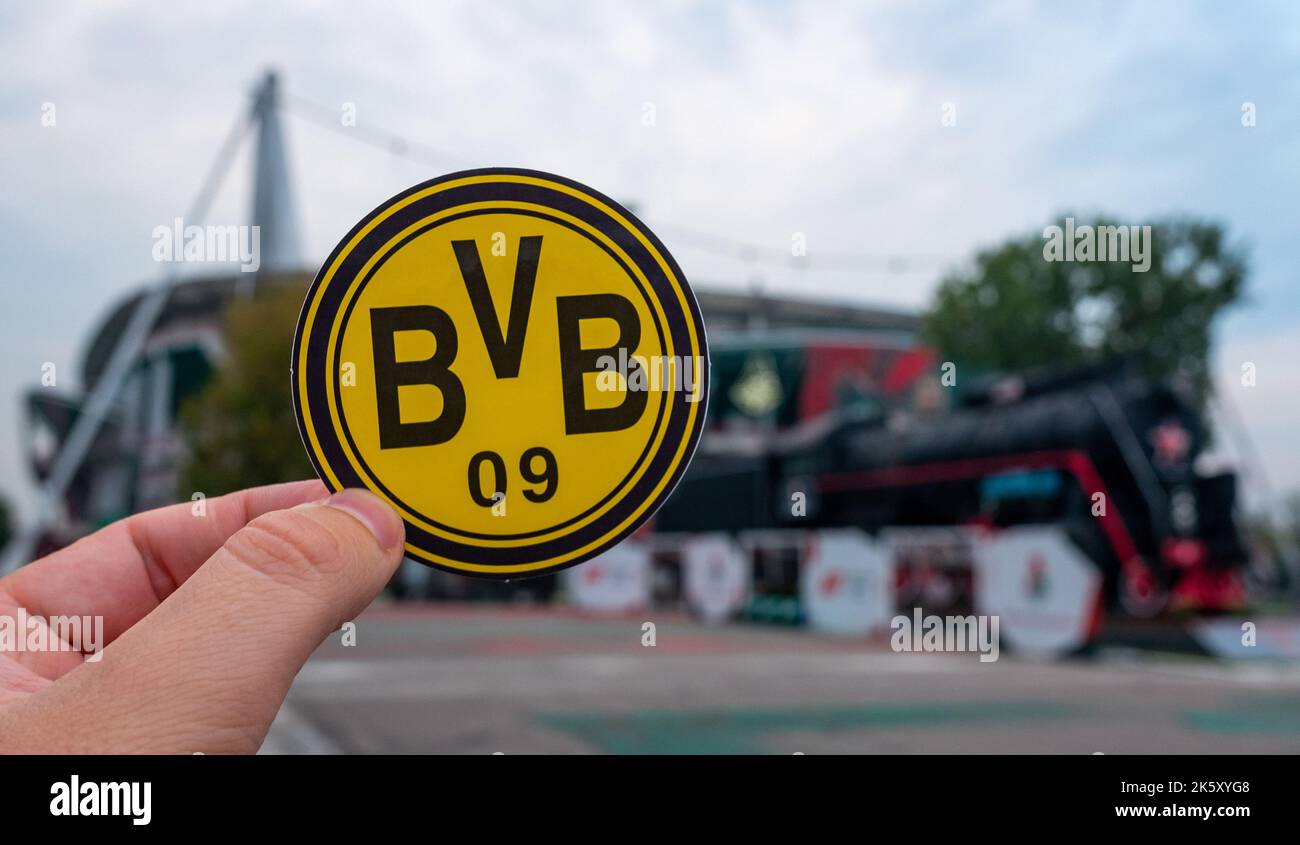
No discussion about Dortmund would be complete without mentioning Borussia Dortmund, one of the most successful football clubs in Germany. The team boasts a passionate fan base and plays at the Signal Iduna Park, known for its electric atmosphere during matches. This aspect of the city brings a sense of community and pride among residents, and sports events often bring together people from various backgrounds.
Conclusion
Dortmund is not just a city steeped in history; it is a beacon of modern culture and community. As Dortmund continues to develop and attract visitors from around the world, it remains an essential part of Germany’s societal and economic landscape. The city’s blend of industrial heritage, cultural innovations, and sporting devotion makes it a fascinating destination for both residents and tourists alike.