Introduction
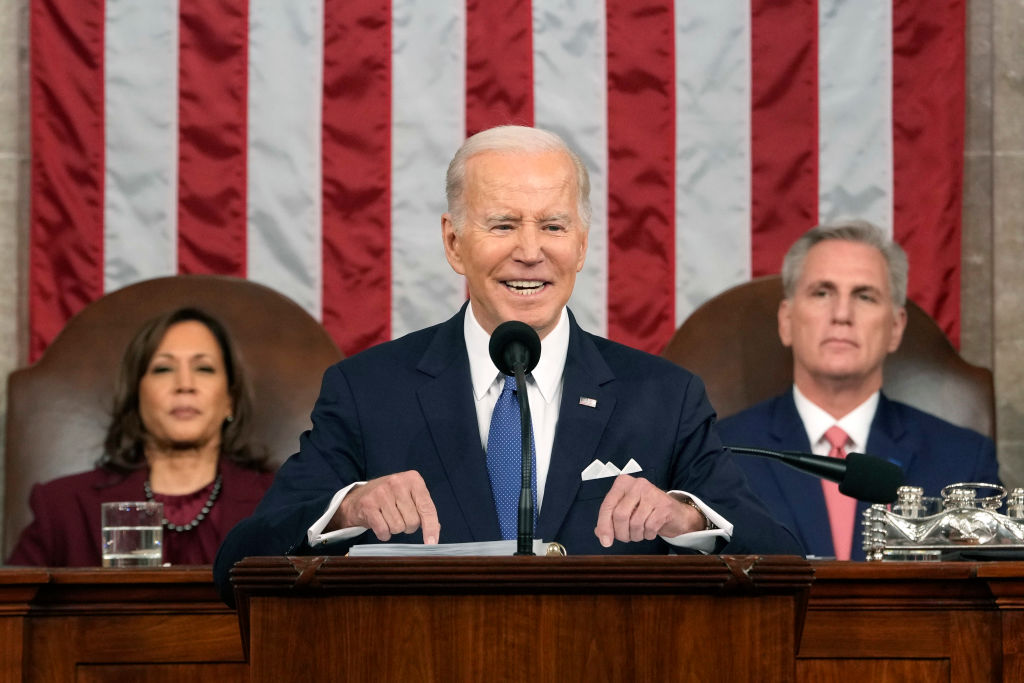
The State of the Union address is one of the most significant traditions in American politics, providing a yearly overview of the president’s agenda, the country’s progress, and the challenges ahead. As we look toward 2026, this address will carry greater importance due to rising economic concerns, social divisions, and international tensions. Understanding the state of the Union in 2026 can provide insights into the political landscape and future policy directions.
Context and Current Events
With the landscape of American politics constantly evolving, the 2026 State of the Union is expected to address a myriad of pressing issues. As the nation continues to recover from the economic impacts of the global pandemic, inflation remains a central concern for many Americans. Reports from the Bureau of Economic Analysis indicate that while the economy is on a recovery trajectory, inflation rates are still higher than pre-pandemic levels, creating challenges for consumers and policymakers alike.
Furthermore, social issues such as gun control, healthcare accessibility, and climate change remain hot-button topics that will likely take center stage in the upcoming address. Over the past year, incidents of gun violence have prompted renewed calls for legislative action and reform. Similarly, the ongoing debate surrounding healthcare has intensified, with advocates pushing for universal coverage amidst escalating costs.
Political Implications and Forecasts
As the 2026 State of the Union approaches, the current political climate suggests that the address will not only serve as a platform for the president to outline policy initiatives but also as a crucial moment for rallying support amidst a divided Congress. The potential for bipartisan cooperation may be tested, particularly on issues that resonate with the American public, such as infrastructure investment and education reform.
Analysts predict that the address could serve as a bellwether for the upcoming elections, influencing voter sentiment and party strategies. Given this context, the impact of political messaging during the State of the Union could shape the policies and priorities pursued by both parties in the election year ahead. Furthermore, how the president tackles foreign policy challenges, including relations with China and Russia, will also be pivotal in shaping national security discussions.
Conclusion
In conclusion, the State of the Union 2026 will likely serve as a critical juncture for assessing the nation’s direction and leadership. With pressing domestic and international issues at play, the address will be key for policymakers, political analysts, and citizens alike. Fostering unity and addressing the concerns of the populace will be essential, and as the nation looks ahead, the outcomes of the State of the Union will undoubtedly resonate beyond the address itself, influencing the broader political narrative in America.