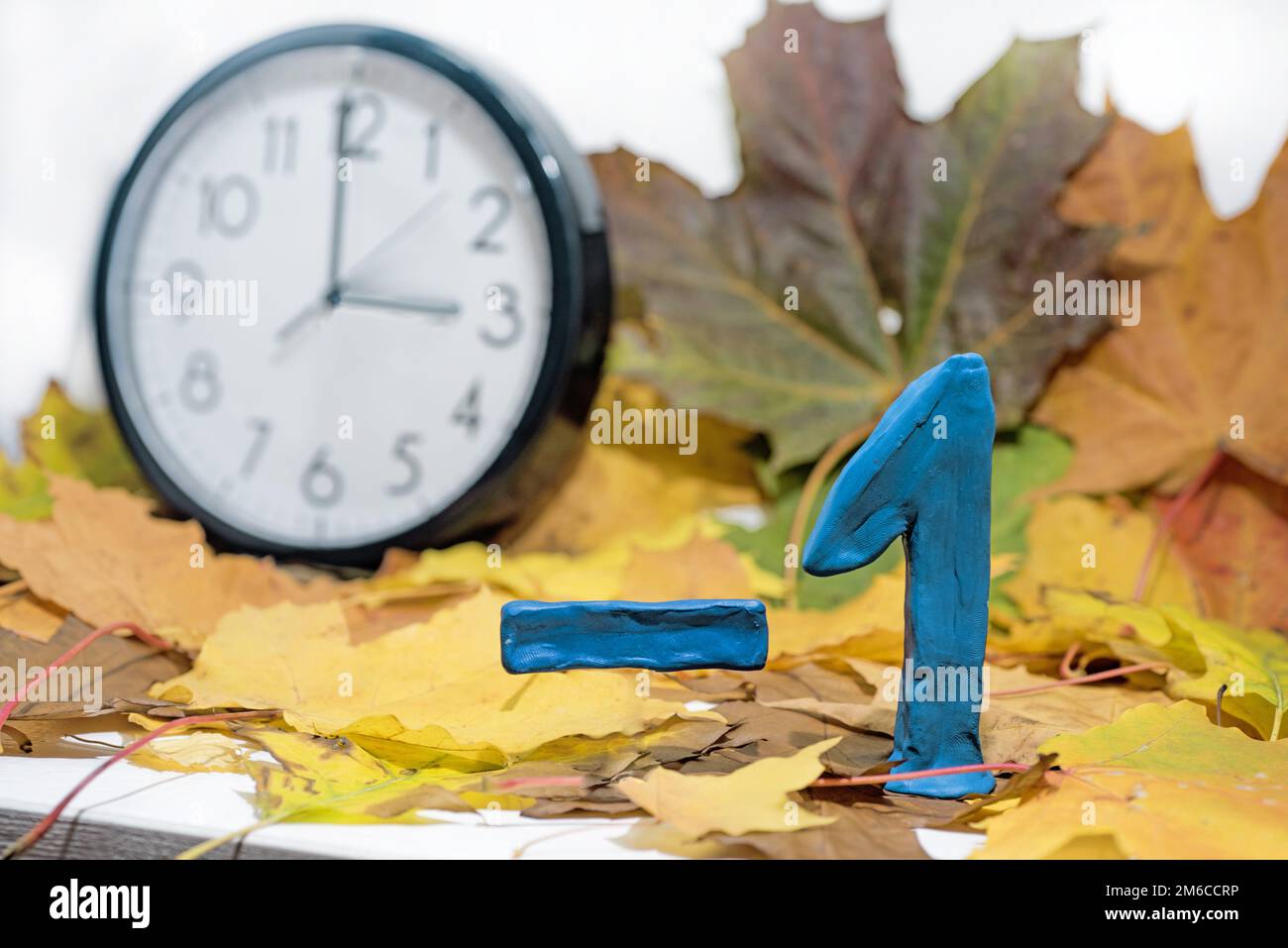
Introduction to Daylight Saving Time
Daylight Saving Time (DST) is a practice that involves setting the clock forward by one hour during the warmer months to extend evening daylight. Initiated as a way to promote energy conservation and make better use of daylight, DST is relevant in discussions about energy policy, health, and productivity as many regions worldwide continue to implement this time-altering practice.
History and Adoption of Daylight Saving Time
The concept of Daylight Saving Time was first proposed by Ben Franklin in 1784, but it wasn’t until World War I that it was adopted in many countries, including the United States, as a wartime measure to save energy. After a period of decline post-war, it was reintroduced during World War II. Following the war, its usage became a state and local choice until 1966, when the Uniform Time Act standardized it across the U.S. Today, DST begins on the second Sunday in March and ends on the first Sunday in November.
Benefits and Controversies
Proponents of Daylight Saving Time argue that it helps reduce energy consumption, lowers traffic accidents by providing more daylight for evening activities, and promotes outdoor leisure activities, enhancing overall well-being. However, detractors highlight concerns regarding health issues, including sleep disruption, increased heart attack risk, and negative impacts on productivity due to the clock changes. Various studies have shown mixed results regarding energy savings, prompting ongoing debates about whether to abolish DST altogether.
Current Status and Future Implications
In recent years, several states have initiated proposals to either eliminate the observance of DST or to make it permanent. In 2022, the U.S. Senate passed a bill known as the Sunshine Protection Act that aimed to make DST permanent, although the bill has not yet passed in the House of Representatives. The conversation surrounding DST continues to evolve, with some advocates highlighting the need for a thorough evaluation of its effects on society and the economy.
Conclusion
Daylight Saving Time remains a complex and often contentious topic that reflects broader debates about energy usage, health, and modern living. As jurisdictions continue to grapple with its implications, it is crucial for residents to stay informed about potential changes to their timekeeping practices. Whether one embraces the extra hour of evening light or prefers a stable clock year-round, understanding the nuances of Daylight Saving Time is essential in navigating its ongoing impact on daily life.