Introduction
The Delhi Metro has emerged as a critical component of urban transportation in the Indian capital, significantly impacting the daily commute of millions. Launched in 2002, it has not only transformed the way people travel but also alleviated traffic congestion and pollution in the city. Given the rapid urbanization of Delhi, the importance of an efficient public transport system cannot be overstated.
Expansion and Growth
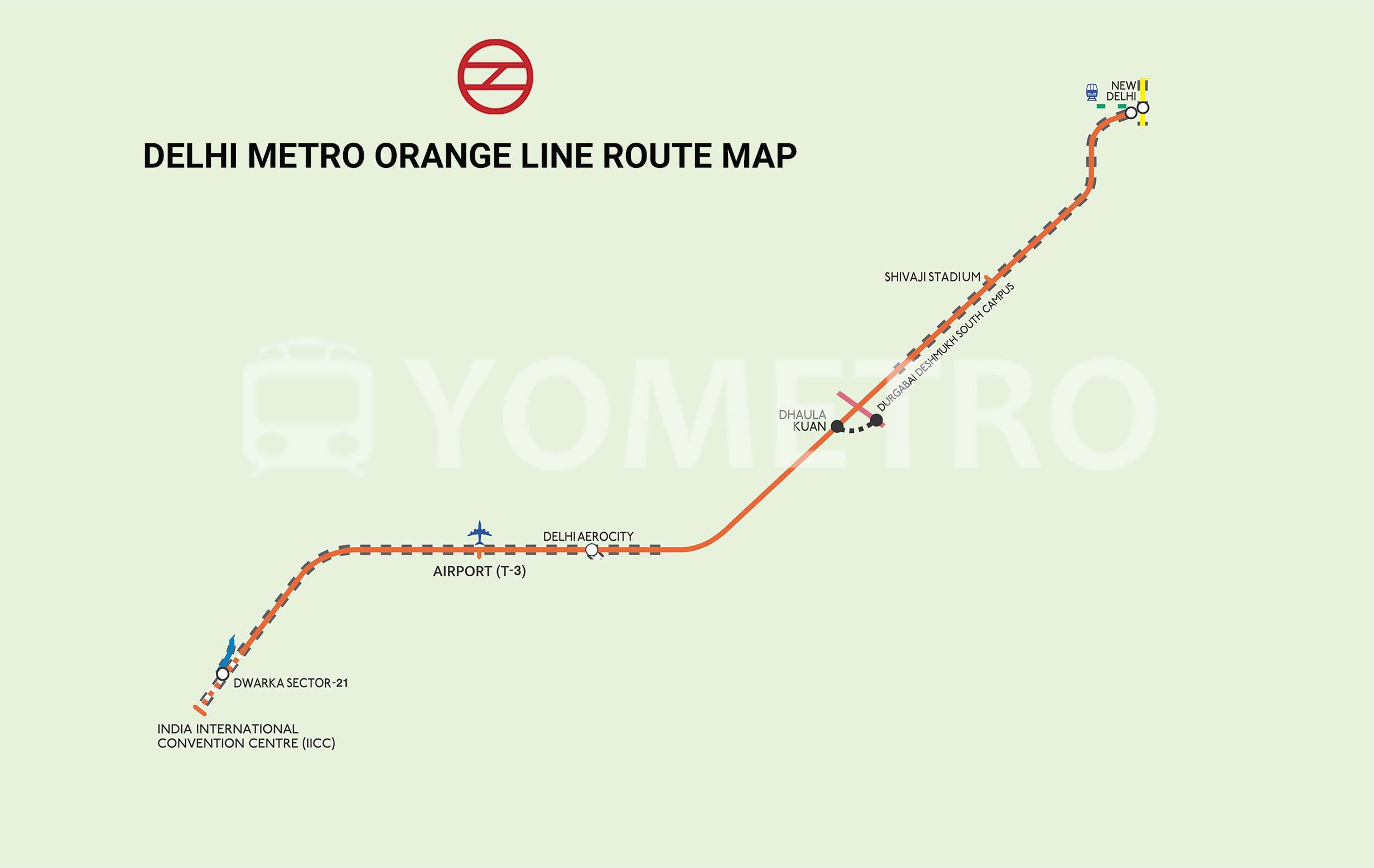
As of 2023, the Delhi Metro network boasts over 390 kilometers with more than 285 stations, making it one of the largest metro systems in the world. The recent expansions have introduced new lines such as the Pink Line and the Magenta Line, connecting underserved areas and enhancing accessibility. Moreover, the government has announced further extensions, including the planned Phase IV, which aims to add an additional 104 kilometers to the network.
Technological Advancements
Delhi Metro is known for its innovative approaches to transportation technology. The incorporation of automated train operations, real-time tracking systems, and the use of eco-friendly energy sources highlight its commitment to sustainability. The introduction of QR code ticketing systems has simplified the commuting experience as well, allowing for contactless travel amidst ongoing public health concerns.
Social and Economic Impact
The social implications of the Delhi Metro have been equally significant. It has created thousands of jobs, both directly and indirectly, contributing to economic growth. Furthermore, the convenience and reliability of the metro system have encouraged more people to opt for public transport instead of personal vehicles, which is pivotal for reducing carbon emissions and fostering a cleaner urban environment.
Challenges Ahead
Despite its successes, the Delhi Metro faces several challenges, including overcrowding during peak hours and the need for continued investment in infrastructure maintenance. Addressing these issues is essential to ensure that the system remains efficient and meets the growing demands of the populace.
Conclusion
Overall, the Delhi Metro serves as a model for urban transportation systems worldwide, illustrating the potential benefits of investing in public transit. As Delhi continues to grow, the metro’s role will be vital in shaping a sustainable urban future. With ongoing enhancements and expansions, the Delhi Metro is poised to remain a cornerstone of the capital’s transport infrastructure for years to come.