Introduction
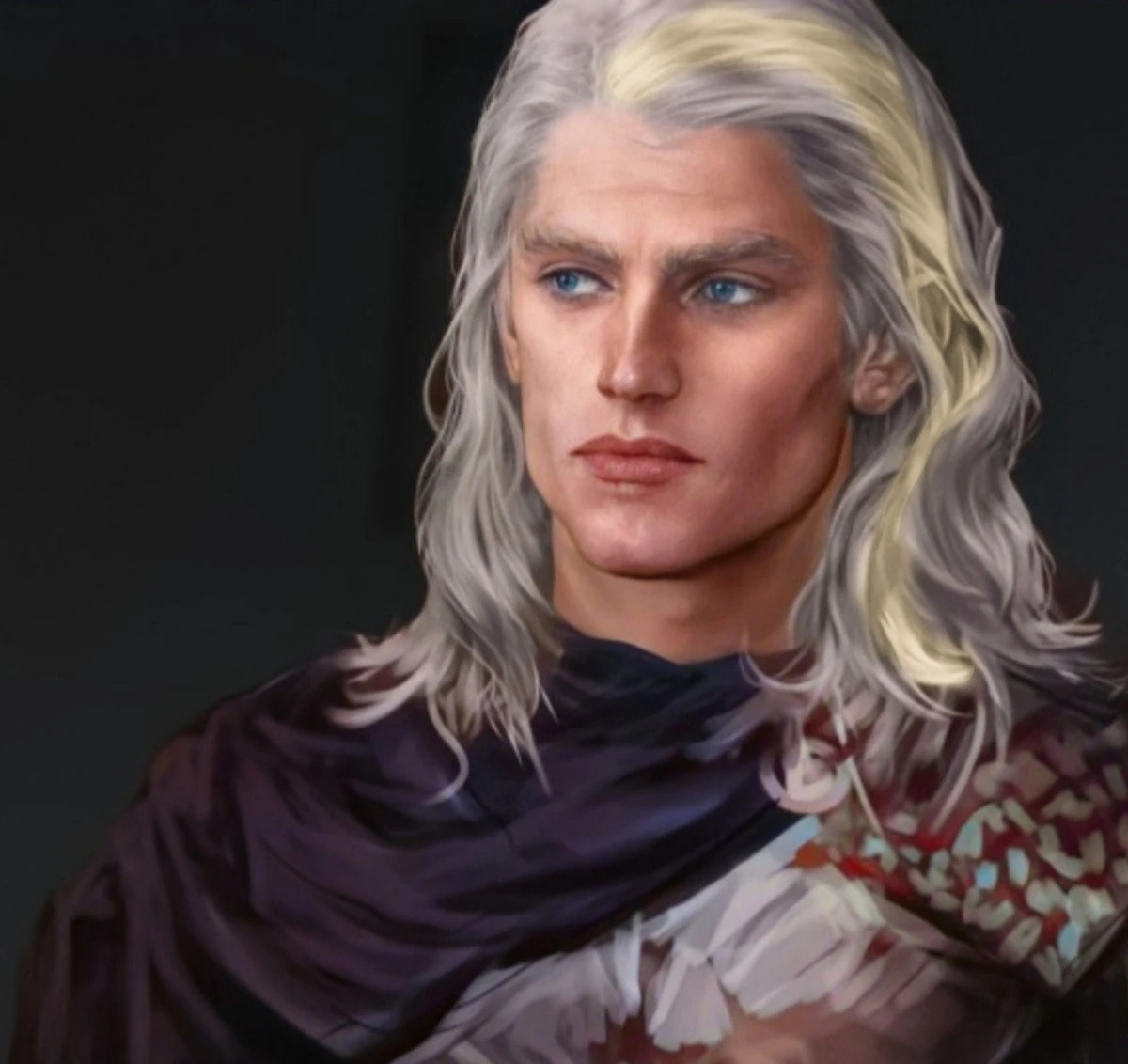
Baelor Targaryen, often referred to as Baelor the Blessed, is a historically significant figure in the lore of Westeros from George R.R. Martin’s ‘A Song of Ice and Fire’ series and the television adaptation ‘Game of Thrones’. His reign as the king of the Seven Kingdoms during the Targaryen dynasty was marked by profound religious piety and peace, making his story relevant to both fans of fantasy literature and historical narratives of governance and morality.
Early Life and Rise to Power
Baelor was born into the House Targaryen, a family known for their dragons and tumultuous history. He was the son of King Aegon III and Queen Jaehaera, giving him a lineage that highlighted the Targaryen struggle for power after the civil war known as Dance of the Dragons. Ascending to the throne in 134 AC, Baelor was still in his youth, but his firm belief in the Faith of the Seven influenced his policies and decisions as king.
Reign and Policies
Baelor’s reign, which lasted until 171 AC, was characterized by a strong focus on religion. His attempts to reconcile the different factions within Westeros led to a series of peace treaties that halted further bloodshed after years of civil war. He famously built the Great Sept of Baelor in King’s Landing, a symbol of his dedication to the Faith of the Seven. Furthermore, Baelor was known for his unique practices, such as his decision to physically separate himself from his own dragons, which many viewed as a divergence from previous Targaryen customs.
Impact and Legacy
Although Baelor’s reign was marked by a strict adherence to religious values, it bore a significant impact on the cultural landscape of Westeros. His commitment to piety and peace earned him the moniker ‘the Blessed,’ but his reluctance to marry and continue the Targaryen line led to concerns over the dynasty’s future. His eventual death in a tragic accident further complicated the already unstable political environment.
Conclusion
Baelor Targaryen’s reign serves as a fascinating study of how religion, politics, and personal conviction intertwine in the fabric of leadership. While his life was brief and filled with challenges, the legacy he left behind continues to resonate through the tales of Westeros. For fans and historians alike, exploring Baelor’s choices and their ramifications offers valuable insights into the complexities of ruling a kingdom and the lasting influence of ideologies on history.