Introduction to Aaj Ka Panchang
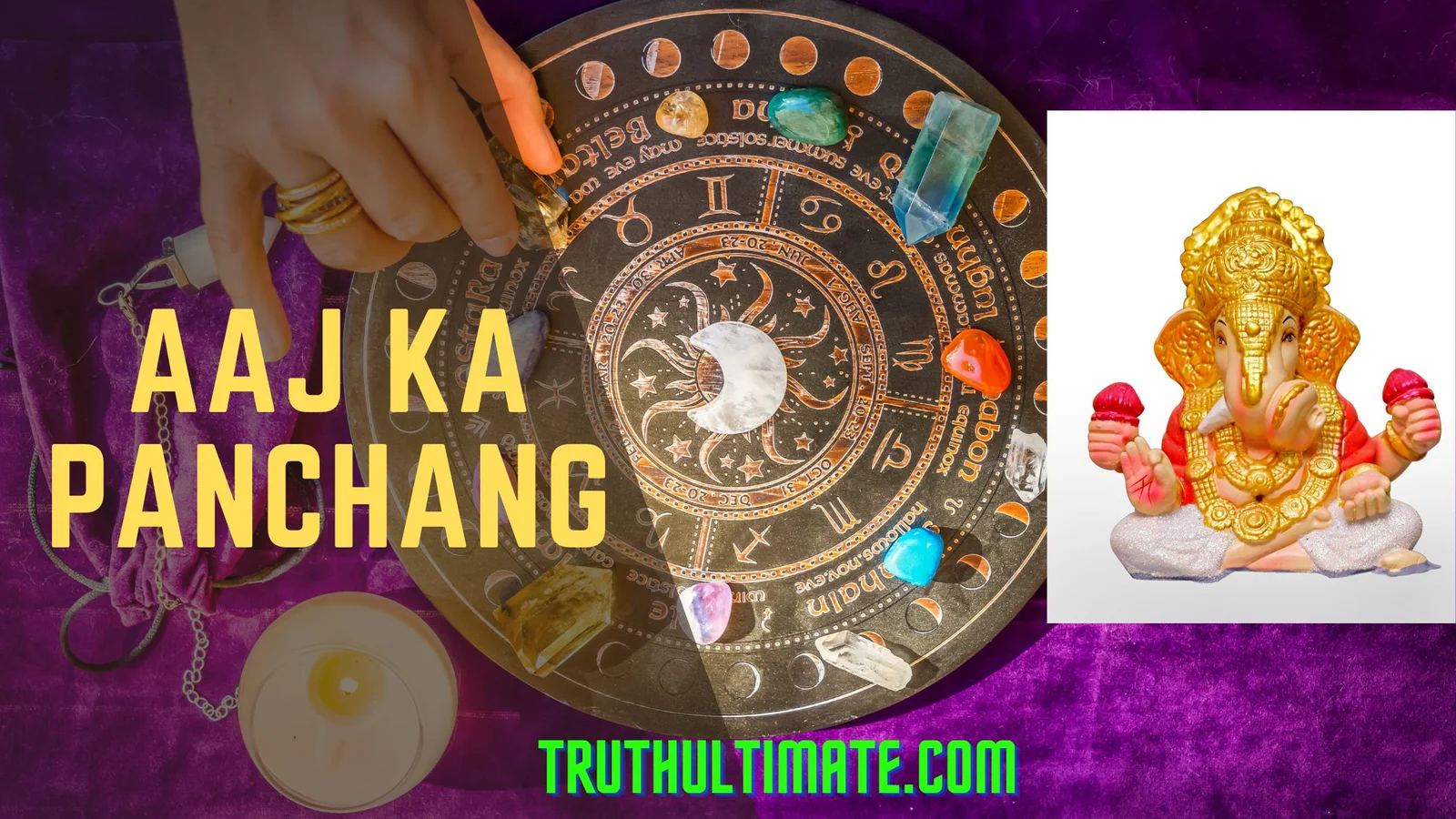
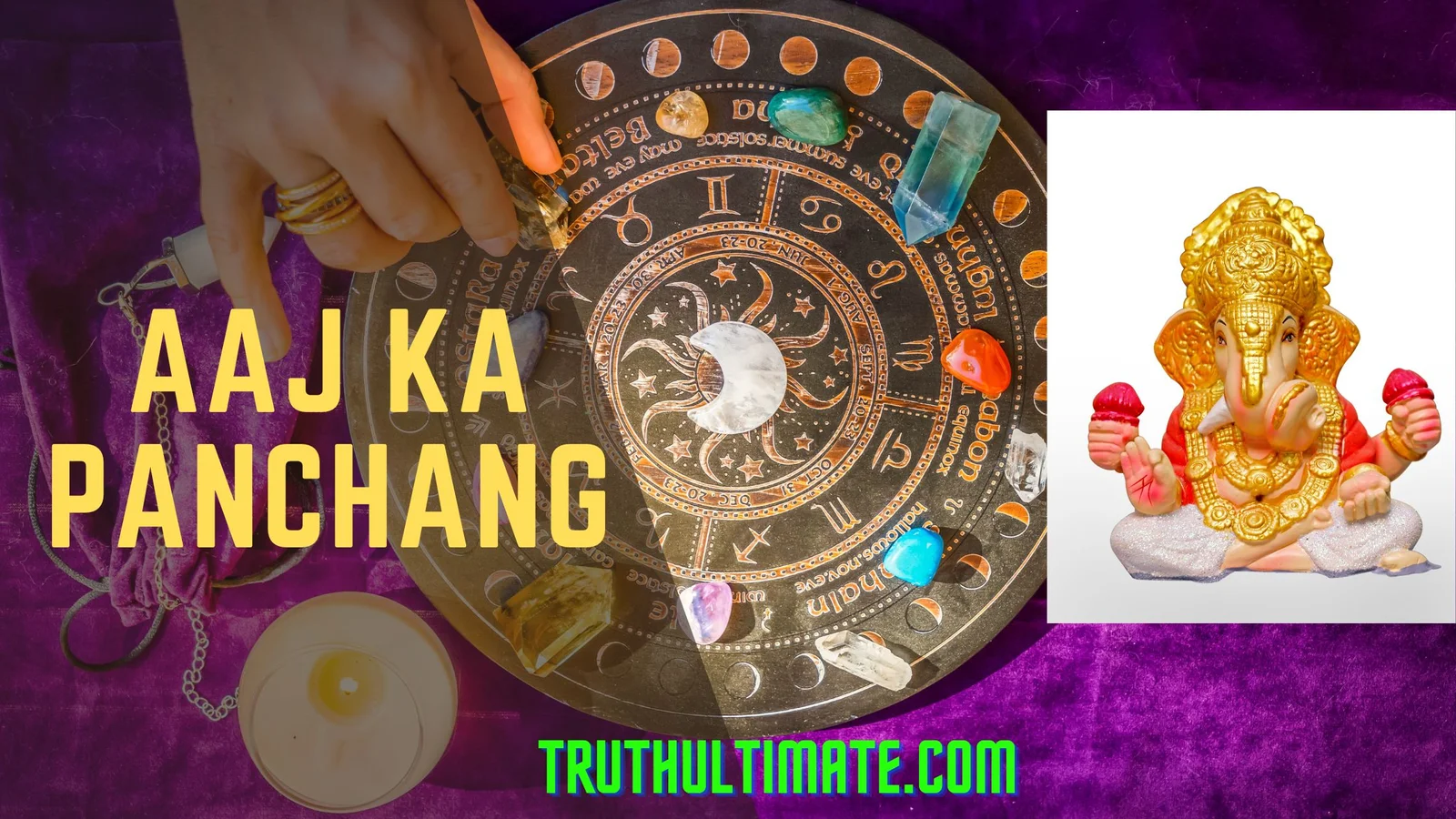
Aaj Ka Panchang, or today’s Panchang, is a vital tool in Hindu tradition, providing important information about the day’s astrological elements. It highlights key aspects such as the Tithi (lunar day), Vikram samvat date, Nakshatra (lunar mansion), and various auspicious and inauspicious timings. The relevance of this calendar can be seen in daily rituals, festivals, and significant life events like marriages or starting new ventures.
Significance of Panchang
The Panchang is not just a calendar; it serves as a comprehensive guide to the planetary influences affecting daily life. Each element of the Panchang plays a crucial role:
- Tithi: Represents the lunar day within a month.
- Nakshatra: The positioning of the moon concerning stars, which can influence personal traits and behavior.
- Yoga: A combination of the sun and moon’s positions that determines auspicious times.
- Karan: A subdivision of Tithi, indicating specific activities suitable for the day.
Today’s Panchang Highlights
As of today, the Panchang offers detailed insights into the auspicious and inauspicious times for various activities. For example, it might mark certain hours as ‘Shubh’ or favorable for beginning new endeavors or performing rituals, while others are indicated as ‘Ashubh’ or less ideal.
Today’s Tithi might be Navami (the ninth day of the lunar month), which is known to be favorable for various religious observances. The Nakshatra of the day could also hint at various qualities that can be leveraged in personal interactions or decision-making.
Conclusion and Importance for Readers
For Hindus, referring to Aaj Ka Panchang is crucial for aligning daily activities with favorable astrological positions. Whether you are planning a wedding, starting a business, or simply want to perform daily prayers at the right time, knowing the Panchang helps guide your decisions in a culturally significant way. As we adapt to modern approaches, integrating daily insights from the Panchang can enhance not only spiritual practices but also overall well-being. For the future, we can expect the use of digital Panchangs to grow, making these insights more accessible globally, further solidifying the connection between tradition and modernity.