Introduction
Alexei Navalny, a prominent Russian opposition leader and anti-corruption activist, has become a symbol of resistance against the authoritarian regime of Vladimir Putin. His activism and courage in standing up for democracy have captured international attention, making him a key figure in the ongoing political struggles within Russia. As the global community continues to call for political reforms in Russia, Navalny’s situation remains critical.
Background and Recent Events
Navalny, who rose to prominence as a fierce critic of the Russian government, gained international notoriety after surviving a poisoning attempt in August 2020, which many attribute to Kremlin operatives. After recovering in Germany, he made a bold return to Russia in January 2021, where he was immediately detained and subsequently sentenced to prison on charges widely considered politically motivated.
In recent months, Navalny’s condition in prison has raised alarms among his supporters and human rights organizations. Reports indicate that he has faced harsh treatment, including solitary confinement and denial of adequate medical care. These actions have drawn widespread condemnation from various human rights advocates and foreign governments, calling for his immediate release and better treatment.
International Response
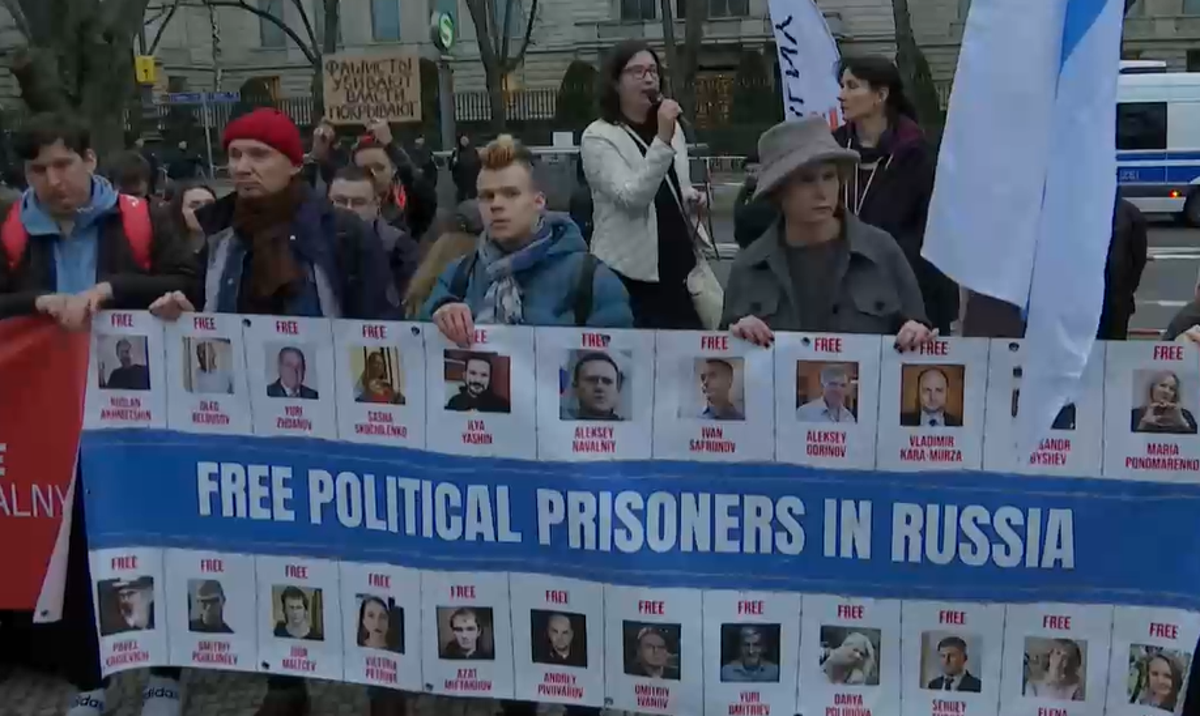
The international community has stepped up its calls for action in light of Navalny’s imprisonment. Numerous countries have imposed sanctions against Russian officials linked to the suppression of dissent and the ongoing human rights abuses. In parallel, demonstrations in support of Navalny continue to occur globally, highlighting the widespread discontent with Putin’s governance.
Significance for Readers
Navalny’s plight underscores the broader issues of democracy and human rights in Russia, resonating with global audiences who advocate for freedom and justice. His case illustrates the risks faced by dissidents in authoritarian regimes, serving as a reminder of the importance of supporting democratic movements around the world. As Navalny’s situation unfolds, it remains crucial for those concerned about human rights to remain engaged and advocate for change.
Conclusion
As the political climate in Russia continues to evolve, Alexei Navalny’s fate will likely influence not only the future of opposition movements within the country but also the West’s relationship with Russia. With ongoing international pressure, predictions about the potential for political reform remain cautious but hopeful, as many watch closely for any signs of change in the Russian political landscape.