Introduction
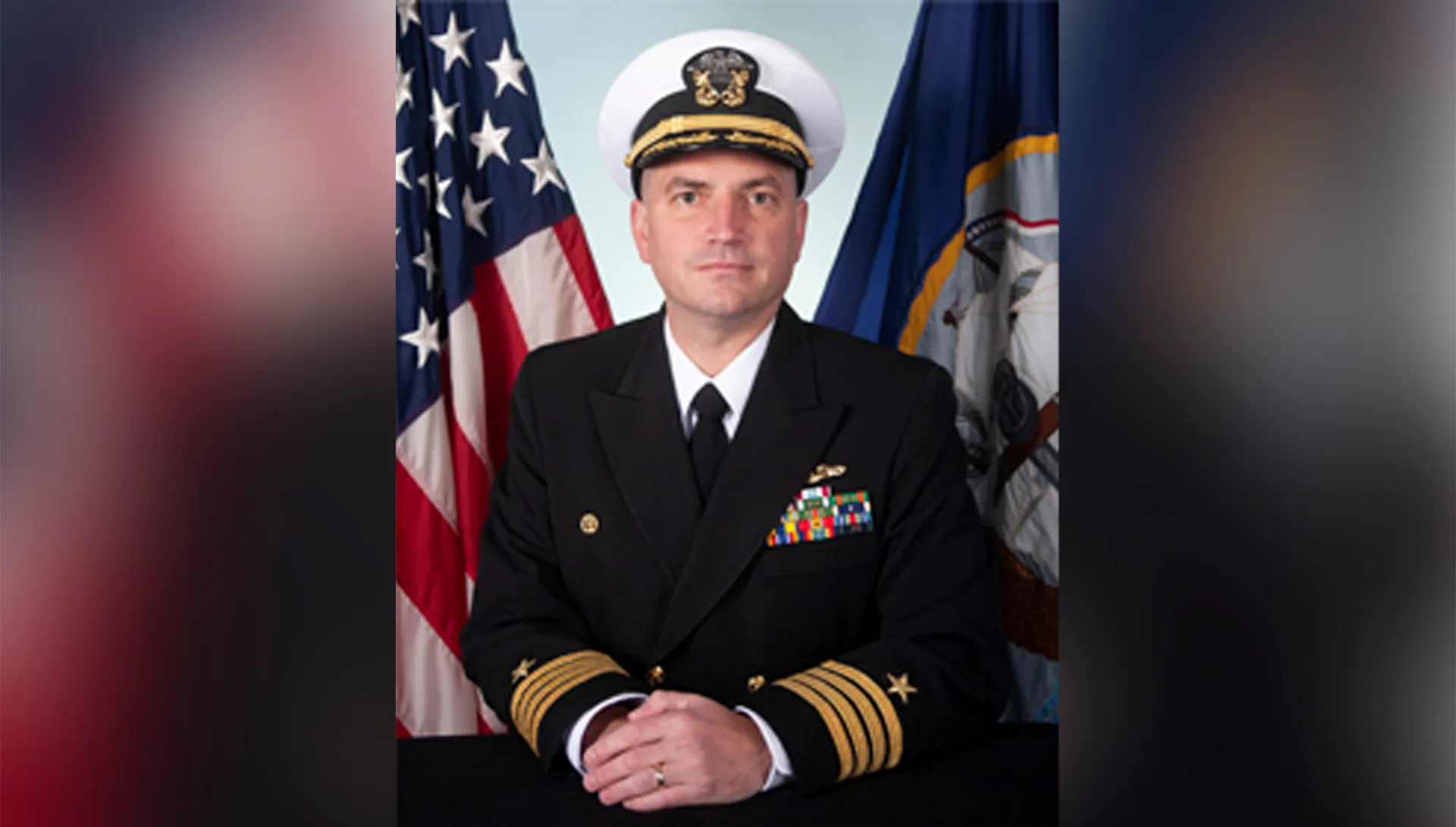
The recent dismissal of the USS Mason’s commander has raised eyebrows within the naval community and beyond. This event highlights ongoing concerns regarding leadership, accountability, and operational effectiveness in the U.S. Navy, especially in light of heightened global maritime tensions.
Details of the Dismissal
The commander of the USS Mason, part of the Arleigh Burke-class destroyers, was relieved of duty on October 1, 2023, by Navy officials. While the specifics of the circumstances leading to the termination have not been publicly disclosed, it has been confirmed that the decision was made after a thorough investigation into the commander’s conduct and performance.
The USS Mason, known for its role in vaccination missions and maritime security, has been a significant asset for the Navy. Its operational readiness is critical in ensuring U.S. interests in volatile regions. The decision to remove its commander reflects a stern approach by naval leadership in maintaining high standards and accountability.
Impact on Navy Operations
The firing of a commanding officer is not a decision taken lightly, and it signals the Navy’s commitment to rectify any issues that may compromise mission success or crew morale. Analysts suggest that this incident may have broader implications, particularly regarding leadership training and selection processes within the Navy.
In light of global maritime threats, particularly from nations like China and Russia, effective leadership on naval vessels is essential. The maintenance of operational integrity is paramount, and any leadership failures could impact strategic military readiness. The Navy may initiate additional reviews of current command practices to prevent similar issues in the future.
Conclusion
The firing of the USS Mason’s commander is a significant event that underscores the Navy’s commitment to accountability and excellence in leadership. As the U.S. continues to navigate complex international waters, the importance of effective command structures cannot be understated. Future Navy operations will likely be scrutinized more closely, and this incident may lead to adjustments in training and oversight regulations moving forward. The Navy’s proactive measures are essential to ensure that such leadership discrepancies do not hinder mission success in an increasingly uncertain global environment.