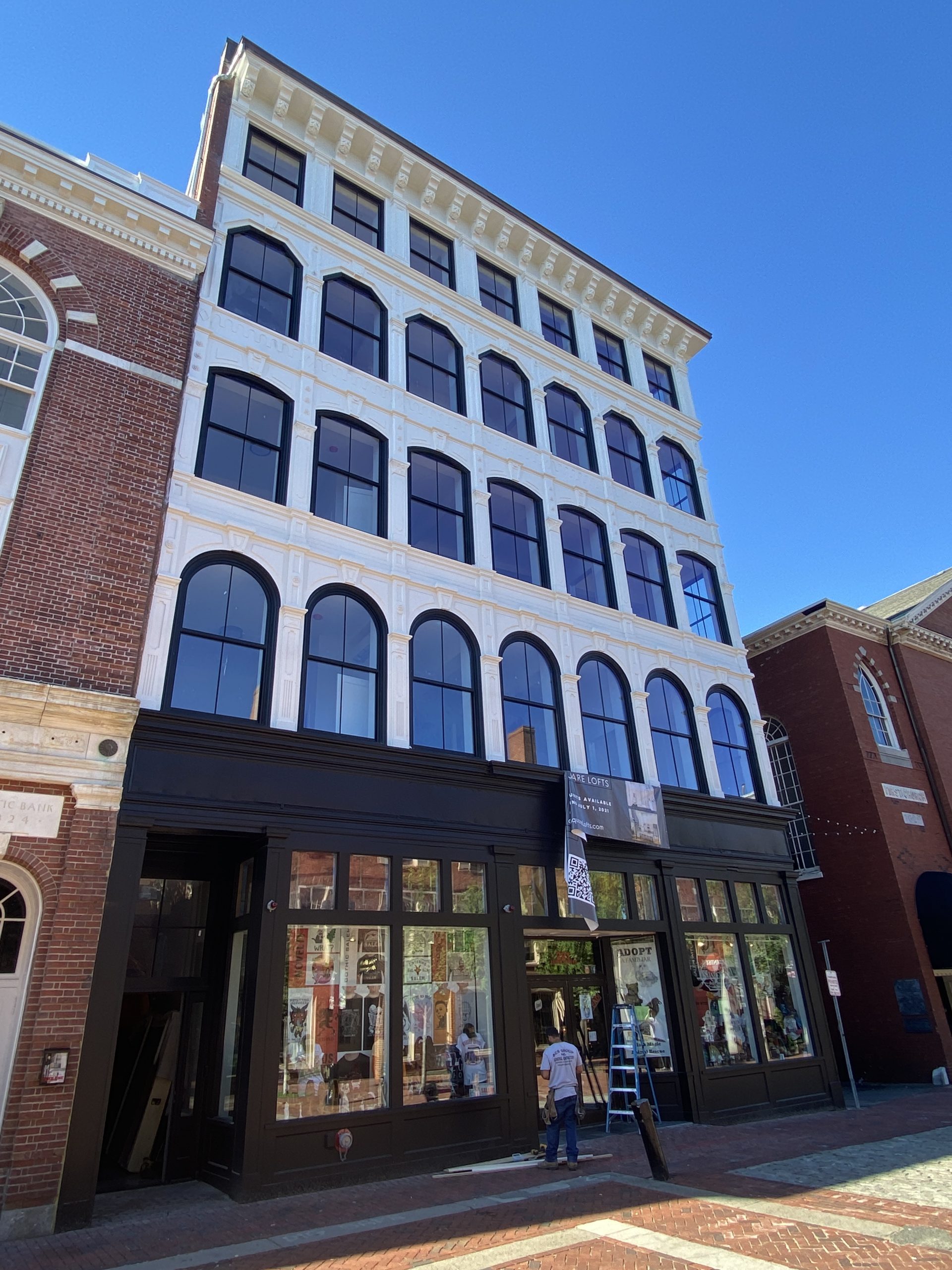
Introduction to Salem
Salem, Massachusetts, is a city steeped in history, renowned for its pivotal role in America’s colonial past and the infamous witch trials of 1692. The city’s significance extends beyond this dark chapter, showcasing a legacy of maritime commerce, literature, and arts. Understanding Salem today is not only about its historical events but also the city’s vibrant culture and modern-day attractions, making it a relevant topic for residents and visitors alike.
Salem’s Historical Context
Founded in 1626, Salem has played an integral role in the development of the American Northeast. The city thrived in the 18th and early 19th centuries as a trading hub, leveraging its deep-water port to engage in international trade. This era contributed to its architectural heritage, with many historic buildings still standing today, such as the Custom House and the House of the Seven Gables, which is notable for its association with Nathaniel Hawthorne.
The Salem Witch Trials remain the most notorious part of its history. In 1692, a series of hearings and prosecutions led to the execution of 20 individuals, mostly women, accused of witchcraft. The trials have not only shaped Salem’s identity but continue to attract scholars and tourists interested in the complexities of justice and community fear.
Current Events and Modern Attractions
Today, Salem has reinvented itself as a thriving tourist destination, especially popular during the Halloween season when it transforms into a hub for witches, ghost stories, and supernatural lore. The city is home to numerous attractions, including the Salem Witch Museum, the Peabody Essex Museum, and a variety of historical reenactments that bring its storied past to life.
Recent initiatives in Salem focus on sustainable tourism and community engagement, emphasizing the importance of preserving its historical sites while fostering a lively urban atmosphere. Local events, such as the Salem Arts Festival and the Haunted Happenings, celebrate the city’s creative spirit and history, ensuring it remains relevant in contemporary society.
Conclusion: Salem’s Significance Today
As Salem approaches its future, balancing its rich history with modern development remains crucial. It serves as a case study in the complexities of heritage tourism, showcasing how a city can honor its past while adapting to modern circumstances. The significance of Salem extends beyond its historical events; it is a living testament to resilience, community, and cultural richness. Readers interested in history, culture, and tourism will find that Salem offers lessons and experiences that resonate well beyond its borders.