Introduction
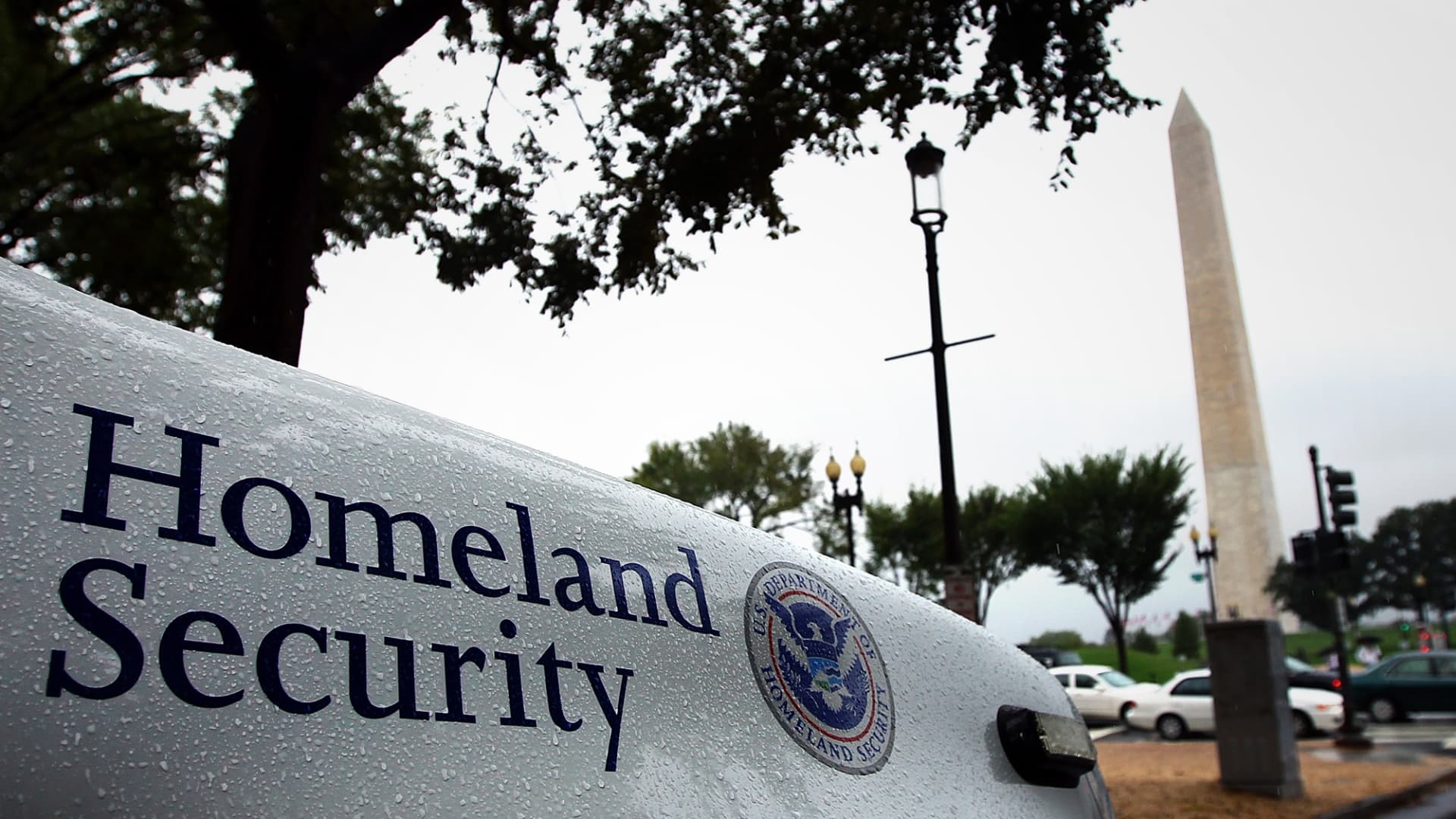
The Department of Homeland Security (DHS) plays a crucial role in protecting the United States from a variety of threats, including terrorism, cyber attacks, and natural disasters. As discussions around budget appropriations take center stage, the looming threat of a DHS shutdown has surfaced, raising concerns about the safety and security of the nation. This article delves into the potential implications if the DHS were to face a shutdown and what it could mean for citizens and the government.
Current Situation
As of late September 2023, Congress is grappling with a budget impasse that could lead to a government shutdown. Recent negotiations have highlighted partisan divisions, particularly concerning funding for immigration enforcement and disaster response. With DHS responsible for vital operations such as border security and cybersecurity, a shutdown could interrupt essential services that are crucial for public safety.
Potential Implications of an DHS Shutdown
If the DHS were to shutter its doors temporarily, several immediate impacts would be felt. Border patrol agents could face furloughs, leaving borders more vulnerable. In addition, cybersecurity initiatives aimed at protecting critical infrastructure may be compromised, heightening the risk of cyber threats. Similarly, various emergency management programs could stall, hampering disaster preparedness and response efforts.
Citizens relying on various DHS services, such as FEMA, could also see delays in assistance, effectively limiting support for those affected by natural disasters, which have become increasingly frequent. Moreover, training and hiring for new staff within critical areas may be halted, further straining resources.
Historical Context
Historically, government shutdowns have occurred when Congress fails to agree on budgetary matters. The last major shutdown in December 2018 lasted 35 days and caused similar disruptions in federal services. The consequences were felt widely, including long wait times for those traveling and interrupted services that many citizens depend on. Learning from past experiences, policymakers understand that keeping the DHS fully operational is vital to national security.
Conclusion
The possibility of a DHS shutdown remains a significant concern as discussions continue in Washington. Forecasts suggest that if an agreement is not reached, the implications could be severe not only for national security but for public confidence in the government’s ability to protect its citizens. As the deadline approaches, the impact of a shutdown could underscore the necessity for bipartisan cooperation on budgetary issues. Citizens should stay informed about the developments as they unfold, recognizing the critical nature of DHS operations in their daily lives.