Introduction
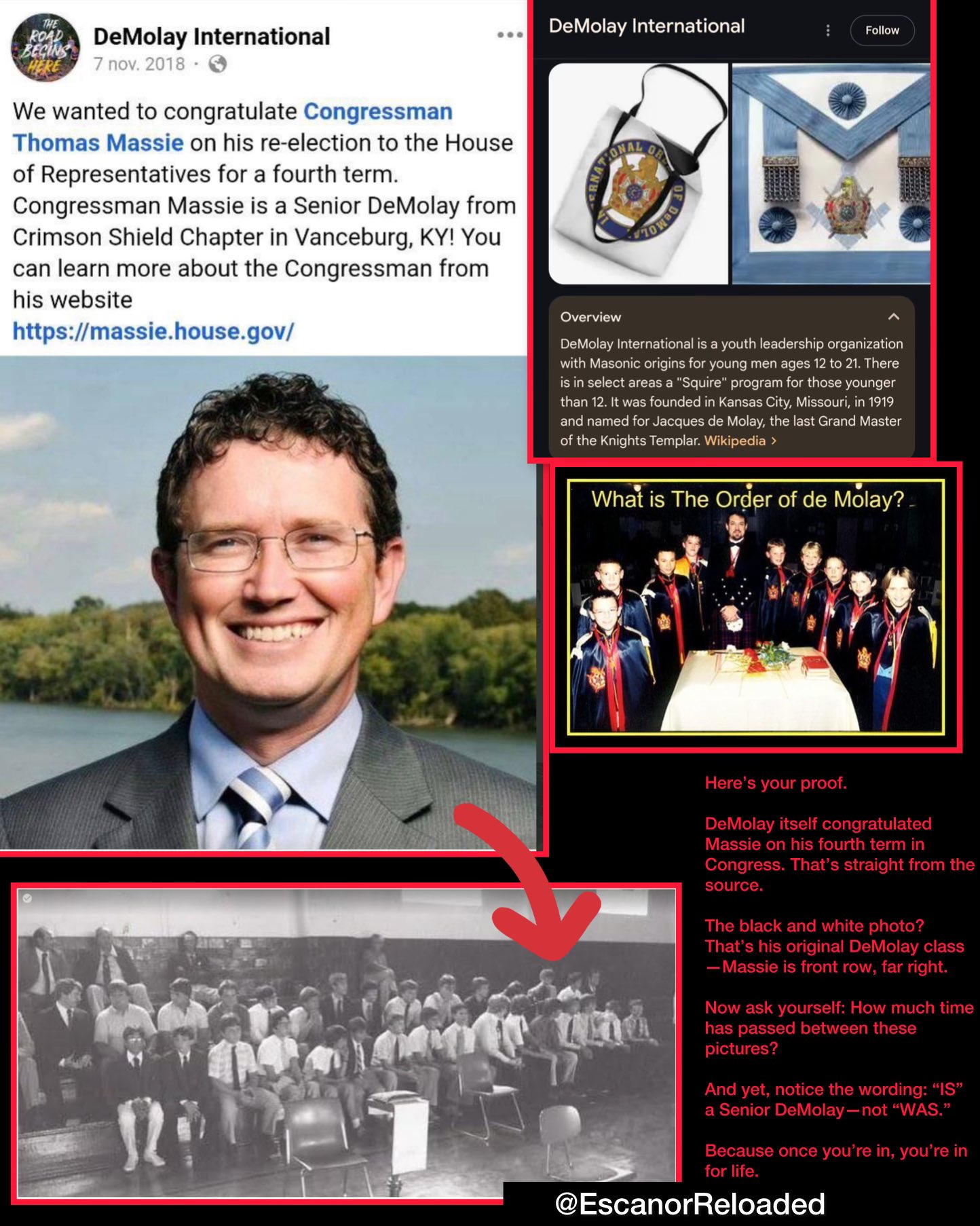
Thomas Massie, a Republican Congressman from Kentucky’s 4th district, is a prominent figure in American politics, known for his firm libertarian principles and a critical stance on government spending. Elected to the House of Representatives in 2012, Massie has gained distinction for his commitment to individual liberties, limited government, and fiscal responsibility. As the political landscape continues to evolve, understanding Massie’s influence and legislative priorities is crucial for voters and policymakers alike.
Political Career and Achievements
Massie was born on January 13, 1971, in Huntington, West Virginia, and raised in a family that valued independence and entrepreneurship. After graduating from MIT with a degree in Electrical Engineering, he established a successful business before turning to politics.
In Congress, Massie has built a reputation as a staunch advocate for smaller government. He is known for voting against spending bills that he deems fiscally irresponsible. For instance, Massie was one of only a few members to vote against the $1.9 trillion COVID-19 relief package passed in early 2021, arguing it would exacerbate the national debt.
Beyond fiscal conservatism, Massie is also a strong defender of the Second Amendment rights. He has been actively involved in efforts to promote gun rights legislation, often participating in rallies and discussions surrounding firearm ownership.
Recent Developments
In recent months, Thomas Massie has also made headlines for his outspoken criticism of federal mandates regarding COVID-19. During debates, he has challenged not only the efficacy of such mandates but also their constitutional basis, garnering both supporters and detractors.
Massie’s role has been further emphasized as he continues to align with and support the libertarian wing of the Republican Party. His influence is palpable, as his voice resonates with constituents who advocate for personal freedoms and minimal government intervention.
Conclusion
As the midterm elections approach, Thomas Massie’s positions will likely play a vital role in shaping conversations about governance, individual rights, and fiscal responsibility. His steadfast commitment to libertarian principles presents both opportunities and challenges for the GOP, highlighting a growing sector of the party that seeks to recalibrate its focus. Understanding Massie’s contributions is essential for voters who prioritize liberty and limited government. His actions in Congress will continue to be scrutinized as he navigates the political landscape, representing a significant voice in the contemporary discussion of American governance.