Introduction
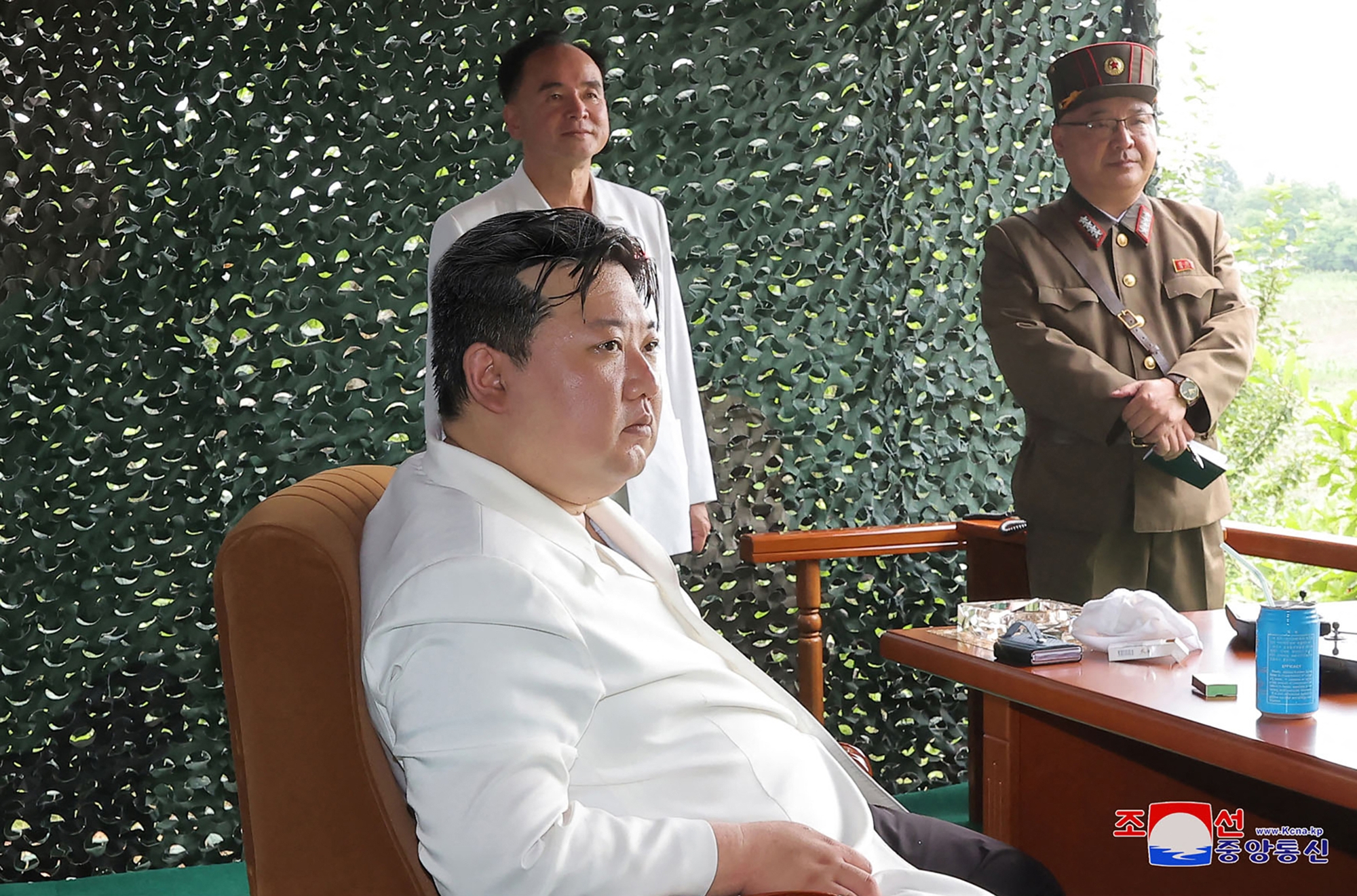
Kim Jong Un, the Supreme Leader of North Korea, continues to be a pivotal figure in global politics. His leadership, marked by nuclear ambitions and ongoing power struggles, garners international attention as world leaders address concerns about security and stability in the region. Given the fluctuating dynamics of North Korea, understanding Kim Jong Un’s recent activities is crucial for analyzing future geopolitical landscapes.
Recent Events
In the past few months, North Korea has been in the spotlight due to a series of missile tests, which are viewed as provocations by the international community. Most recently, Kim Jong Un oversaw the launch of multiple short-range ballistic missiles, asserting the country’s military capabilities. These tests have drawn widespread condemnation, particularly from the United States and its allies.
Moreover, reports from state media in North Korea reveal that Kim is directing focused efforts toward technological advancements in weapons production. This includes domestic manufacture of drones, which could significantly enhance North Korea’s surveillance and attack capabilities. The regime’s focus on self-sufficiency in armament is likely a direct response to the economic sanctions imposed by the U.N. and various countries.
Leadership and Diplomacy
Despite these provocations, Kim Jong Un has made some diplomatic overtures. In recent statements, he has expressed a willingness to engage in negotiations, depending on the lifting of sanctions. These mixed signals keep analysts guessing about the actual direction of North Korea’s foreign policy. His recent meetings with Russian officials have raised eyebrows, with some experts suggesting a potential alignment with Russia in the face of Western sanctions.
Conclusion
The ongoing developments surrounding Kim Jong Un remain of paramount importance for international relations and peace in East Asia. His actions could lead to a volatile environment, which may provoke reactions from the U.S., South Korea, and Japan. The coming months will be crucial as the Biden administration grapples with how to engage North Korea while addressing its nuclear threats. Moreover, if Kim continues his missile testing and military enhancements, the risk of confrontation may increase.
In conclusion, as global powers navigate this complex situation, understanding the implications of Kim Jong Un’s leadership will be essential for predicting future events in North Korea and beyond.