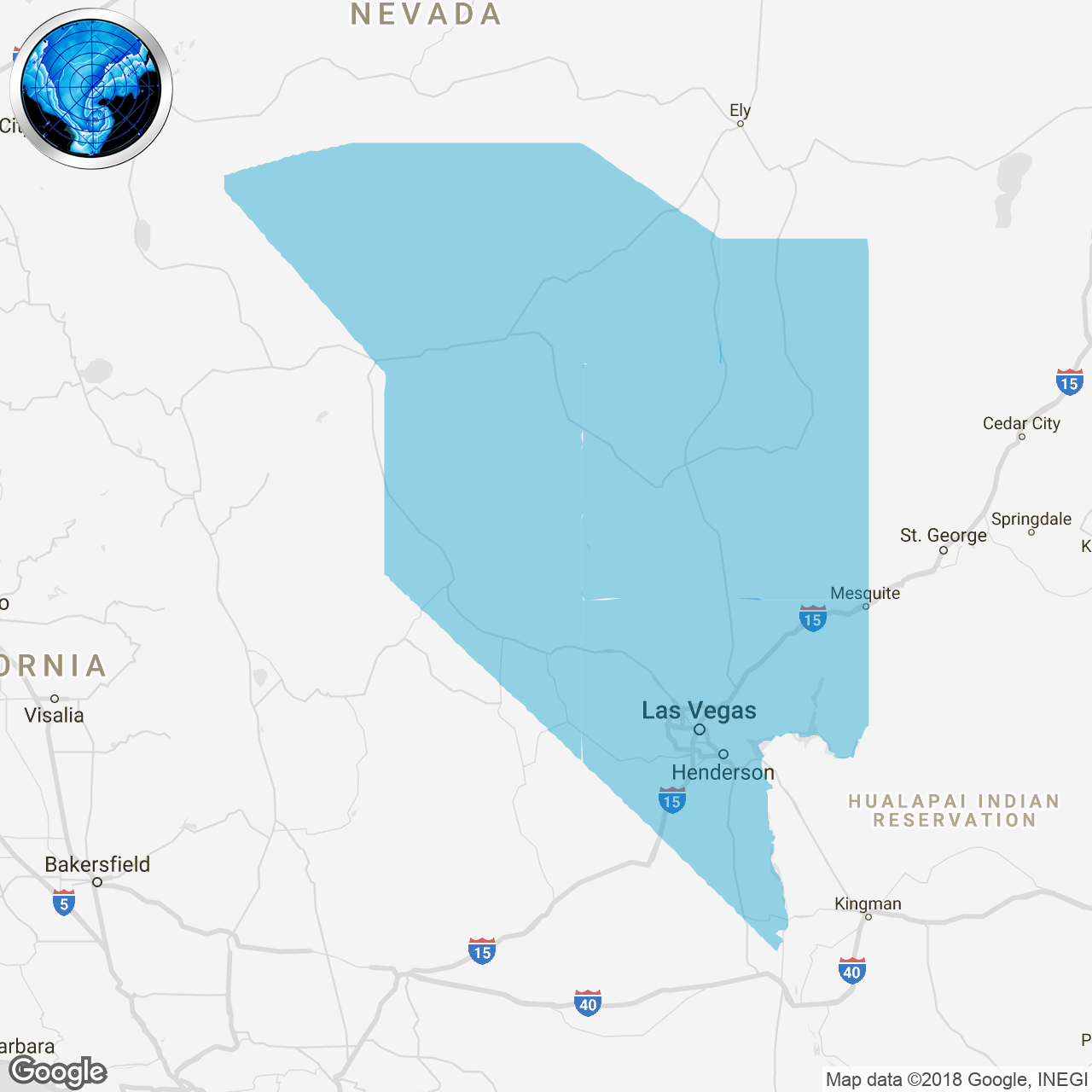
Introduction to Wind Advisories
Wind advisories are critical public safety alerts issued by the National Weather Service (NWS) to inform citizens of sustained winds or wind gusts that may pose hazards. These advisories play an important role, especially in regions prone to severe weather conditions, as strong winds can cause power outages, damage structures, and create hazardous driving conditions.
Recent Wind Advisory Events
In early October 2023, several states across the Midwest, including Iowa, Nebraska, and Kansas, experienced wind advisories due to a significant weather system moving through the region. The NWS reported gusts reaching up to 60 mph in some areas, necessitating the issuance of these alerts. This particular weather pattern led to downed trees and power lines, leaving thousands without electricity for extended periods.
Residents were advised to secure loose outdoor items, avoid driving if possible, and stay indoors during the peak of the wind event. Local emergency services also prepared for potential emergencies related to the extreme conditions, showcasing the public safety focus during such incidents.
The Significance of Following Wind Advisories
During a wind advisory, it is crucial for individuals and communities to take these alerts seriously. Ignoring warnings can lead to unforeseen accidents and injuries. The adverse effects of strong winds are not limited to outdoor environments—they can also disrupt daily activities, displace essential services, and create urgent traffic situations.
Conclusion and Preparedness
Wind advisories serve as a vital tool in emergency management and preparedness. By staying informed about weather conditions and adhering to advisories, individuals can mitigate risks to themselves and their property. As climate patterns continue to evolve, it’s expected that wind advisories may become more frequent, underscoring the importance of awareness and readiness. By understanding the implications of these alerts, communities can better prepare for the challenges posed by severe weather.