Introduction
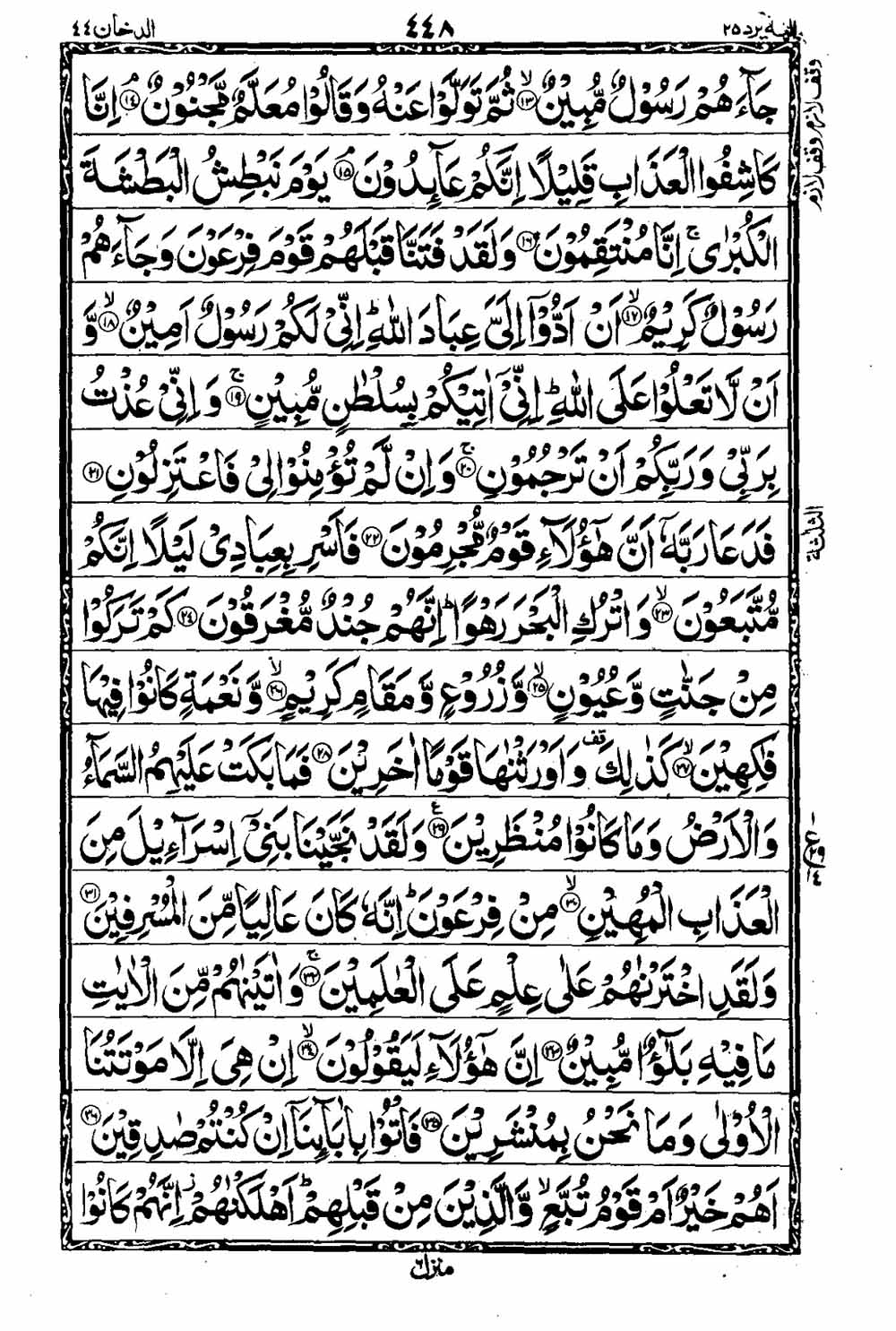
The Quran, the holy book of Islam, holds immense significance for over 1.9 billion Muslims worldwide. Recognized as the verbatim word of God as revealed to the Prophet Muhammad, it serves not only as a religious guide but also as a cultural and legal foundation for many societies. Understanding the Quran is essential for appreciating the beliefs, practices, and traditions of the Muslim faith, especially as interfaith dialogues become increasingly relevant in today’s globalized world.
The Structure and Themes of the Quran
The Quran is divided into 114 chapters, known as surahs, which vary in length and cover various aspects of life, spirituality, ethics, and law. The surahs address themes such as the oneness of God (Tawhid), the importance of prayer (Salah), charity (Zakat), and the moral and ethical guidelines for personal conduct and community living. Additionally, it emphasizes the significance of compassion, justice, and the responsibilities individuals have towards one another and the environment.
Recent Events and Engagements
In recent years, there has been a renewed focus on the Quran in various educational and cultural contexts. For example, in September 2023, several universities in the United States launched programs aimed at increasing the understanding of Islamic texts, including the Quran. This initiative seeks to foster greater religious literacy among students and promote multicultural understanding amid rising global tensions related to faith and identity.
Moreover, events such as the Quran Recitation Competitions have seen an increase in participation, showcasing the beauty of recitation and memorization. These competitions not only emphasize the artistic elements of the Quran but also create a sense of community among participants and their supporters.
The Quran’s Role in Contemporary Society
As contemporary society faces ethical dilemmas such as climate change, social justice, and human rights, the teachings of the Quran are often invoked to address these issues. Muslim activists and scholars frequently reference Quranic principles to advocate for sustainable practices and equity. This growing trend highlights the Quran’s relevance in discussions surrounding modern challenges, demonstrating that its teachings are not only historical but also applicable to present-day scenarios.
Conclusion
Overall, the Quran remains a pivotal text that influences millions of lives globally. Understanding its content and significance can bridge gaps between cultures, enabling a more harmonious coexistence. As society continues to evolve, the teachings of the Quran will likely play a critical role in shaping dialogues around ethics, social responsibility, and community engagement in a diverse world.