Introduction
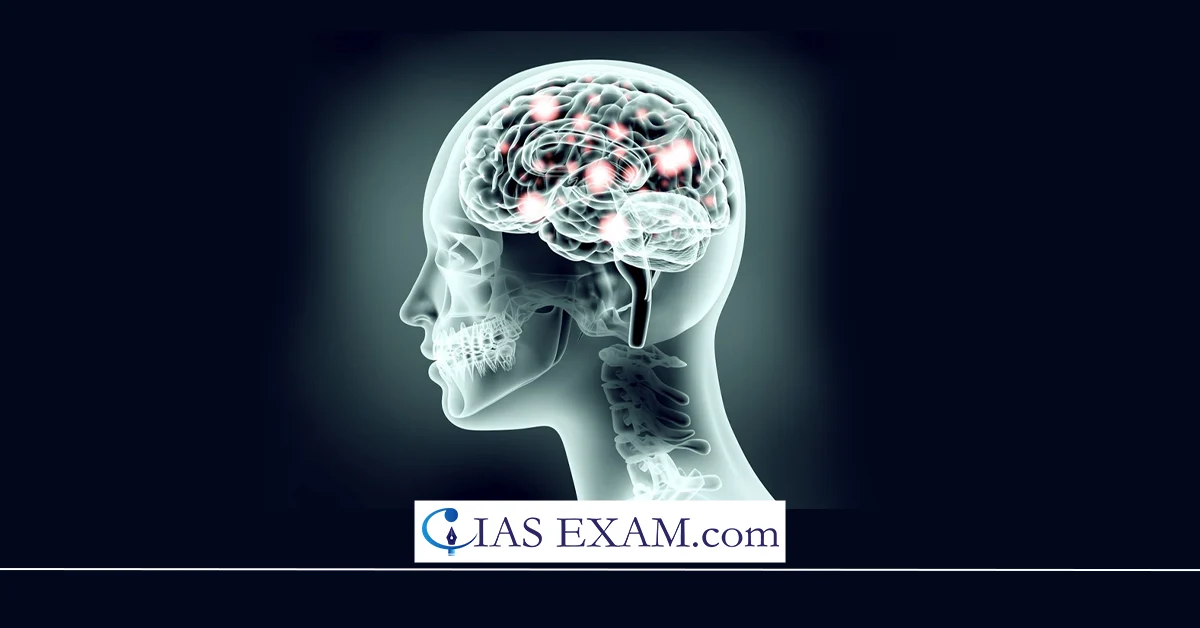
Havana Syndrome, a set of perplexing medical symptoms first reported by U.S. diplomats in Cuba in 2016, has captured global attention due to its unprecedented nature and potential implications for national security. Understanding this syndrome is crucial, not only for the health and safety of affected individuals but also for international relations, as credible fears surround the possible use of advanced weaponry or covert attacks against U.S. personnel abroad.
Details of the Syndrome
Reports of Havana Syndrome describe a range of symptoms, including headaches, dizziness, cognitive difficulties, and hearing strange sounds. Initial cases emerged among diplomats stationed in Havana, Cuba, leading to intense scrutiny about the nature and origin of these symptoms. Since then, reports have surfaced from various locations, including China, Russia, and a number of countries, raising alarms among officials about potential targeted attacks.
In 2021, the Biden administration allocated funds to investigate the syndrome further, reflecting a heightened commitment to uncovering the truth behind these incidents. Recently, a multi-agency task force was formed, comprising the CIA, State Department, and the Centers for Disease Control and Prevention (CDC), to examine the medical and psychological impacts of the syndrome. Various theories have emerged; some suggest microwave radiation exposure while others speculate about sonic weapons or mass psychogenic illnesses following widespread anxiety among diplomats and their families.
Latest Developments
In an effort to support those affected, the federal government has been working on providing comprehensive medical care for diplomats who report such symptoms. Reports indicate that over 200 U.S. personnel and their families have filed cases related to Havana Syndrome. This rising number has opened discussions about preventative measures and greater protective protocols for diplomats and government employees in potentially dangerous postings.
Conclusion
The ongoing investigation into Havana Syndrome represents a significant intersection between health, science, and international politics. The potential implications of these occurrences could redefine how the U.S. approaches diplomatic security and personnel health in the future. As research continues, further understanding of Havana Syndrome will be vital for ensuring the safety of individuals and maintaining diplomatic relations. This mystery looms large, and global cooperation may be necessary to fully unravel it.