Introduction
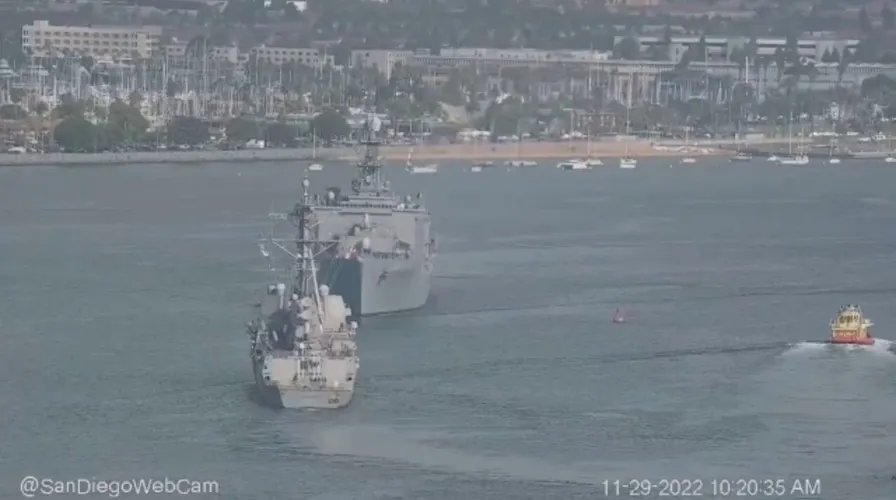
The safety and operational integrity of naval vessels are crucial for national defense and maritime security. Recently, incidents involving collisions of US Navy ships have raised significant concerns regarding navigation protocols, crew training, and equipment reliability. These incidents not only threaten the safety of naval personnel but also destabilize maritime operations in vital regions.
Recent Incidents
In the past six months, there have been notable collisions involving US Navy ships, prompting investigations and policy reviews. In February 2023, the USS Chancellorsville collided with a civilian merchant vessel during sensor testing in the South China Sea. The USS Fitzgerald had a similar fate in June 2017, when it collided with a container ship off the coast of Japan, resulting in the deaths of seven sailors.
According to the Navy’s 2023 report, operational mistakes and human errors were predominantly identified as primary factors behind these incidents. The report further emphasized the need for improved navigation systems and enhanced training programs for crew members to prevent future occurrences.
Contributing Factors
Experts suggest several contributing factors to these collisions. Firstly, increased naval activity in heavily trafficked waters, particularly in regions like the South China Sea, raises the risk of accidents. Secondly, technical malfunctions with navigation equipment and failure to adhere to established protocols by crew members cannot be overlooked. Furthermore, the high operational tempo and demanding deployments can lead to fatigue among sailors, which increases the potential for errors.
Conclusion
The recent collisions involving US Navy ships underline the urgent need for reforms in naval operations. The Navy is committed to investigating these incidents thoroughly and implementing corrective measures to ensure the safety of its fleet. As naval operations become more complex amidst competing maritime interests, enhancing training and upgrading navigation technology will be crucial. The public and military personnel alike are keenly interested in the Navy’s actions to bolster maritime safety and prevent such collisions from recurring in the future.