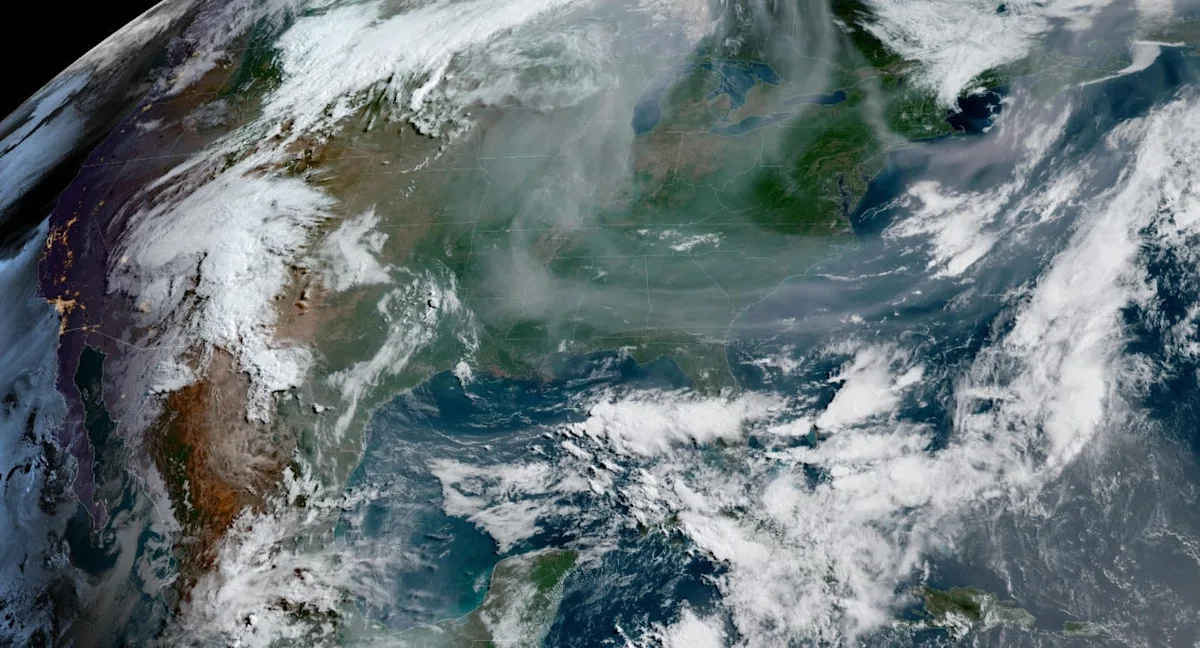
Understanding Air Quality
Air quality remains a pivotal topic as it directly influences human health and overall quality of life. On days when the air quality is bad, it can lead to a range of health issues, especially for vulnerable populations like children and the elderly. Analyzing the reasons behind degraded air quality helps in taking timely actions for improvement.
Current Factors Affecting Air Quality
As of today, several factors contribute to the decline in air quality across many regions. A primary cause is the increased levels of particulate matter (PM2.5 and PM10) in the atmosphere, often exacerbated by wildfires, industrial emissions, and vehicular exhaust.
In recent weeks, the U.S. has experienced a dramatic rise in wildfire activity, particularly in the western states. Smoke from these fires can significantly deteriorate air quality, leading to health advisories being issued. According to the Environmental Protection Agency (EPA), “Wildfire smoke can contain a selection of harmful pollutants including carbon monoxide, volatile organic compounds, and particulate matter.”
Additionally, stagnant weather patterns can trap pollutants close to the ground, preventing their dispersion. For example, during temperature inversions, warm air traps cooler air at the surface, leading to an accumulation of pollutants in urban areas. A recent report from the Weather Channel indicated that such conditions were present over various metropolitan areas, leading to heightened air quality alerts.
Impact on Health and Environment
The air quality index (AQI) has reported unhealthy levels in multiple regions today, which can provoke serious health concerns. Poor air quality can lead to respiratory problems such as asthma attacks and decreased lung function. The World Health Organization warns that long-term exposure to polluted air can also increase the risk of cardiovascular diseases.
Environmentally, decreased air quality can harm ecosystems, damage vegetation, and contribute to climate change. Prolonged exposure can lead to acid rain, which negatively impacts soil and water resources.
Conclusion and Outlook
The degradation of air quality today serves as a reminder of the pressing environmental issues that face urban areas and natural habitats alike. Experts urge individuals to stay informed about air quality updates and limit outdoor activities, especially those that involve physical exertion.
Looking ahead, it is essential for policymakers to implement stricter regulations on emissions and promote cleaner energy sources. Ultimately, awareness and proactive measures can help mitigate the impacts of poor air quality and foster healthier communities.