Introduction
The 25th Amendment to the United States Constitution, ratified in 1967, addresses presidential succession and disability. Its significance has come into sharper focus in recent years, as discussions surrounding the amendment have intensified during periods of political upheaval and concerns over the health and capability of elected officials.
Historical Context
The need for a clear process regarding presidential succession became apparent following the assassination of President John F. Kennedy in 1963. The amendment establishes procedures for the transfer of presidential power in cases of incapacity and the filling of a vacancy in the vice presidency. The amendment is divided into four sections, detailing scenarios such as the president’s inability to perform their duties and the process for a vice president to assume the presidency temporarily or permanently.
Key Provisions
Section 1 of the amendment clarifies that the vice president will assume the presidency in the event of a president’s removal, death, or resignation. Section 2 outlines how a vacancy in the vice presidency can be filled by presidential appointment, subject to confirmation by both houses of Congress. Section 3 provides the president a mechanism to voluntarily transfer power to the vice president by providing a written declaration, which can be rescinded. Section 4, however, is often viewed as the most contentious, allowing for Congress to temporarily transfer power if the president is unable to discharge their duties but does not voluntarily declare their incapacity.
Recent Applications and Discussions
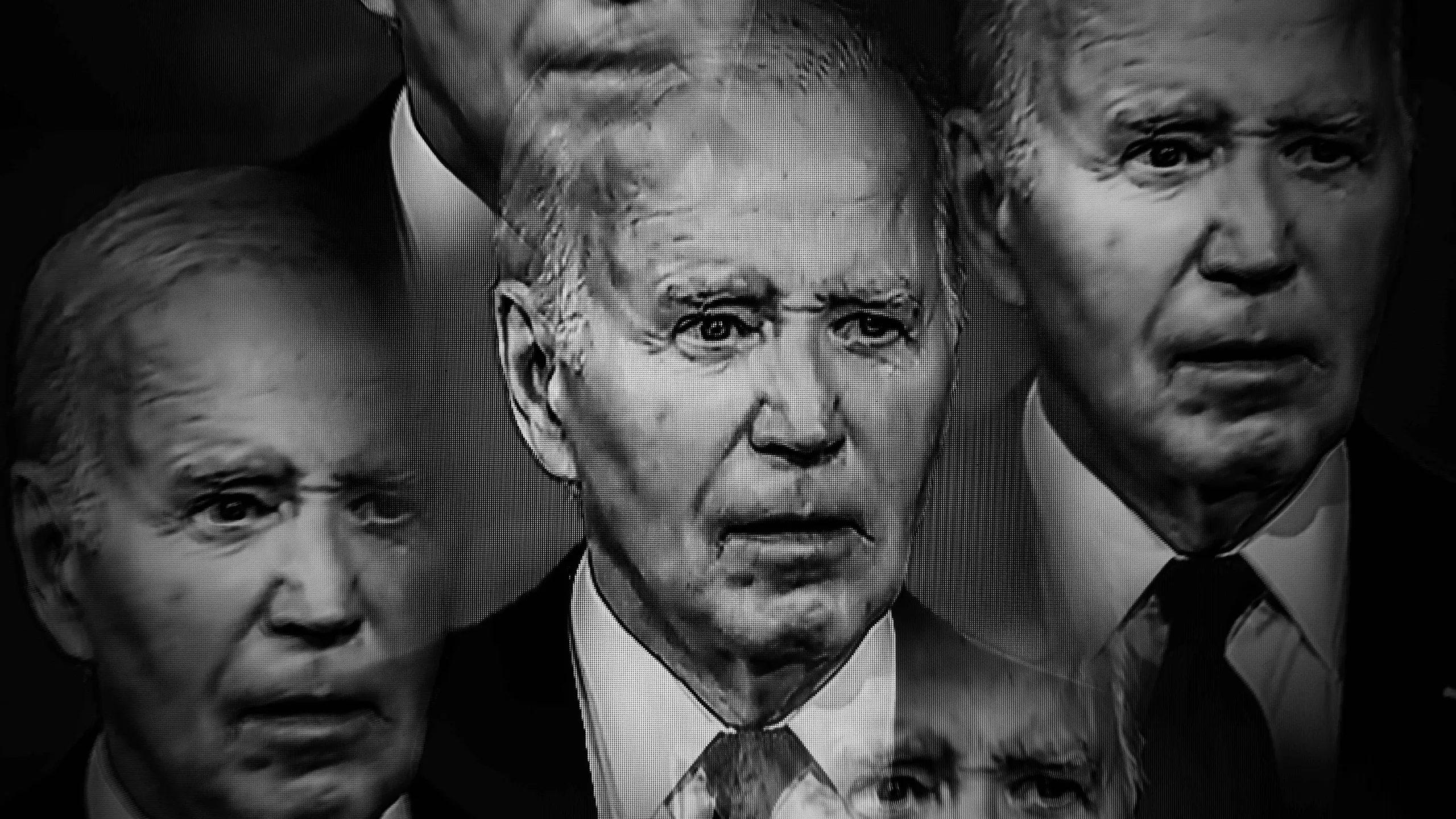
In recent political discourse, the 25th Amendment has emerged as a focal point during discussions about presidential health and decision-making capabilities, especially during the COVID-19 pandemic and the preceding presidential elections. Examples of both former President Donald Trump and current President Joe Biden have seen calls from various political figures to utilize the amendment, raising awareness about its intricacies and implications. The amendment serves as both a constitutional safeguard and a political tool, showcasing the delicate balance necessary to ensure a functioning government during crises.
Conclusion
As the United States continues to navigate complex political landscapes, the 25th Amendment remains a crucial component in addressing the potential shortcomings in presidential leadership. Understanding its provisions is essential for citizens and lawmakers alike as it clarifies the processes that ensure continuity and stability in the government. In the face of rising health concerns and political tensions, the significance of the 25th Amendment only grows, reminding us of the importance of constitutional frameworks in protecting democracy.