Introduction
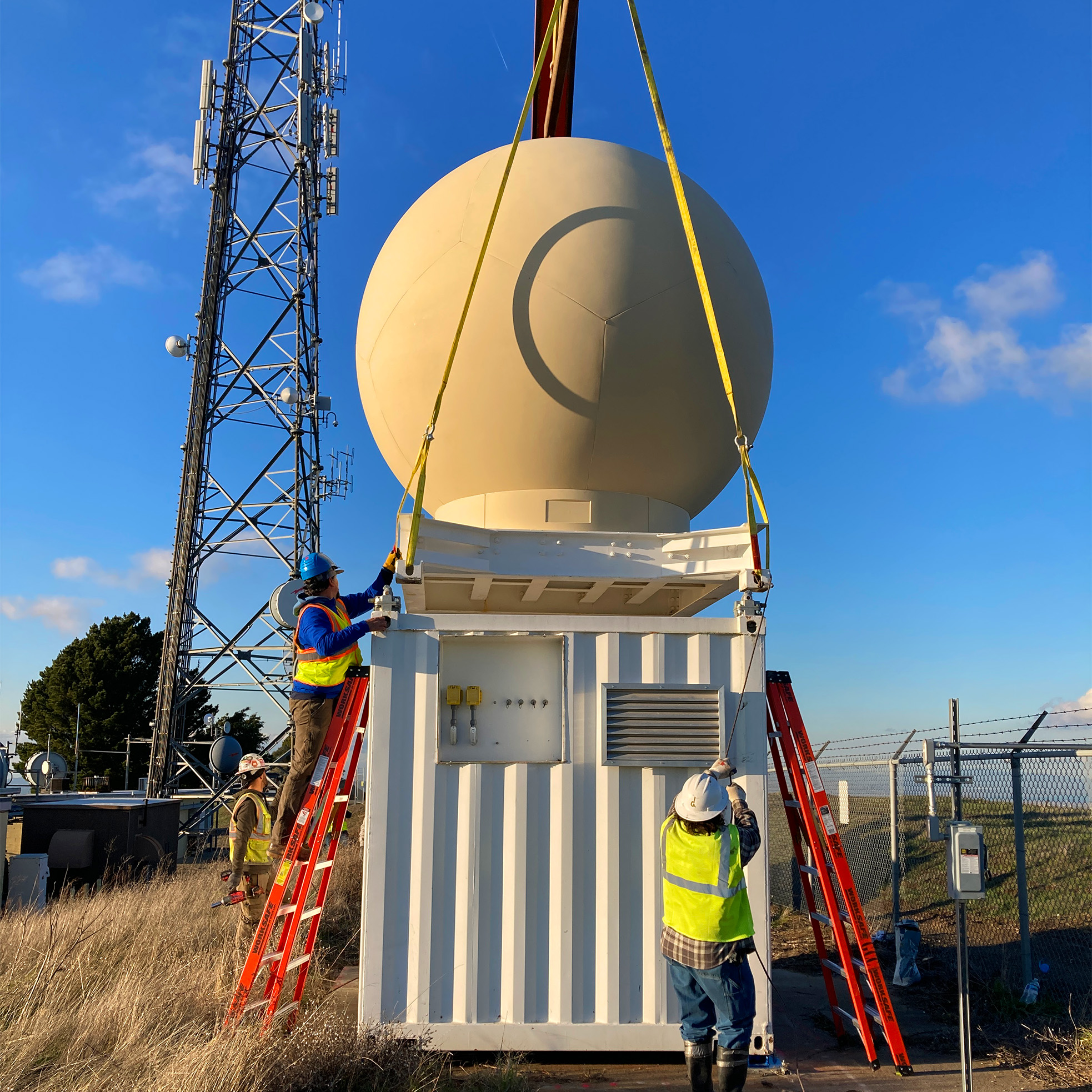
Weather radar is an essential tool used by meteorologists to monitor and predict weather conditions in real time. It provides critical data on precipitation, storm intensity, and movement, enabling timely warnings for severe weather events. With climate change leading to increased weather volatility, the relevance of weather radar technology has never been greater.
How Weather Radar Works
Weather radar functions by sending out microwave signals that bounce off precipitation particles in the atmosphere. The radar系统 then measures the time it takes for the signals to return, allowing meteorologists to determine the distance and intensity of rain or snow. Advanced Doppler radar technology can also detect wind speed and direction, providing a clearer picture of severe weather systems such as tornadoes and hurricanes.
Recent Developments in Weather Radar Technology
In recent years, we have seen significant advancements in weather radar technology. For example, dual-polarization radar, which measures both the horizontal and vertical dimensions of precipitation, has enhanced the accuracy of rainfall estimates and improved the identification of hazardous weather phenomena like hail and tornadoes. Furthermore, artificial intelligence and machine learning are being integrated into radar data analysis, leading to better forecasting models and more effective severe weather alerts.
Case Studies of Weather Radar Impact
One notable example of weather radar’s impact was during the devastating tornado outbreak in the U.S. Midwest in 2021. Early warnings generated by radar systems allowed residents in affected areas to seek shelter and prepare for the severe storms. Similarly, radar data played a crucial role in tracking hurricanes, including Hurricane Ian in 2022, helping emergency services respond swiftly to potential evacuations and resource allocations.
Conclusion
The significance of weather radar cannot be overstated; it serves as the backbone of modern meteorological practice, ensuring public safety and enabling communities to prepare for adverse weather events. As technology evolves and becomes more integrated with predictive modeling, we can expect further enhancements in the accuracy and efficiency of storm forecasting. For readers, staying informed about weather radar developments is vital, as it directly correlates to the safety and preparedness of communities against increasingly unpredictable weather conditions.