Introduction
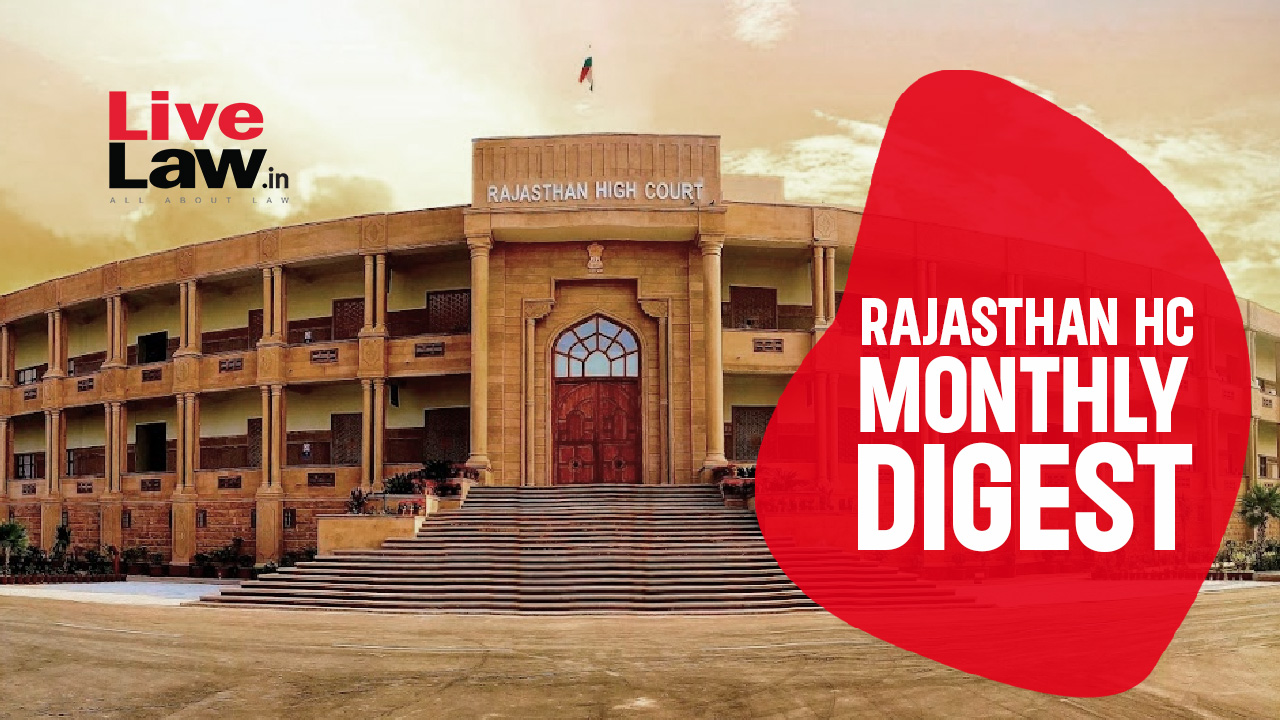
The Rajasthan High Court plays a pivotal role in interpreting laws and ensuring justice in the state of Rajasthan. Established in 1949, it stands as a crucial pillar of the Indian judiciary, addressing civil, criminal, and administrative matters. In recent months, the court has been in the news due to several high-profile rulings and its stance on pressing legal issues, underscoring its significance within the regional and national legal landscapes.
Recent Rulings and Events
One of the landmark decisions from the Rajasthan High Court recently involved a case concerning the rights of marginalized communities. In a ruling that emphasized inclusivity, the court directed the state government to implement policies that promote equality in educational opportunities for underprivileged groups. This decision has been celebrated by legal experts and social activists alike, highlighting the court’s commitment to social justice.
Another important event was the introduction of online hearings to enhance accessibility. The court has now made provisions for virtual appearances, a step prompted by the ongoing challenges of the COVID-19 pandemic. These measures aim to reduce delays in legal proceedings and ensure that justice is not hindered by physical constraints, making the judicial process more efficient.
Significance of the Court’s Decisions
The implications of the Rajasthan High Court’s decisions extend beyond the immediate cases at hand. By addressing critical issues such as educational rights and implementing modern judicial practices, the court is setting a precedent for other high courts in India. Its proactive approach has the potential to influence legislative changes at the state level, encouraging the government to revisit outdated laws and adopt more equitable practices.
Looking Ahead
As the Rajasthan High Court continues to tackle significant legal challenges, its upcoming sessions will likely focus on various socio-political issues, including land rights and environmental law. The judiciary’s responsiveness to public interest litigations will also be paramount. Legal analysts suggest that the court may further embrace technology to streamline processes, ensuring that justice remains accessible to all citizens.
Conclusion
In conclusion, the Rajasthan High Court is not just a judicial authority but an active participant in shaping the future of law and governance in Rajasthan. With a commitment to justice and reform, the court’s recent rulings reflect a progressive mindset essential for addressing today’s complex societal challenges. Observers will be keenly watching how these developments will unfold in the coming months, as they hold the promise of greater transparency and accountability within the legal system.