Introduction
The rivalry between FC Porto and Sporting CP, two of Portugal’s ‘Big Three’ football clubs, garners significant attention every season. Known as the ‘Eternal Derby’, matches between Porto and Sporting not only represent a clash of clubs but also an emblem of pride for their passionate fanbases. Understanding this rivalry is crucial for appreciating Portuguese football’s cultural and social context.
Recent Encounters
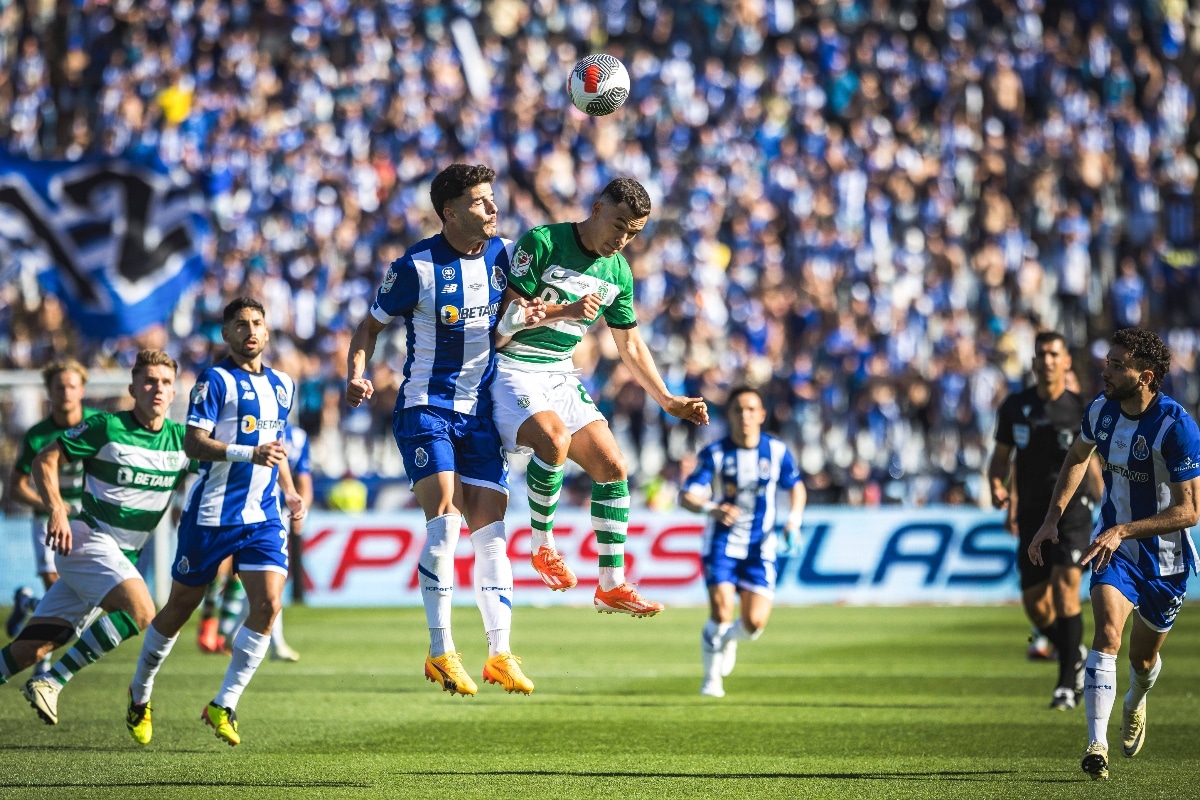
In the latest installment of the rivalry, FC Porto hosted Sporting at Estádio do Dragão on March 5, 2023. This match was crucial for both teams’ title races in the Primeira Liga. Porto entered the match having a strong season, while Sporting was looking to rebound after a disappointing run. The match ended in a 2-1 victory for Porto, a result that deepened Sporting’s struggles and solidified Porto’s position atop the league standings.
Historical Context and Statistics
The rivalry dates back to 1893, when the two clubs were founded, with Porto achieving numerous domestic and international successes, including two UEFA Champions League titles. Sporting, on the other hand, boasts a rich history of producing world-class talent, including players like Cristiano Ronaldo and Luís Figo. The all-time head-to-head record is highly competitive, with Porto slightly leading in total victories. This historical tension fuels every encounter, driving both teams to deliver their best performances.
Fan Engagement and Impact
Matches between Porto and Sporting draw in significant crowds, with fans passionately supporting their teams. The atmosphere is electrifying, with dedicated supporters creating a vibrant spectacle. The media coverage surrounding these matches also emphasizes their importance, making them a highlight of the Portuguese football calendar. Beyond entertainment, the rivalry has social implications, as local communities rally around their teams, fostering regional pride and identity.
Conclusion
The Porto vs Sporting rivalry transcends football, representing regional pride and a deep-seated passion for the sport in Portugal. As both teams continue to compete at high levels domestically and in Europe, fans can anticipate many more thrilling encounters that will add to this storied history. This ongoing rivalry not only shapes the landscape of Portuguese football but also showcases the cultural significance of the sport within the country. Looking forward, both clubs aim to build on their rich legacies, making every match between them not just a game, but a celebration of football heritage.