Introduction
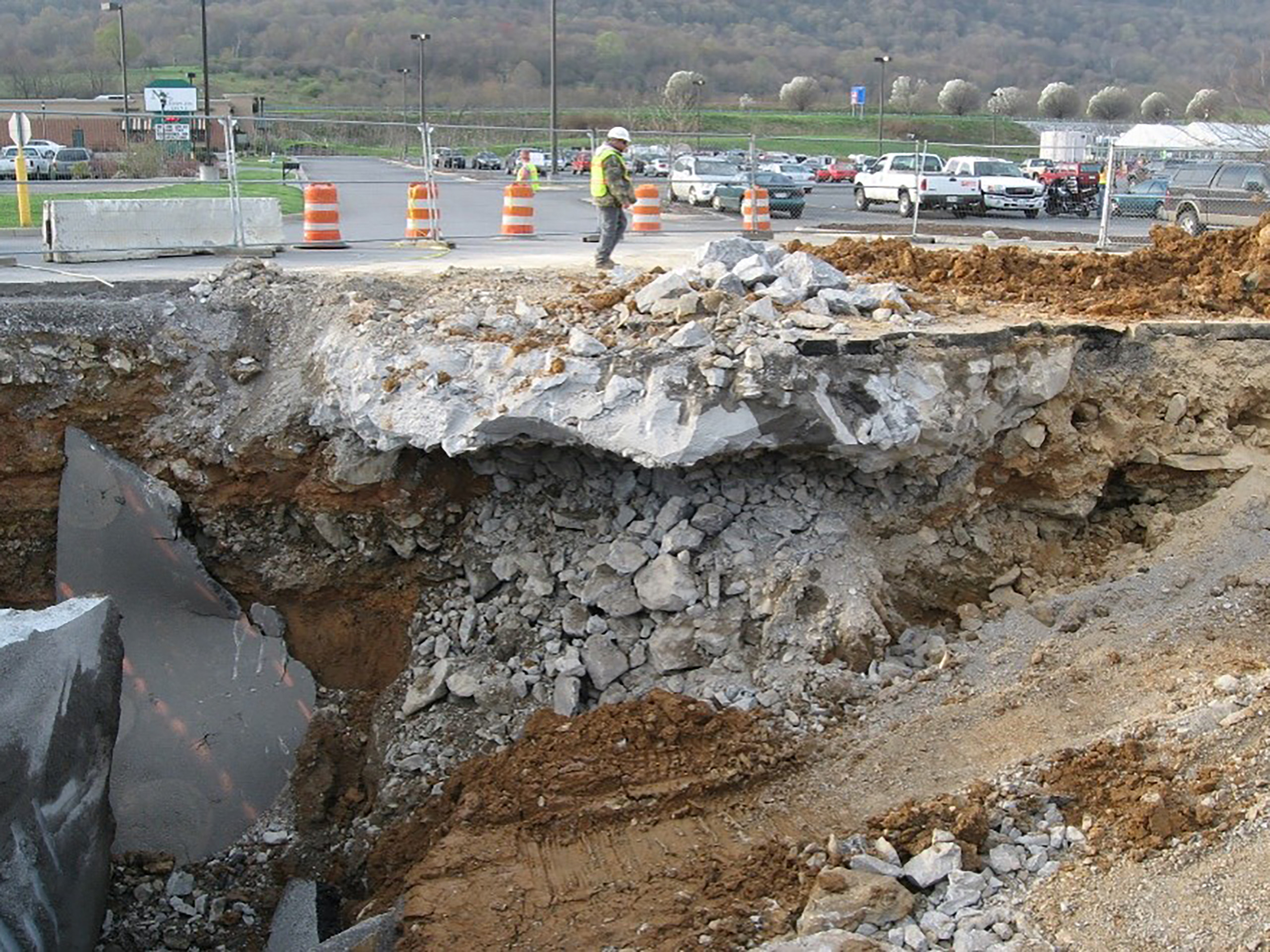
Sinkholes are natural depressions or holes in the ground that occur when the earth’s surface collapses. These intriguing geological phenomena have garnered attention not just for their natural intrigue, but more importantly, due to their potential to cause severe damages, injuries, and even fatalities. In recent months, instances of sinkholes have been reported around the United States, raising concerns about urban planning, environmental changes, and community safety.
What Causes Sinkholes?
Sinkholes typically occur in areas where the underlying rock is soluble, such as limestone, gypsum, or salt. When water, often from heavy rains, seeps into these rocks, it can dissolve them over time, creating underground voids. When the surface above can no longer support its weight, it collapses, forming a sinkhole. There are three main types of sinkholes: solution sinkholes, which are formed by the gradual dissolution of rock; cover-collapse sinkholes, created when a thin layer of soil is unable to support the weight above; and human-induced sinkholes, often resulting from construction activities or constant water drainage.
Recent Sinkhole Incidents
In April 2023, a significant sinkhole appeared in a suburban neighborhood in Florida, measuring over 30 feet in diameter. Fortunately, it occurred at night, preventing injuries. This incident follows a trend seen in the region where extensive rainfall has weakened soil stability. Similarly, in May 2023, another sinkhole approximately 15 feet wide emerged in a residential area of Louisiana, causing road access issues and sparking further investigations into the local geology. These incidents underline the seriousness of sinkholes as urban areas expand into regions susceptible to such geological activities.
Impacts on Communities
The impacts of sinkholes can be profound, especially for homeowners and local governments. Property damage can be extensive, costing thousands in repairs and potentially leading to property condemnations. Moreover, infrastructure such as roads and utilities can be severely disrupted, resulting in road closures and service interruptions. As cities increasingly face unpredictable weather patterns attributed to climate change, the risk of sinkholes forming will likely increase, necessitating improved planning and preparedness strategies.
Conclusion
As sinkholes continue to capture headlines, it becomes crucial for communities to understand their causes and impacts. With the ongoing geological assessments and raised awareness, cities can take proactive measures to mitigate risks. For residents, staying informed about potential warning signs and understanding the geological characteristics of their areas can be invaluable. The importance of investing in infrastructure resilience cannot be overstated, as it paves the way for safer living environments in the face of natural uncertainties.