Introduction
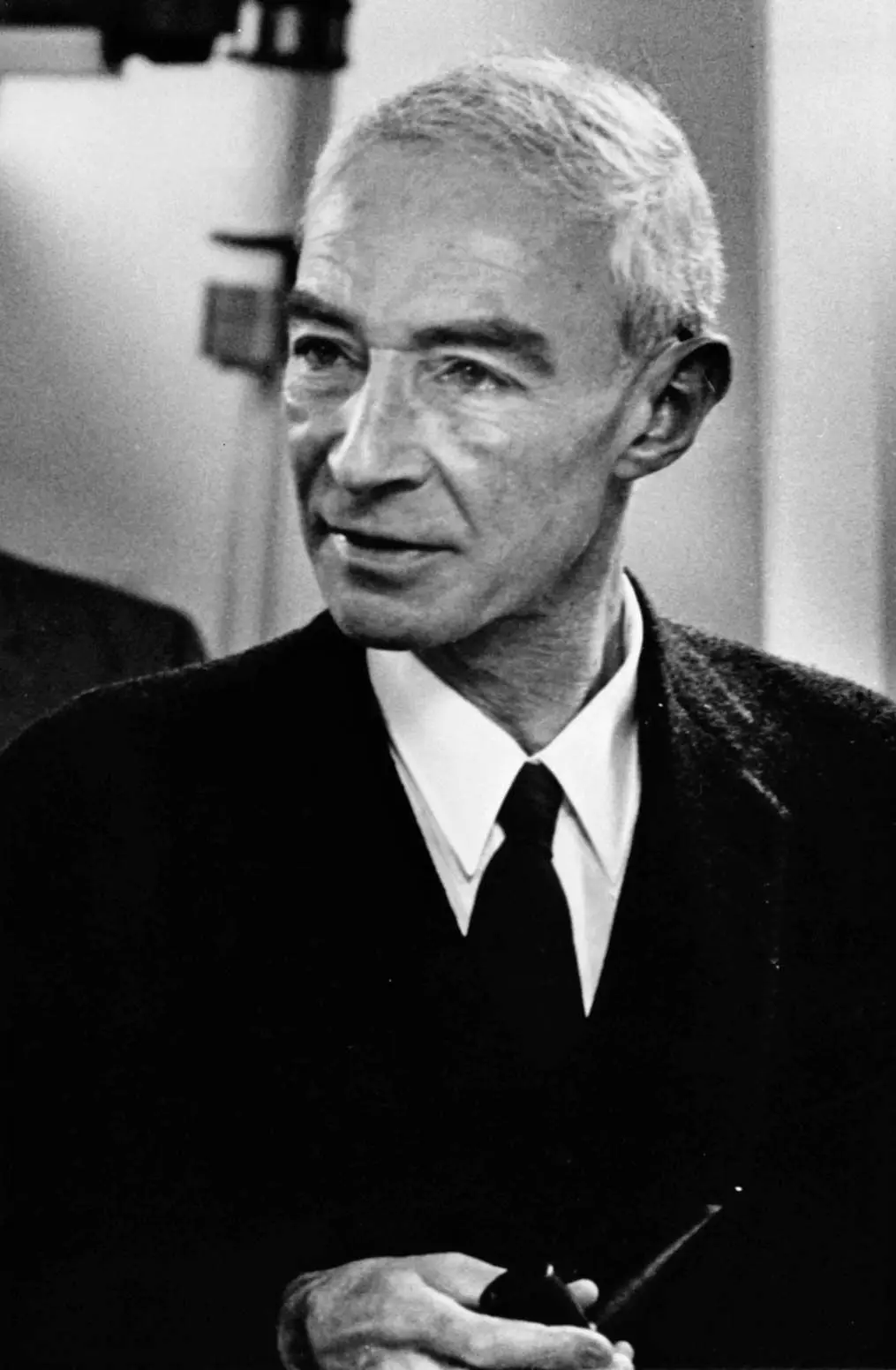
J. Robert Oppenheimer, often referred to as the “father of the atomic bomb,” holds a significant place in modern history due to his vital role in the Manhattan Project during World War II. The ethical implications of his contributions and subsequent reflections on nuclear weapons continue to resonate in today’s geopolitical landscape, making Oppenheimer a topic of increasing relevance.
Early Life and Education
Born on April 22, 1904, in New York City, Oppenheimer was a gifted student from an early age. He attended Harvard University, where he studied chemistry before shifting to physics. He later pursued his Ph.D. at the University of Göttingen in Germany, where he collaborated with leading physicists such as Max Born and Wolfgang Pauli, gaining invaluable insight into quantum mechanics.
The Manhattan Project
As World War II unfolded, the fear that Nazi Germany could develop an atomic bomb prompted the United States to initiate the Manhattan Project in 1942. Oppenheimer was appointed as the scientific director at Los Alamos Laboratory in New Mexico, where he led a diverse group of scientists in their quest to build the bomb. On July 16, 1945, the first successful test of an atomic bomb, dubbed “Trinity,” heralded a new age in warfare and science.
Post-War Reflections and Controversies
After the war, Oppenheimer faced a moral crossroads. He famously remarked, “Now I am become Death, the destroyer of worlds,” reflecting his deep internal conflict over the bonds of science and the potential for destruction. As the arms race escalated, Oppenheimer became an advocate for international control of nuclear power but faced backlash and scrutiny during the Red Scare and was stripped of his security clearance in a controversial hearing in 1954.
Legacy and Modern Relevance
Oppenheimer’s legacy is marred by both his monumental contributions to science and his involvement in creating a weapon of mass destruction. His life story illuminates the complexities of scientific ethical dilemmas and has reinvigorated discussions regarding nuclear policy in contemporary society. The recent release of films and documentaries that explore his life has sparked renewed interest in his legacy and its implications for modern science and warfare.
Conclusion
J. Robert Oppenheimer’s life exemplifies the intersection of scientific ingenuity and ethical responsibility. As current global tensions continue to prompt questions about nuclear proliferation and wartime morality, Oppenheimer’s experiences serve as a cautionary tale of how knowledge wielded without accountability can lead to catastrophic consequences. Understanding his legacy is crucial not only for historians but also for today’s leaders and citizens as we confront the realities of our nuclear age.