Introduction
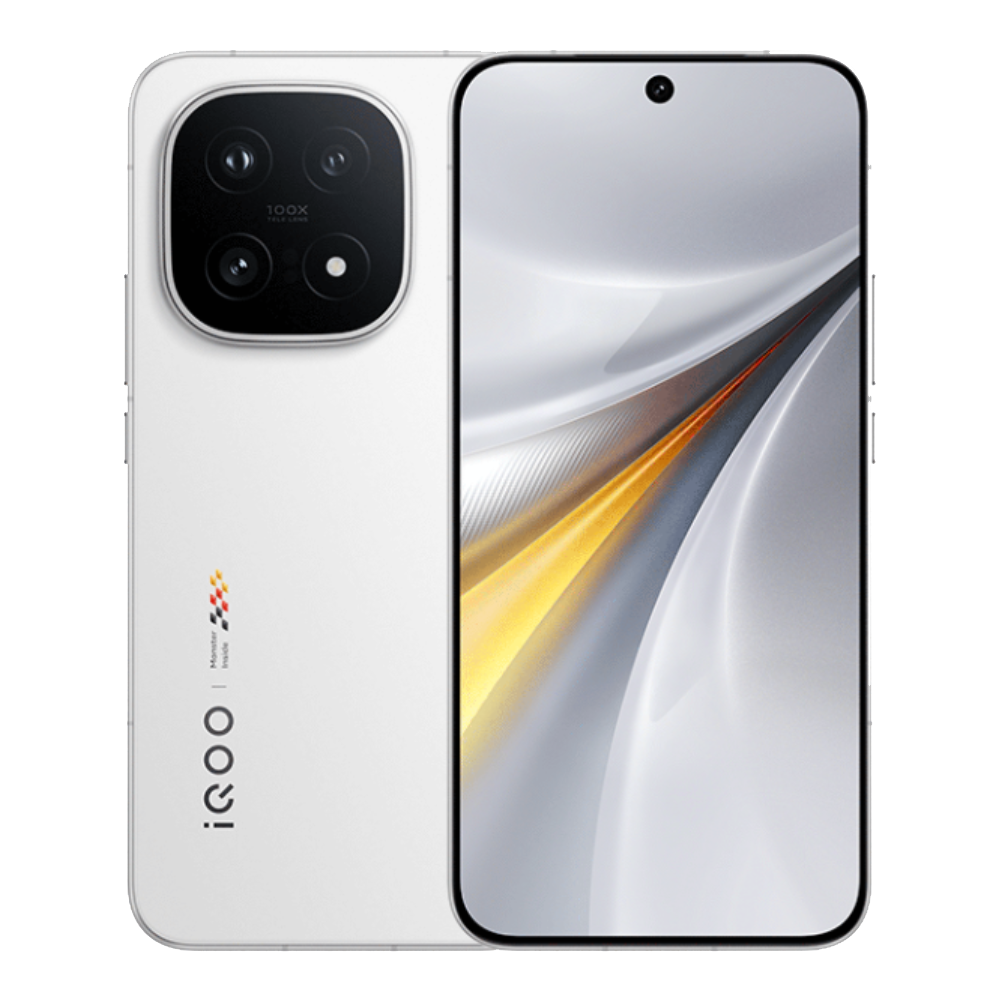
Printed Circuit Boards (PCBs) are a crucial component in modern electronic devices, serving as the backbone that holds together various components and ensures they function correctly. The importance of PCBs cannot be overstated as they are used in everything from small gadgets like smartphones to complex systems in aerospace technology. Understanding PCBs and their applications is vital for anyone involved in electronics manufacturing, engineering, or even consumers eager to learn about the devices they use daily.
What is PCB?
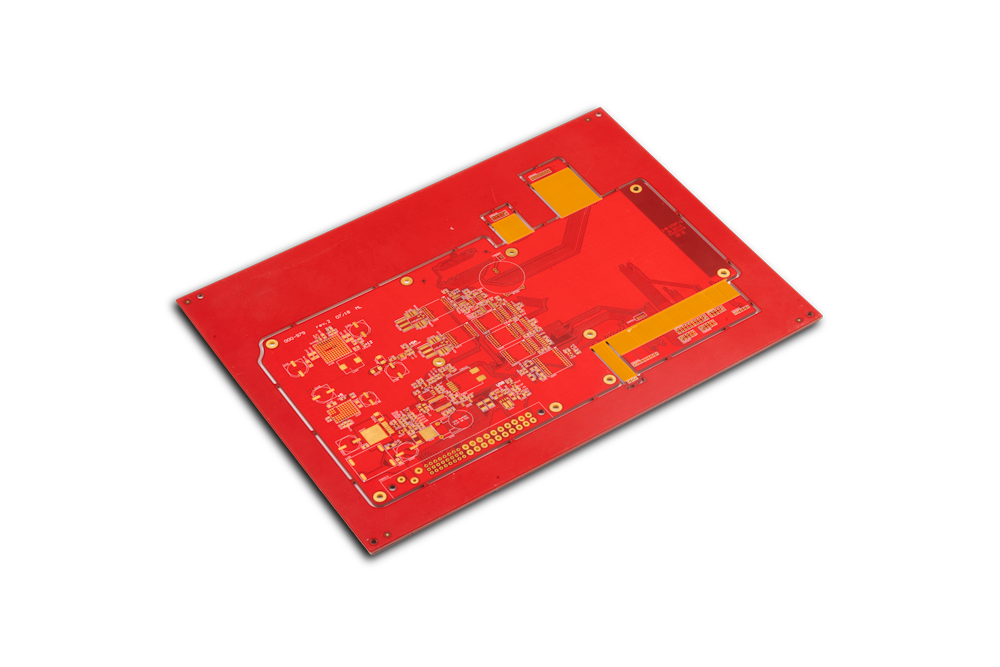
A printed circuit board (PCB) is a flat board made of insulating material, typically fiberglass or plastic, that has conductive pathways etched into its surface. These pathways connect different electronic components, facilitating electrical signals and power throughout the device. PCBs can vary in complexity from single-layer boards used in simple applications to multi-layer boards that integrate numerous electronic components in advanced devices.
Current Trends and Advancements in PCB Technology
Recent technological advancements have spurred significant developments in PCB manufacturing. For instance, the rise of the Internet of Things (IoT) has driven the demand for compact, flexible, and multi-functional PCBs. Companies are now focusing on creating PCBs that not only conserve space but also reduce production costs and increase performance. Additionally, developments in materials used for PCBs are enhancing durability and efficiency, including the use of biodegradable materials aimed at reducing environmental impact.
Applications of PCBs
PCBs play an indispensable role across various industries. In consumer electronics, they are found in devices such as smartphones, tablets, and computers. In the automotive industry, PCBs are integral to advanced driver-assistance systems (ADAS) and electric vehicles (EVs). Moreover, in medical devices, PCBs ensure crucial functionalities in diagnostic and monitoring equipment. The aerospace sector also relies heavily on high-reliability PCBs for navigation and communication systems.
Conclusion
As technology continues to evolve, the relevance and functionality of PCBs are only expected to grow. With innovations driving the demand for smarter and more reliable electronic solutions, understanding PCBs will be increasingly essential for both professionals and consumers. The future of PCBs looks promising with ongoing advancements and applications emerging across multiple sectors, highlighting their significance in facilitating the technologies of tomorrow.