The Importance of Winter Weather Warnings
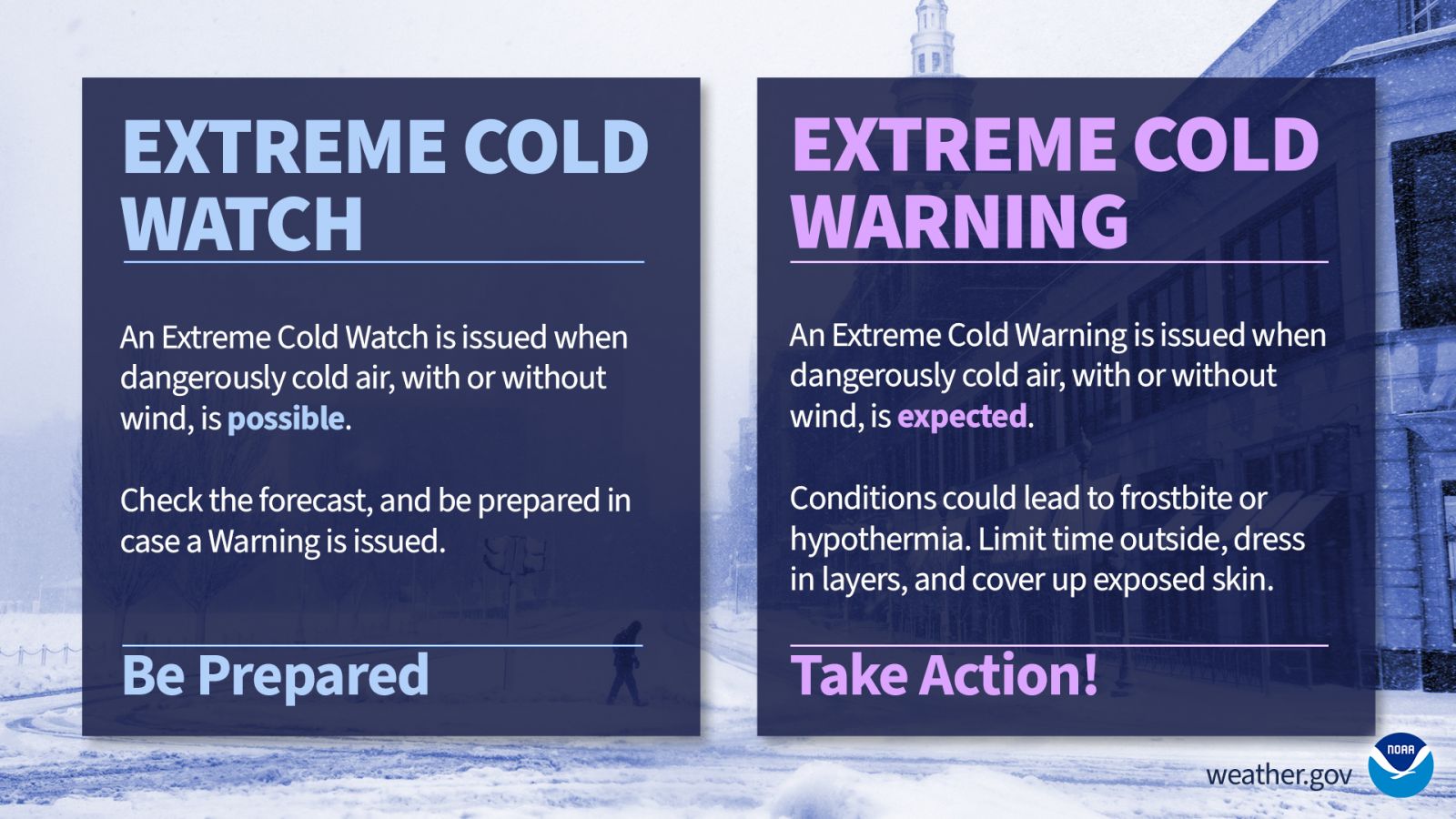
As winter descends across much of the United States, winter weather warnings are becoming increasingly significant for local communities. These warnings are crucial in ensuring the safety and preparedness of residents, as they provide essential information regarding hazardous weather conditions such as snow, ice, and extreme cold. With climate change causing unpredictable weather patterns, staying informed about winter weather alerts can help prevent accidents and save lives.
Current Winter Weather Warnings
As of early January 2024, the National Weather Service (NWS) has issued winter weather warnings in several states across the Midwest and Northeast. States like Minnesota, Wisconsin, and New York are currently under advisories for heavy snowfall, with some areas expecting up to a foot of snow, along with hazardous icy conditions. The Midwest is bracing for dangerously cold wind chills, plunging temperatures as low as -30°F in exposed areas. According to the NWS, travelers are advised to reconsider non-essential travel during these warning periods due to limited visibility and treacherous road conditions.
Safety Measures and Preparedness
Residents in affected areas are urged to prepare adequately for the harsh weather. This includes stocking up on emergency supplies such as food, water, medications, and necessary winter gear. Additionally, checking in on vulnerable neighbors, ensuring proper home heating, and having a backup power source can be vital steps. Authorities recommend following local news and weather updates closely to stay informed about sudden changes in weather conditions that could escalate risks.
Conclusion and Outlook
As winter progresses, communities across the United States should remain vigilant about winter weather warnings. By understanding the implications of these warnings and taking proactive safety measures, residents can mitigate the risks associated with severe winter weather. With forecasts indicating no immediate relief from these conditions in the coming weeks, it is essential to remain prepared and informed. Continued monitoring of alerts from the National Weather Service and local news channels will be key to navigating through this challenging season.