Introduction
Flu season typically peaks between December and February, making it vital for individuals to recognize flu symptoms early. Understanding these symptoms can help in seeking appropriate medical care and preventing the spread of the virus. The seasonal influenza virus can lead to serious health complications, particularly for vulnerable populations such as young children, the elderly, and individuals with preexisting health conditions.
Main Flu Symptoms
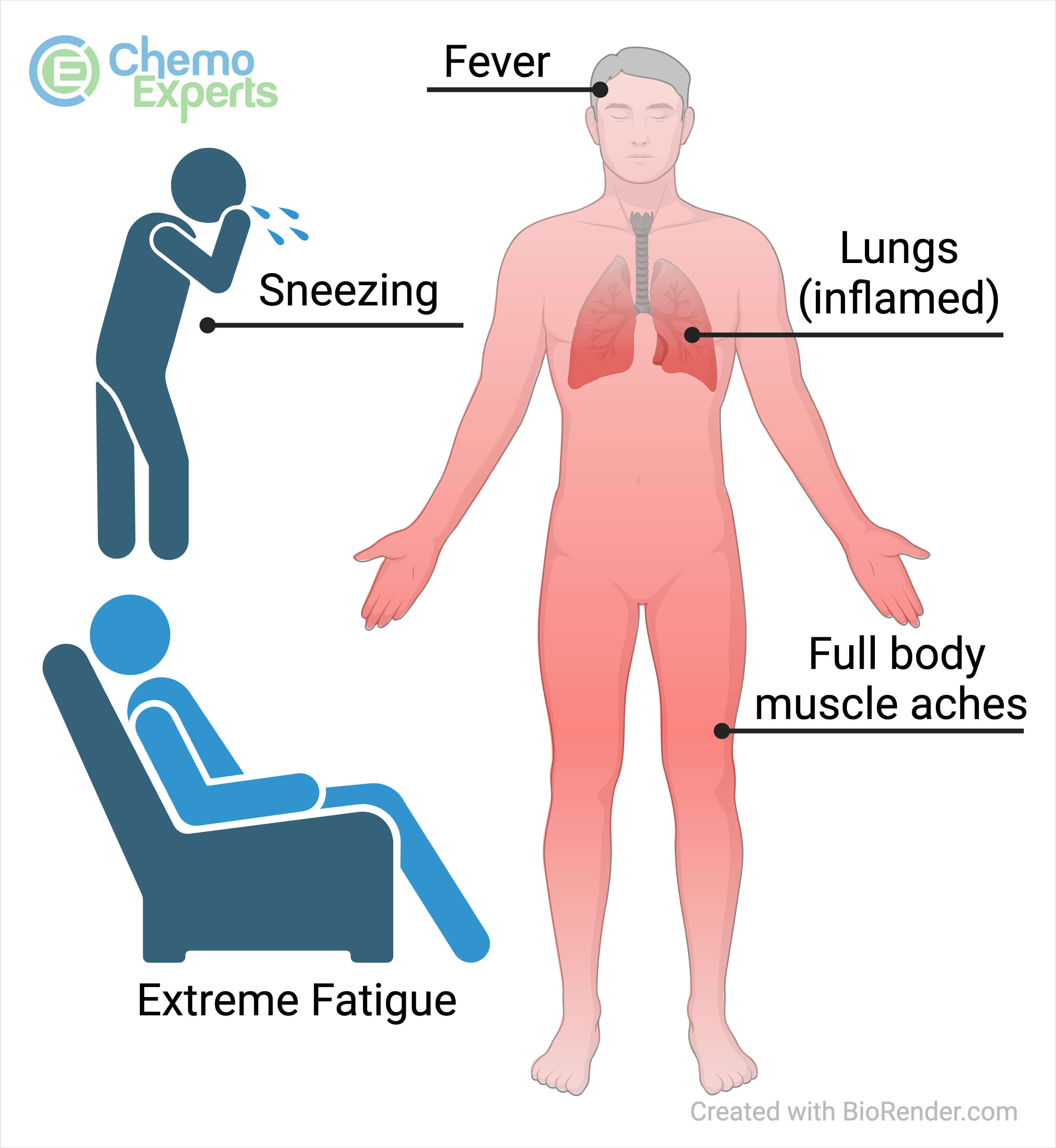
Common flu symptoms can manifest suddenly and include:
- Fever: A high temperature often exceeding 100°F.
- Chills: Accompanied by the body’s response to fever.
- Cough: A dry cough that can develop into a more severe condition.
- Sore Throat: A painful sensation in the throat.
- Muscle or Body Aches: Generalized pain in muscles or joints.
- Headaches: Moderate to severe headaches.
- Fatigue: An overwhelming sense of tiredness.
- Runny or Stuffy Nose: Commonly associated with respiratory infections.
- Nausea and Vomiting: Although more common in children, adults can experience gastrointestinal symptoms too.
According to the Centers for Disease Control and Prevention (CDC), these symptoms usually arise one to four days after exposure to the virus. Additionally, not every individual infected with the flu will present with all symptoms, and they may vary in duration and intensity.
When to Seek Medical Attention
It is crucial for individuals experiencing severe symptoms—such as difficulty breathing, chest pain, or sudden dizziness—to seek medical attention promptly. Healthcare providers recommend getting a flu test if symptoms arise within the first 48 hours, as antiviral treatments may be more effective when started early.
Conclusion and Forecast
As we see a rise in flu cases during peak seasons, understanding flu symptoms becomes increasingly important. Taking preventive measures, such as vaccination and maintaining proper hygiene, can mitigate the risk of infection. Individuals should stay informed and monitor their health, as early recognition of flu symptoms may significantly reduce the severity of the illness and aid public health efforts to control the spread of the virus.