Introduction
Artificial Intelligence (AI) is revolutionizing various sectors, and healthcare is at the forefront of this transformation. With its potential to enhance patient care, improve diagnostics, and streamline administrative tasks, AI is becoming an indispensable tool in hospitals and clinics worldwide. As the global healthcare system seeks to improve efficiency and patient outcomes, the integration of AI technologies holds significant relevance for both healthcare providers and patients.
Current Applications of AI in Healthcare
In 2023, AI applications in healthcare are expanding at a rapid pace. One notable area is diagnostics, where AI algorithms analyze medical images, aiding radiologists in detecting conditions such as cancer more accurately and swiftly than traditional methods. For instance, machine learning models are capable of identifying tumors in mammograms with sensitivity surpassing human radiologists in some studies.
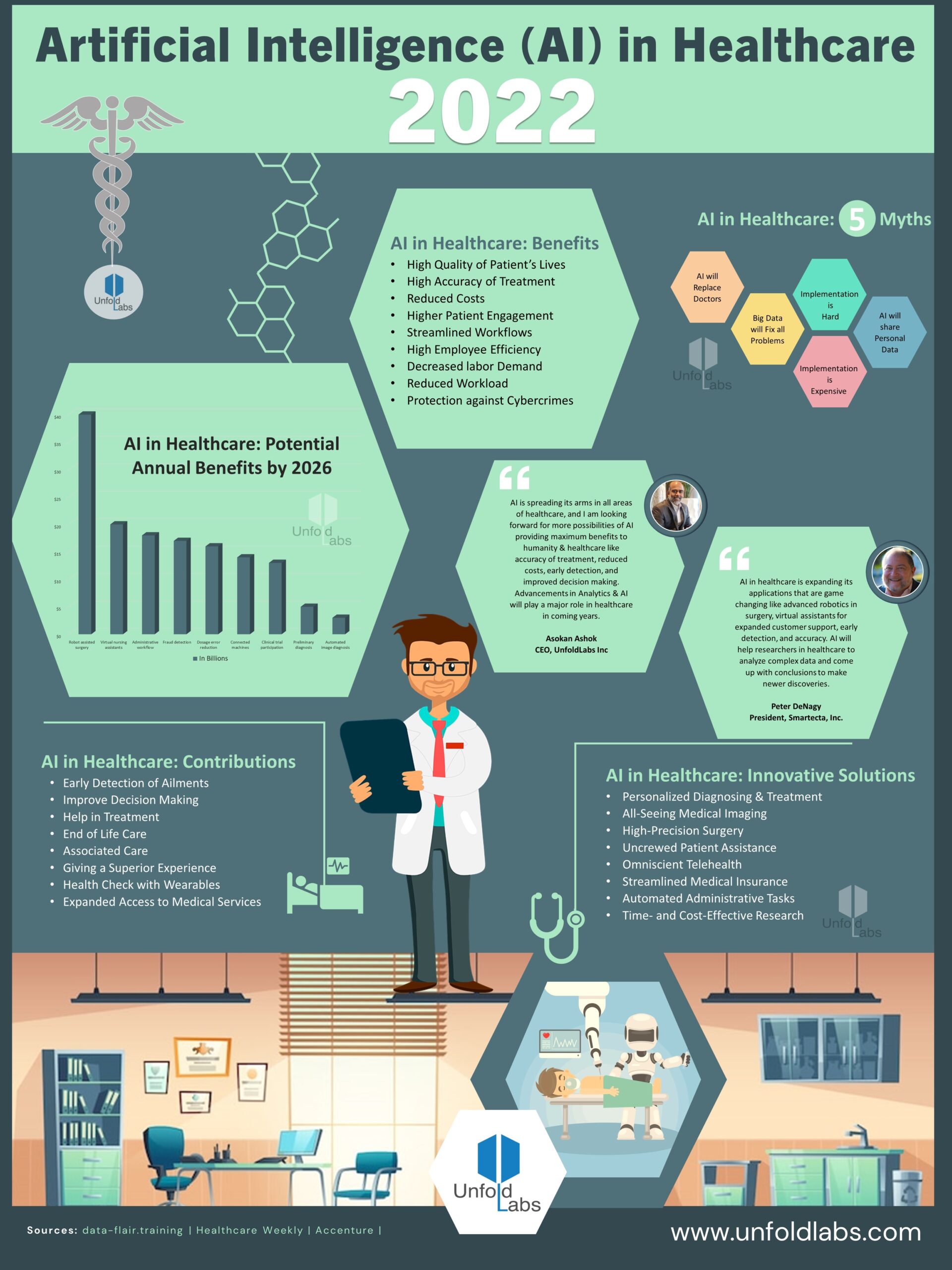
Furthermore, AI-powered chatbots have emerged as valuable tools for patient interaction. These systems handle initial patient inquiries, schedule appointments, and provide information on medications, easing the burden on healthcare staff and improving patient engagement. According to a recent survey by Accenture, the incorporation of AI could save the healthcare industry $150 billion annually by 2026 through enhancements in workflow and reduced administrative costs.
Challenges and Considerations
Despite the numerous benefits, integrating AI in healthcare also poses significant challenges. Concerns over data privacy and security are paramount, as AI systems often rely on vast amounts of medical data, which must be protected from breaches. Additionally, the need for robust training datasets to ensure accuracy and reduce bias in AI algorithms is critical. Regulatory frameworks must evolve to keep pace with these technologies, ensuring they are safe and effective for patients.
Conclusion
The future of AI in healthcare looks promising, with ongoing developments that could alter the landscape of patient care and operational efficiency. As AI continues to improve diagnostic accuracy, patient interaction, and workflow efficiency, it holds the potential to address some of the most pressing challenges in the healthcare system. Stakeholders, including healthcare providers, policymakers, and technology developers, must collaborate to navigate the ethical implications and ensure that AI advancements are accessible and beneficial for all. As we move forward, staying informed about these AI developments will be crucial for patients and professionals alike.