Introduction
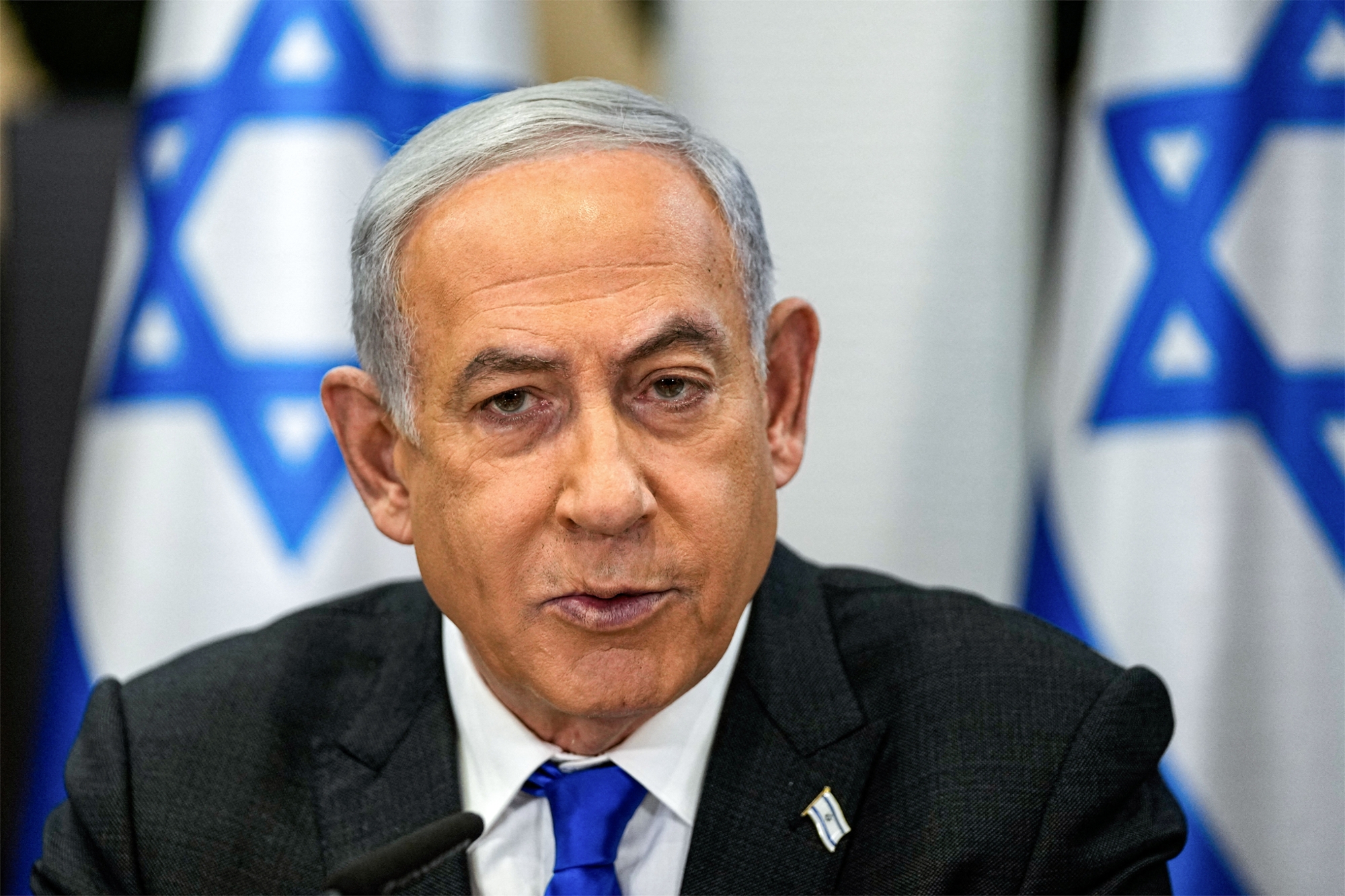
Benjamin Netanyahu, one of Israel’s most prominent political figures, has served as Prime Minister for multiple terms. Understanding his policies and leadership style is crucial for grasping the current political landscape in Israel and its repercussions globally. His approach to national security, economy, and foreign diplomacy has often placed him in the international spotlight.
Political Career and Achievements
First elected as Prime Minister in 1996, Netanyahu became the youngest person to hold the position. He has since been a key player in Israeli politics, returning to office several times, most recently in December 2022. His leadership has focused on strengthening Israel’s security, advocating for military action against perceived threats, and promoting economic growth through technological innovation and privatization.
One of his significant accomplishments includes the Abraham Accords, which normalized relations between Israel and several Arab nations, enhancing Israel’s diplomatic relations in the Middle East. However, Netanyahu’s tenure has also been marred by controversy, including corruption charges and polarizing political divisions within Israel.
Current Events
As of 2023, Netanyahu continues to navigate a complex landscape, with ongoing tensions regarding Israeli-Palestinian relations and internal opposition. Recent protests against his government’s proposed judicial reforms have drawn nationwide attention, reflecting deep societal divisions. A significant portion of the Israeli populace remains concerned about the potential erosion of democratic norms and judicial independence under his leadership.
Internationally, Netanyahu’s government has been striving to maintain strong relations with the United States while confronting adversarial relationships with Iran and Hezbollah. His hawkish stance on security remains a defining feature of his administration and continues to influence Israel’s military strategy and diplomatic relations.
Conclusion
Benjamin Netanyahu’s impact on Israeli politics and global affairs is profound and multifaceted. As he navigates his current term, the implications of his policies will transition into critical discussions about regional stability and peace prospects. Observers will watch closely to gauge how internal pressures and external diplomatic challenges will shape Netanyahu’s legacy in the coming months and years. His leadership will likely play a pivotal role in determining Israel’s future direction, making it essential for citizens and global stakeholders to stay informed about his initiatives and policies.