Azerbaijan Accuses Iran of Drone Attack
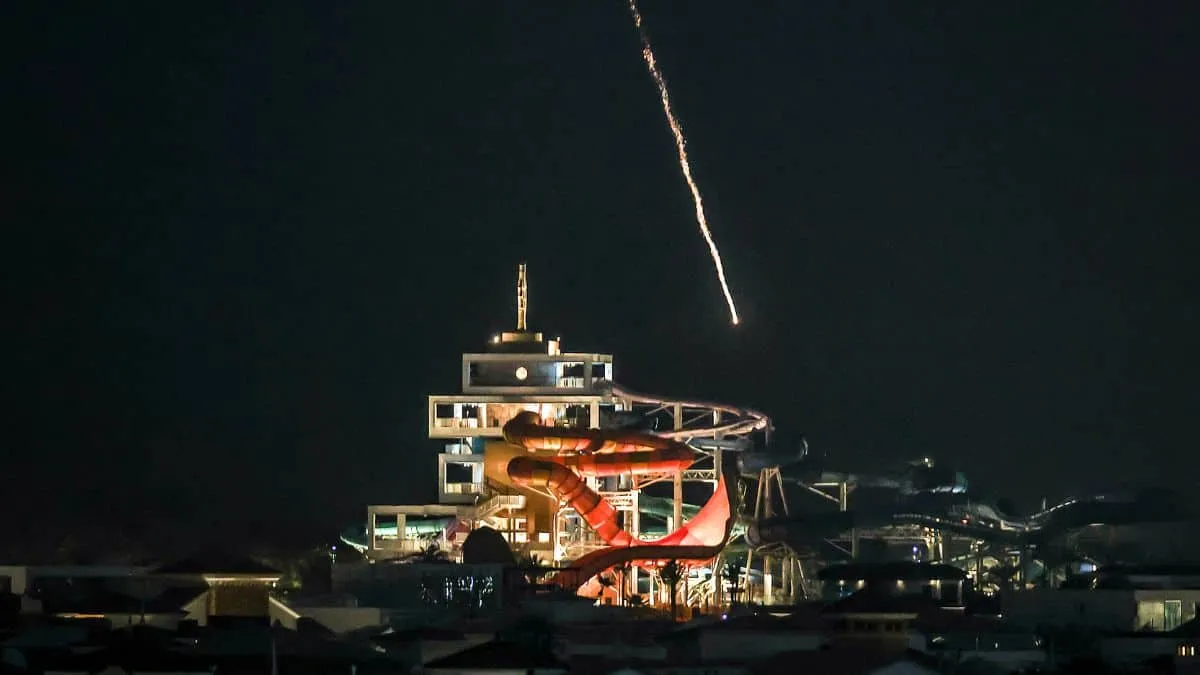
On March 5, 2026, Azerbaijan found itself at the center of escalating tensions following an alleged drone attack by Iran that injured four civilians in the Nakhchivan Autonomous Republic. This incident has raised alarms not only within Azerbaijan but also among its allies, given the complex geopolitical dynamics involving Iran, Israel, and the United States.
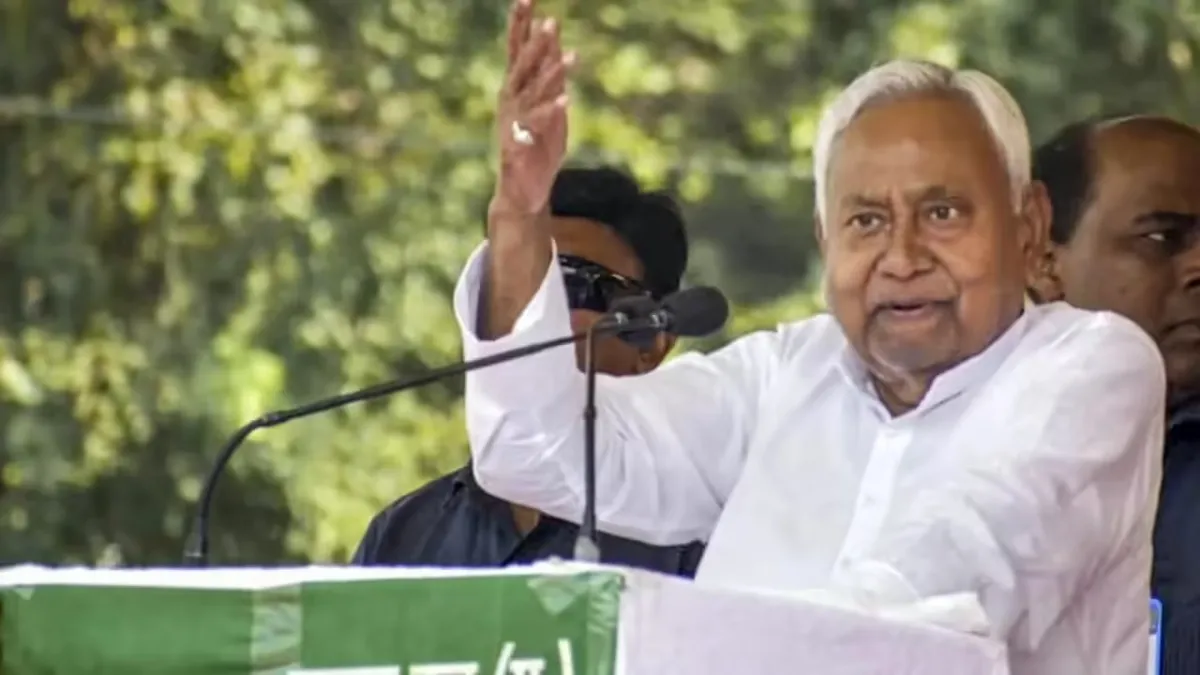
The drone attack specifically targeted the Nakhchivan exclave, damaging an airport building and prompting a swift response from Azerbaijan’s government. In the aftermath, Azerbaijan’s Foreign Ministry lodged an official protest with the Iranian embassy, demanding an explanation and urgent measures to prevent further incidents. President Ilham Aliyev condemned the attack, labeling it a “groundless act of terror and aggression,” and emphasized that such actions would not be tolerated.
In a significant move, Azerbaijan halted truck traffic across its nearly 700-kilometer border with Iran, signaling a serious escalation in diplomatic relations. The Azerbaijani Defense Ministry stated that Iran’s attacks would not go unanswered, and military preparations were underway to implement retaliatory measures. This decision underscores the gravity of the situation and the potential for further conflict in the region.
Iran, however, has denied any involvement in the drone attack, with its general staff categorically rejecting the claims made by Azerbaijan. This denial adds another layer of complexity to the situation, as both nations navigate their historical tensions and current geopolitical interests. Azerbaijan has increasingly developed military and economic ties with Israel, further complicating its relationship with Iran, which has seen its influence in the South Caucasus diminish in recent years.
The Nakhchivan exclave, which accounts for approximately 6% of Azerbaijan’s territory, is geographically isolated, separated from the rest of the country by a 40-kilometer wide swath of Armenia. This geographical reality amplifies the strategic importance of Nakhchivan and the necessity for Azerbaijan to maintain security in the region. The recent drone attack has highlighted vulnerabilities that Azerbaijan must address, particularly given its precarious position surrounded by potentially hostile neighbors.
In light of these events, Azerbaijan’s Foreign Ministry has reiterated its demand for Iran to clarify the situation promptly. The ministry stated, “Iran’s actions contradict the norms and principles of international law and contribute to increased tension in the region.” This statement reflects Azerbaijan’s broader concerns about regional stability and the implications of Iran’s military actions.
As tensions continue to rise, President Aliyev has called for accountability, insisting that Iranian officials must provide an explanation, offer an apology, and hold those responsible for the attack criminally liable. This demand underscores Azerbaijan’s resolve to protect its sovereignty and respond decisively to perceived threats.
In summary, the drone attack on Azerbaijan has intensified an already fraught relationship with Iran, with significant implications for regional security. As both nations navigate this crisis, the international community watches closely, aware that the outcome could reshape alliances and influence stability in the South Caucasus.