Nitish Kumar’s Political Transition
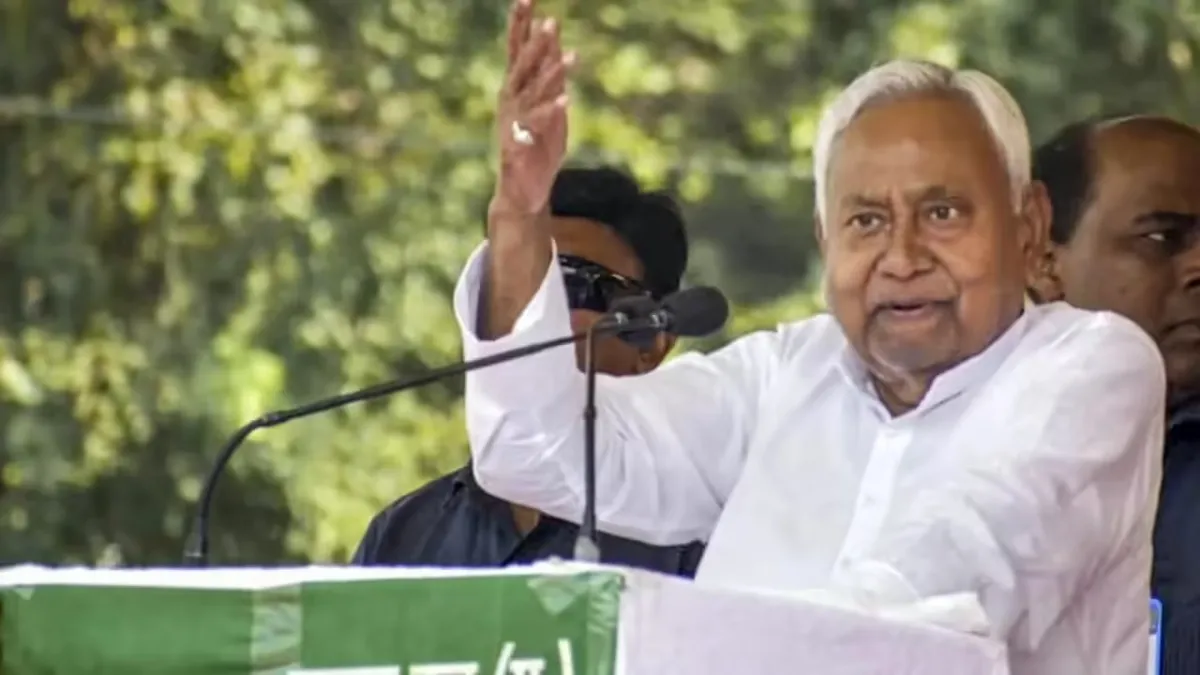
Bihar Chief Minister Nitish Kumar has announced his candidacy for the upcoming Rajya Sabha elections, a move that marks a significant shift in the political landscape of Bihar. After serving as the Chief Minister for over two decades and holding the position ten times, Kumar’s decision to step down from the state leadership role is seen as a pivotal moment in Bihar’s governance.
Impact of the 2025 Elections
The backdrop of this transition is the recent 2025 Bihar Assembly elections, where the National Democratic Alliance (NDA) secured 202 out of 243 seats. The Bharatiya Janata Party (BJP) emerged as the single largest party with 89 seats, while Kumar’s Janata Dal (United) (JD(U)) won 85 seats. This electoral outcome has set the stage for a new phase in Bihar’s politics, as Kumar’s leadership has been a defining factor in the state’s governance.
Kumar’s political journey began in the 1970s with the JP movement, influenced by the ideologies of Ram Manohar Lohia. His tenure has been marked by a focus on infrastructure development and social welfare, including notable reforms such as the ban on alcohol in the state. His governance model has been characterized by pragmatism rather than strict adherence to ideology, allowing him to navigate alliances with both the BJP and the Congress-led Opposition over the years.
Reactions and Protests
However, not all reactions to Kumar’s potential move to the Rajya Sabha have been positive. Some JD(U) workers have protested against this decision, expressing concerns over the future direction of the party and its identity within the NDA alliance. Kumar himself stated, “It has been my desire to become a member of both Houses of the Bihar Legislature as well as both Houses of Parliament,” indicating his ambition to continue influencing Bihar’s political framework.
Future Uncertainties
As Kumar prepares to file his Rajya Sabha nomination on March 5, 2026, uncertainties linger regarding the reasons behind his decision to step down and the implications for the JD(U). The exact motivations remain unconfirmed, and the impact of his departure on the party’s identity within the alliance is unclear. Observers note that Bihar now stands at a political crossroads, with Kumar’s exit potentially reshaping the state’s political dynamics.
Kumar’s legacy in Bihar politics is significant, with his governance model leaving a lasting impact on the state’s development. His departure from the Chief Minister’s office opens a new chapter in Bihar’s political narrative, one that will be closely watched as the state navigates its future.