Crude Oil Prices Surge Amid Middle East Tensions
Crude oil prices have surged significantly due to escalating tensions in the Middle East, with Brent crude rising above $90 per barrel, specifically reaching $90.25. West Texas Intermediate (WTI) also saw a notable increase, climbing to $87.56 per barrel, marking an 8.1% rise.
The surge in oil prices is attributed to fears of supply disruptions stemming from the ongoing conflict in West Asia. As a result, the oil price has reached a two-year high, reflecting the market’s reaction to geopolitical instability.
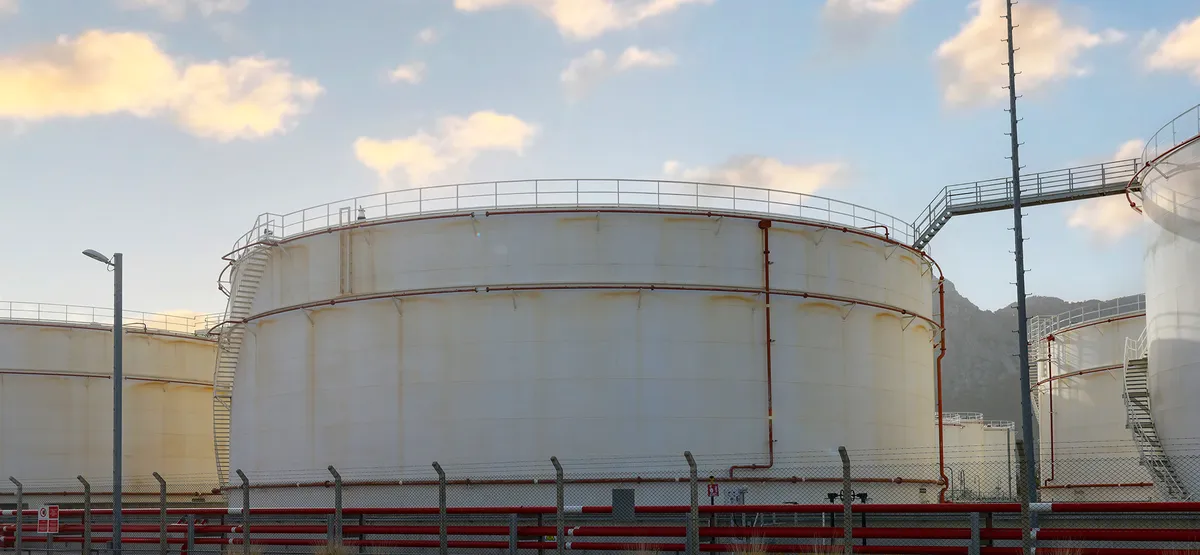
According to Leon from Rystad Energy, Gulf countries may face a critical situation if they cannot export oil. He stated, “If countries in the Gulf cannot export oil they will need to store it, and, when this storage runs out, stop production.” This highlights the precarious position these nations find themselves in as tensions rise.
Reports indicate that Gulf countries have only days to a few weeks before they run out of storage for oil. This looming deadline adds urgency to the situation, as the potential for halted production could further exacerbate the already volatile oil market.
In addition to these developments, the United States has allowed India to continue purchasing Russian oil amid the ongoing conflict, which may influence global supply dynamics. This decision reflects the complex interplay of international relations and energy needs in the current geopolitical landscape.
As the situation unfolds, observers are closely monitoring the potential for further price increases or supply disruptions. The market remains sensitive to any developments in the Middle East, which could have far-reaching implications for global energy prices.
Details remain unconfirmed as the situation continues to evolve, but the current trajectory suggests that crude oil prices will remain a focal point for analysts and investors alike.