Songs Shine at MG University Kalolsavam
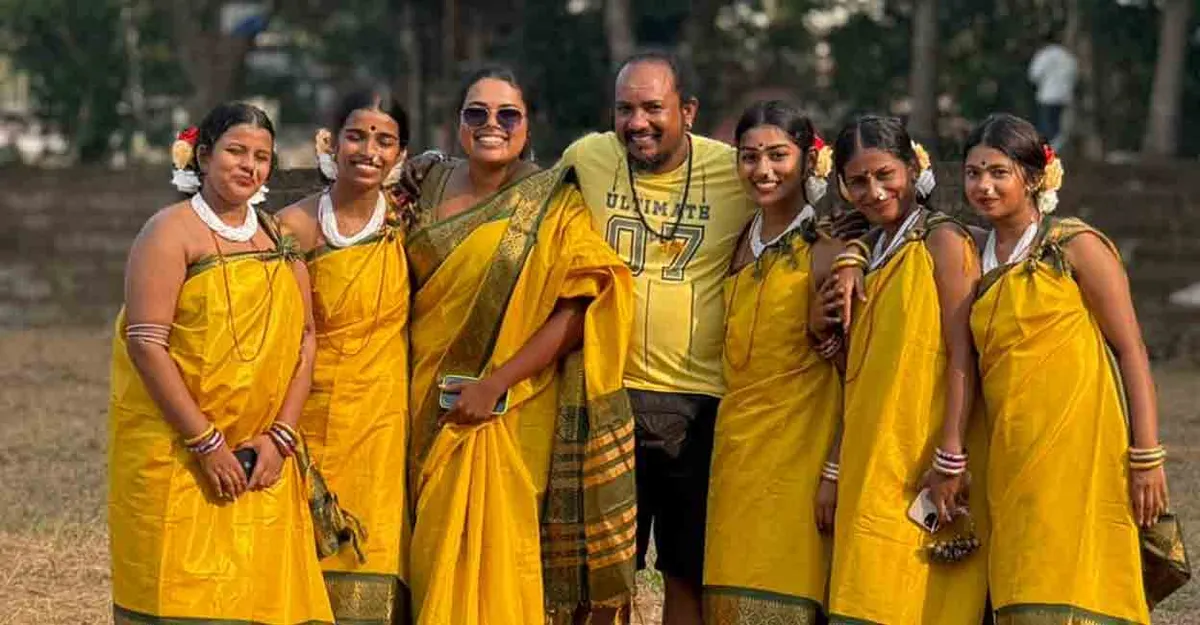
The recent MG University Kalolsavam raised an important question: How do songs reflect cultural heritage and contemporary issues? The answer was vividly illustrated by the Maharaja’s College folk song team, which won first prize in the competition, showcasing the rich traditions of the Muthuvan tribal community in Kerala.
The Maharaja’s College team, trained by Anjana Raveendran, performed a song learned from the Muthuvan tribe, a community known for its oral traditions that blend Malayalam and Tamil. Raveendran shared, “We connected with members of the Muthuvan tribe through friends. We stayed with the community for three days and learned the songs ourselves.” This dedication to preserving and sharing tribal music contributed to the team’s success, marking their third consecutive win in the folk song category at the Kalolsavam.
Competing against 64 teams, the Maharaja’s College team not only highlighted the beauty of folk songs but also emphasized the importance of documenting these traditions. Raveendran is currently researching ways to notate and preserve these songs for future generations, stating, “I want to document them so that future generations can learn and sing them.” The performance at the Kalolsavam was a vibrant celebration of tribal music, drawing attention to the cultural significance of the Muthuvan community, which resides primarily in the Kothamangalam region of Ernakulam district and Idamalakkudy in Idukki.
In contrast to the celebration of folk music, the contemporary music scene faced scrutiny as Badshah, a popular artist, apologized for his song “Tateeree” after it was criticized for objectionable content. The Haryana State Commission for Women issued a summons to Badshah, and police initiated a Look Out Circular to prevent him from leaving the country. Badshah expressed regret, stating, “I never intended to say anything objectionable against any woman or child from Haryana.” This incident highlights the ongoing dialogue about the responsibilities of artists in their lyrical content.
Meanwhile, the Sangeetanjali Shashtriya Sangeet Samiti organized a Holi song and dance event at the Doon Library Amphitheatre, featuring performances of various regional songs, including Garhwali, Kumauni, Ruhelkhandi, Braj, and Rajasthani. With 20 artists performing, the event celebrated the diversity of Indian music and its ability to bring communities together.
The folk song category at MG University Kalolsavam has been introduced for three years, and the audience has grown significantly since its inception. Raveendran noted, “When we performed in the first year, the audience was much smaller. In the second year, it doubled. Now it has increased further.” This growth underscores the increasing appreciation for folk traditions in a rapidly changing musical landscape.
As the MG University Kalolsavam continues to evolve, the interplay between traditional and contemporary songs will remain a focal point. The celebration of folk music, as demonstrated by the Maharaja’s College team, serves as a reminder of the importance of cultural heritage, while the controversies surrounding modern songs like those of Badshah prompt critical discussions about the impact of music in society. Details remain unconfirmed regarding future events and their potential influence on the music scene.