What does the recent temperature spike in Delhi indicate?
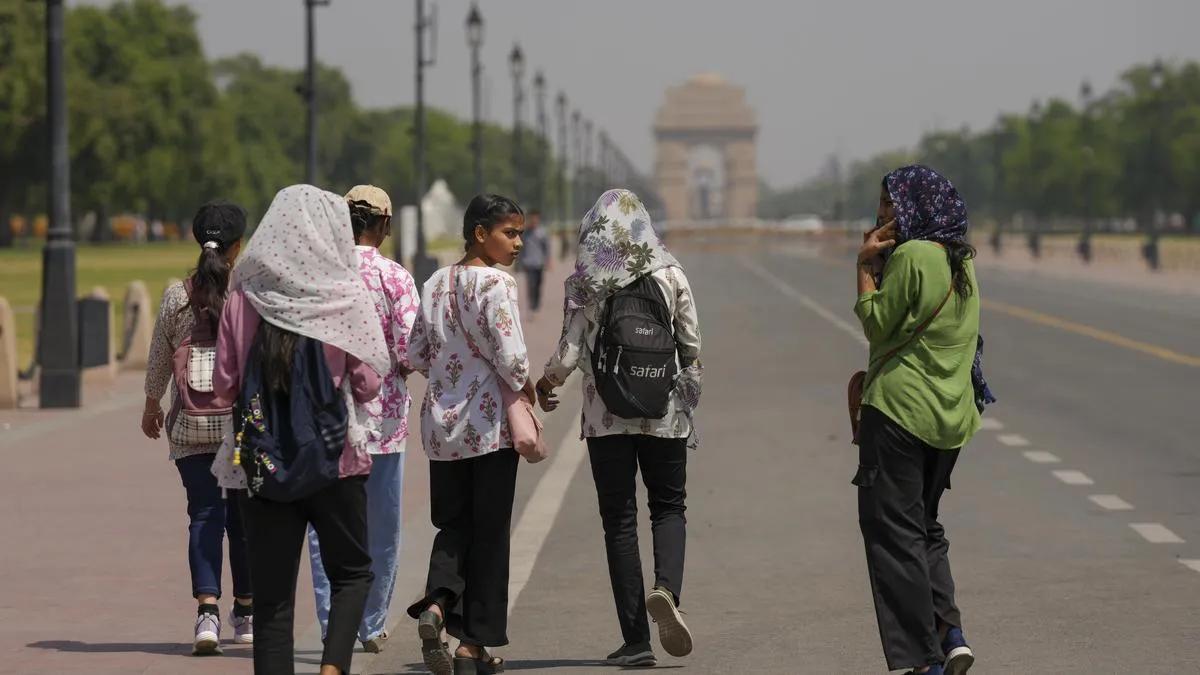
On March 7, 2026, Delhi recorded a maximum temperature of 35.7°C, the highest in the first week of March in the past 50 years. This significant rise raises concerns about the ongoing trends in climate change and its impact on urban environments.
The previous record for the first seven days of March was 34.8°C, logged on March 5, 1999. The temperature on March 7 was notably 7 degrees Celsius above normal, indicating a worrying trend in seasonal temperature variations.
In addition to the high maximum temperature, the minimum temperature on the same day settled at 17.4°C, which was 3 notches above normal. Such deviations from the average are becoming increasingly common in the region.
Forecasts suggest that the temperature may rise further, with predictions indicating a maximum of around 37 degrees Celsius by March 11, 2026. This anticipated increase could exacerbate the already challenging conditions faced by residents.
Moreover, Delhi’s air quality index (AQI) was recorded at 246 on March 7, placing it in the ‘poor’ category. This is a significant decline from the previous day’s AQI of 172, which was categorized as ‘moderate’. The deteriorating air quality is likely linked to the rising temperatures and increased pollution levels.
Many parts of North India have also experienced maximum temperatures rising between 8 to 12°C above normal during the first week of March 2026, further highlighting the regional impact of climate anomalies.
These temperature spikes are part of a broader trend observed over the past decade, where rising temperatures have become more frequent and intense in Delhi. The implications of these changes are profound, affecting public health, energy consumption, and overall quality of life.
As the situation evolves, it remains crucial to monitor these temperature trends and their effects on both the environment and public health. Details remain unconfirmed regarding long-term impacts and necessary adaptations that may be required in response to these changes.