Transforming Urban Transport in Delhi
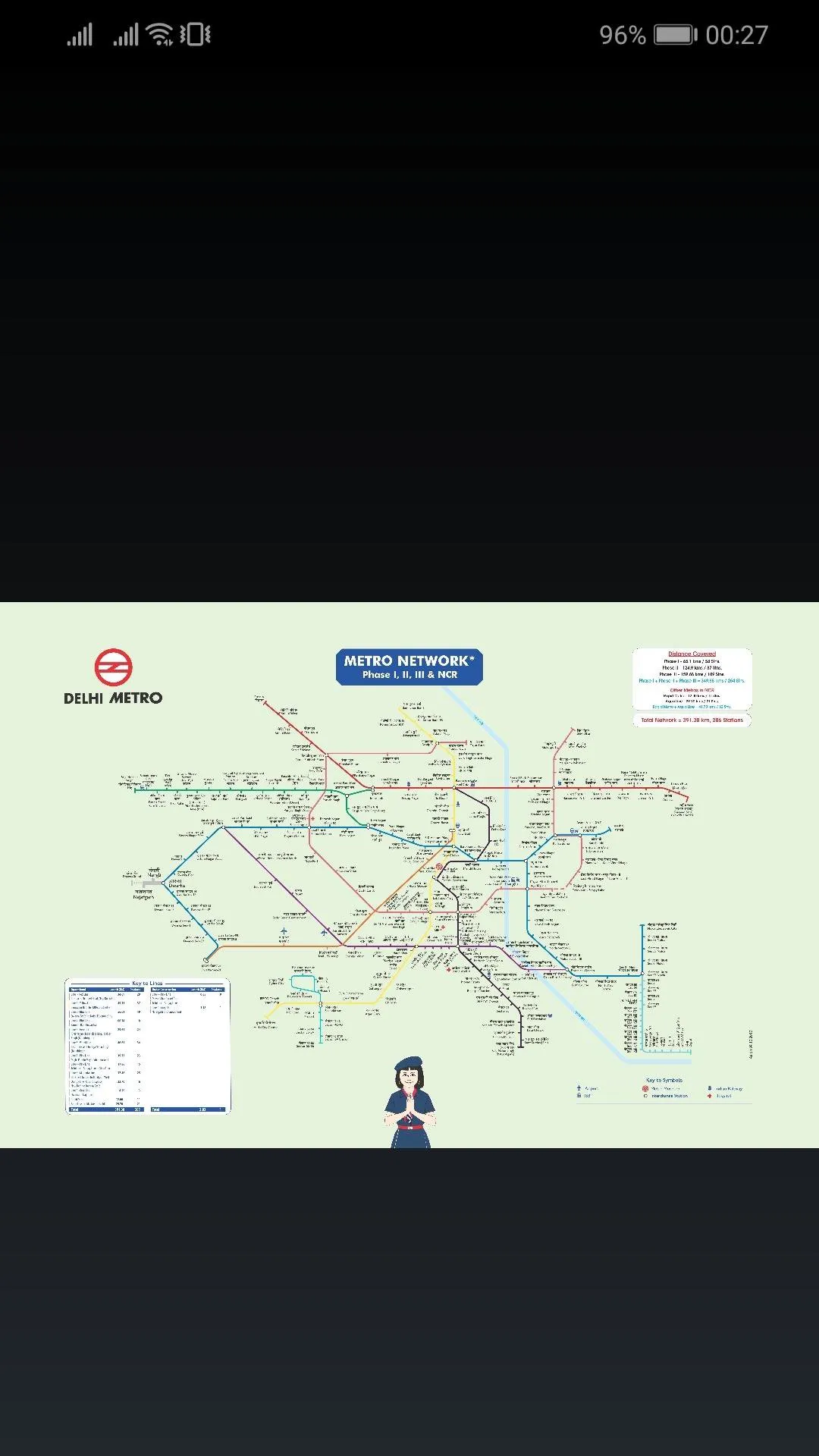
Before the recent developments, the Delhi Metro was already a significant part of the city’s infrastructure, with a network that spanned approximately 245 kilometers across five cities in India before 2013-14. This extensive network had established itself as a crucial mode of transportation for millions of commuters, offering a reliable alternative to road travel in a city notorious for its traffic congestion.
However, the landscape of urban transport in Delhi has changed dramatically with the inauguration of two new corridors by Prime Minister Narendra Modi. The Majlis Park-Maujpur Babarpur corridor, measuring 12.3 kilometers, and the Deepali Chowk-Majlis Park corridor, spanning 9.9 kilometers, are set to enhance the existing metro network significantly. These new additions are part of the larger Phase 5-A expansion plan, which includes three new corridors aimed at improving connectivity for residents traveling between Noida, South Delhi, and the airport.
The decisive moment came with the announcement of these expansions, which represent a total investment of around Rs 33,500 crore. This financial commitment underscores the government’s dedication to enhancing public transport infrastructure in the capital. The new corridors will not only increase the total length of the metro network but also facilitate a new bridge across the Yamuna River, further integrating the city’s transport systems.
As a direct effect of these developments, commuters can expect reduced travel times and improved access to key areas of the city. Manohar Lal, an expert in urban transport, noted, “Metro rail has become the lifeline of Delhi and is helping commuters to save considerable travel time.” This sentiment reflects the broader impact of the metro system on daily life in the capital, where efficient transport is essential for economic and social activities.
Moreover, the expansion will contribute to the creation of modern infrastructure, including 9,350 flats for government employees and 48 lakh square feet of office space. Such developments are crucial in accommodating the growing population and workforce in Delhi, which has seen a significant increase in urban migration over the years.
Experts like Rekha Gupta have emphasized the engineering significance of these new corridors, stating, “These metro corridors are also significant achievements from an engineering perspective.” This highlights not only the functional benefits of the metro but also the technological advancements that accompany such large-scale infrastructure projects.
With the current length of metro lines and the Namo Bharat RRTS reaching approximately 1,100 kilometers, the Delhi Metro continues to evolve as a model for urban transport in India. The expansion of the Pink Line to about 71.56 kilometers with the new sections further demonstrates the commitment to modernizing and expanding the metro network.
As these developments unfold, the future of urban transport in Delhi looks promising, with the potential for further enhancements and expansions that could redefine commuting in the capital. Details remain unconfirmed regarding additional phases or future projects, but the current trajectory suggests a continued focus on improving connectivity and infrastructure in one of India’s largest cities.