Background of the Conflict
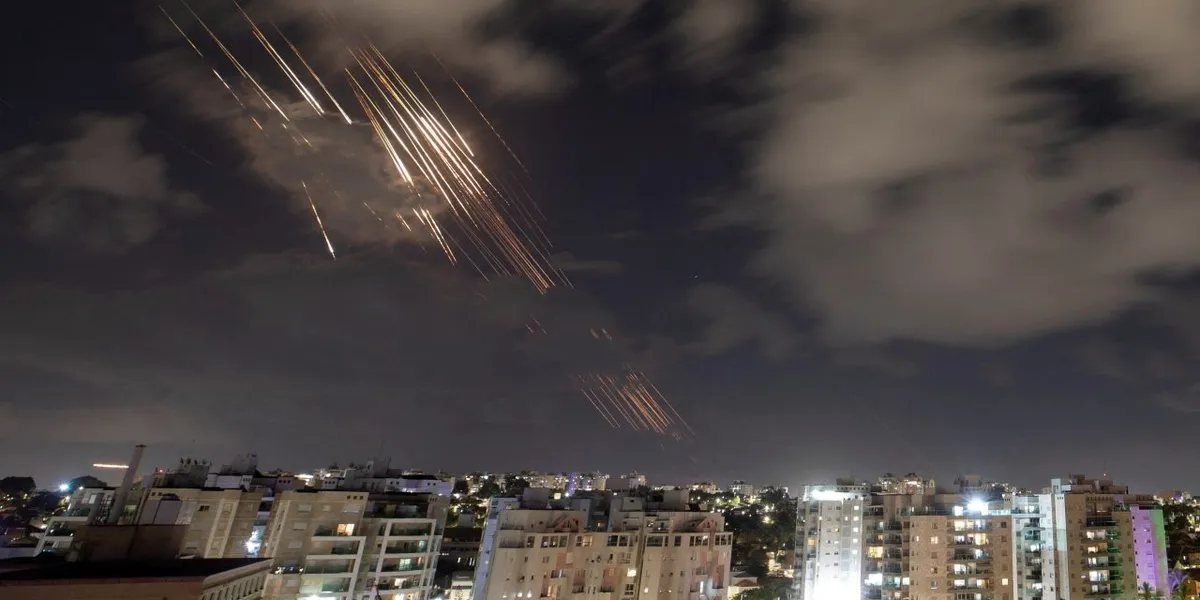
The conflict between Israel and Iran has escalated dramatically, extending beyond their borders to involve the Gulf region, Lebanon, and Iraq. This widening conflict has seen both nations engage in military actions that have resulted in significant casualties and geopolitical tensions. The situation has been exacerbated by the recent appointment of Iran’s new supreme leader, Mojtaba Khamenei, following the assassination of his father, which has further complicated the dynamics in the region.
Recent Developments
On March 8, 2026, the situation reached a critical point as the United States and Israel launched large-scale strikes on Iran, targeting key infrastructure such as oil storage depots and refining facilities. These attacks, which began on February 28, have resulted in at least 1,332 fatalities, raising concerns over the humanitarian impact of the ongoing military actions.
International Reactions
In response to the escalating violence, Iran’s military has confirmed that while the Strait of Hormuz remains open, they will target any US or Israeli ships attempting to navigate through this crucial waterway. This declaration underscores the heightened risks of military confrontations in one of the world’s most vital maritime corridors.
Casualties and Humanitarian Concerns
The conflict has also raised serious humanitarian concerns. Human Rights Watch has called for an investigation into an attack on a primary school in southern Iran, which resulted in the deaths of at least 160 people, labeling it a potential war crime. Additionally, the death toll from Iranian attacks on the United Arab Emirates has risen to four, further highlighting the regional implications of the conflict.
Statements from Key Figures
US Defense Secretary Pete Hegseth has issued a stern warning to Iran, stating, “If you kill Americans, if you threaten Americans anywhere on earth, we will hunt you down without apology and without hesitation, and we will kill you.” This statement reflects the US’s commitment to protecting its citizens and responding decisively to threats.
Regional Implications
The Gulf Cooperation Council (GCC) has condemned Iran’s continued attacks against Bahrain and Kuwait, describing them as dangerous acts of aggression. The Arab League has also expressed concern over the escalating violence, emphasizing the need for diplomatic solutions to prevent further destabilization in the region.
As the situation continues to unfold, observers are closely monitoring the potential for further military engagements and the broader implications for regional stability. The international community remains divided on how to address the escalating conflict, with calls for restraint and dialogue amid the ongoing hostilities. Details remain unconfirmed as the situation develops.