Before the Match
Leading up to the T20 World Cup 2026 Final, expectations were high for both India and New Zealand. India, having previously won the T20 World Cup in 2007 and 2024, was seen as a formidable opponent, especially playing on home soil at the Narendra Modi Stadium in Ahmedabad. New Zealand, known for their resilience and tactical gameplay, aimed to secure their first T20 World Cup title, having reached the finals in previous editions but falling short. The stage was set for a thrilling contest, with fans eagerly anticipating a closely fought battle.
Decisive Moment
The match took a decisive turn as India dominated the field, scoring a remarkable 255 runs for 5 wickets. This performance was underscored by Sanju Samson’s outstanding contribution of 89 runs off 46 balls, which played a crucial role in setting a daunting target for New Zealand. In response, New Zealand struggled significantly, being all out for just 159 runs in 19 overs, leading to a staggering 96-run victory for India. This outcome not only highlighted India’s batting prowess but also showcased their bowling strength, with Jasprit Bumrah taking 4 wickets for 15 runs and Axar Patel claiming 3 wickets for 27 runs.
Direct Effects
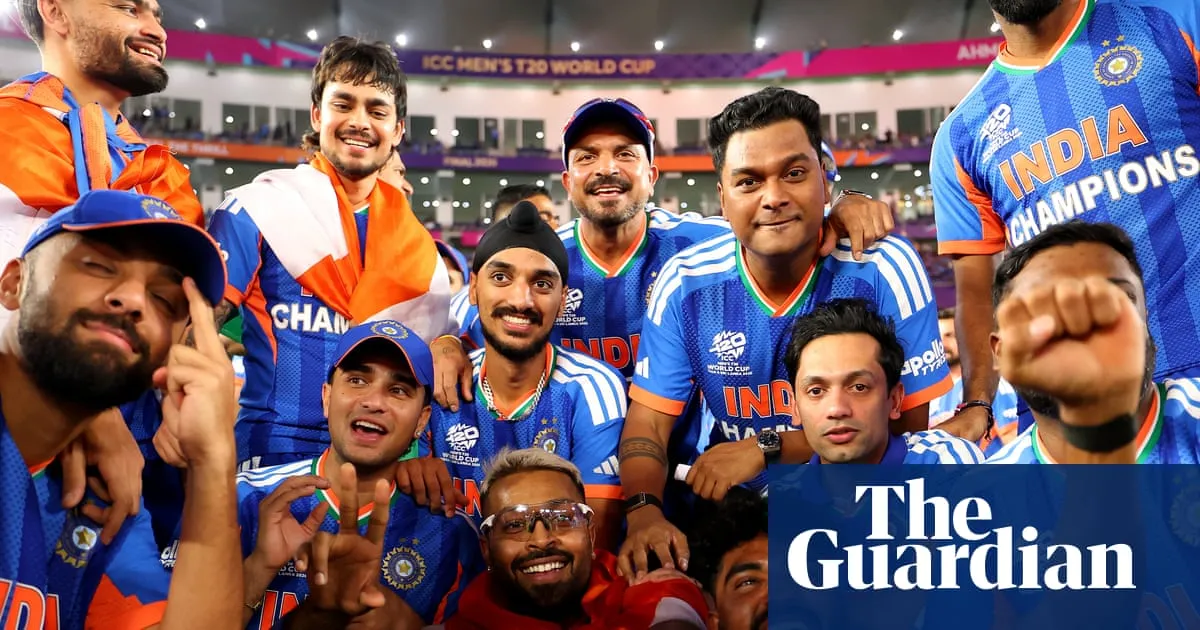
The victory had immediate and far-reaching effects on both teams. For India, this win marked their third T20 World Cup title and made them the first team to win back-to-back T20 World Cups. Additionally, they became the first host nation to win the tournament on home soil, further solidifying their status in the cricketing world. Sanju Samson’s performance earned him the Player of the Tournament award, with a total of 232 runs at an impressive average of 77.33. On the other hand, New Zealand faced disappointment, as their hopes for a maiden T20 World Cup title were dashed once again, leaving them to reassess their strategies for future tournaments.
Expert Perspectives
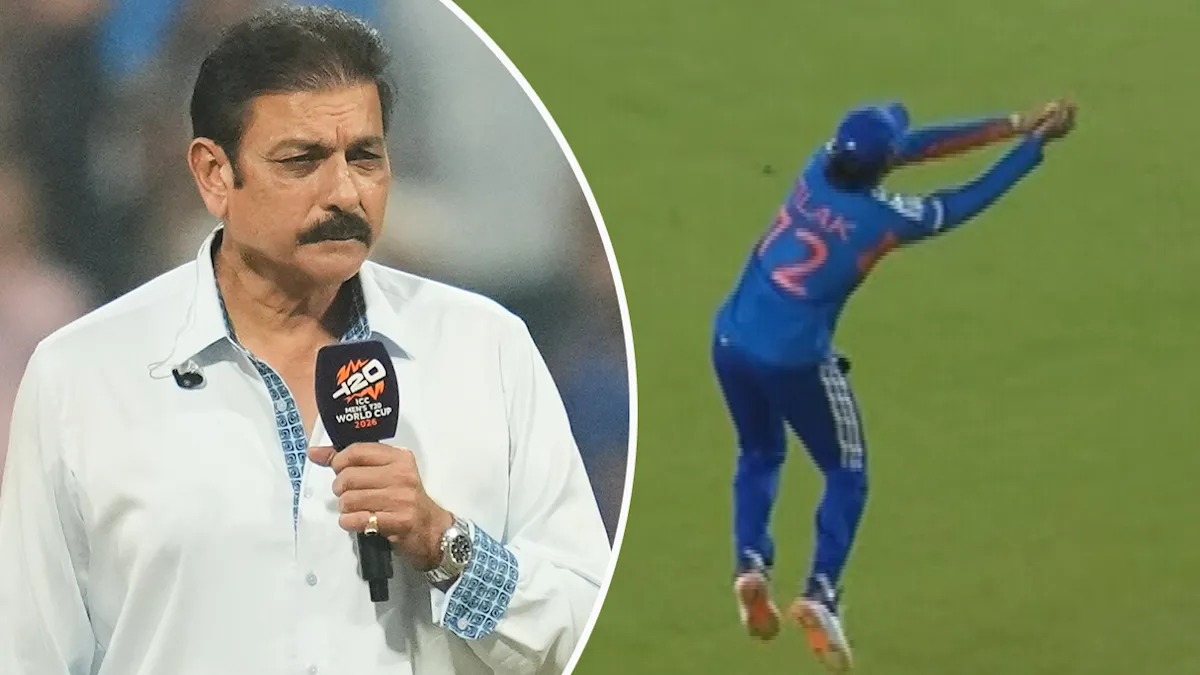
Experts in the cricketing community have weighed in on the significance of this match. Ravi Shastri, a former Indian cricketer and commentator, noted the exceptional performance of the Indian team, stating, “Taken in the deep, ninth wicket goes down,” highlighting the pivotal moments that defined the match. Meanwhile, Jasprit Bumrah expressed his emotions post-match, saying, “It feels extremely special because I have played one final at my home venue but couldn’t win that one, but this one feels really special.” This sentiment resonates with many players who aspire to achieve success in front of their home crowd.
Historically, India has been a powerhouse in T20 cricket, with their victories in 2007 and 2024 setting a precedent for future competitions. The 2026 final added another chapter to this legacy, demonstrating their ability to perform under pressure and adapt to the demands of high-stakes matches. New Zealand, while consistently competitive, has yet to break through and secure a T20 World Cup title, raising questions about their approach and preparation for future tournaments.
Looking Ahead
As both teams reflect on their performances, the focus will shift to upcoming international fixtures and the next T20 World Cup. India will aim to build on their success, while New Zealand will seek to learn from this experience and refine their strategies. The contrasting outcomes of the final serve as a reminder of the unpredictable nature of sports, where expectations can quickly shift based on performance.
The T20 World Cup 2026 Final between India and New Zealand showcased a stark contrast between expectations and reality. With India emerging victorious, the match will be remembered not only for the numbers but also for the emotions and narratives that unfolded on the field. As cricket fans look forward to future tournaments, the lessons learned from this final will undoubtedly shape the trajectories of both teams.