Transition of Power in Iran
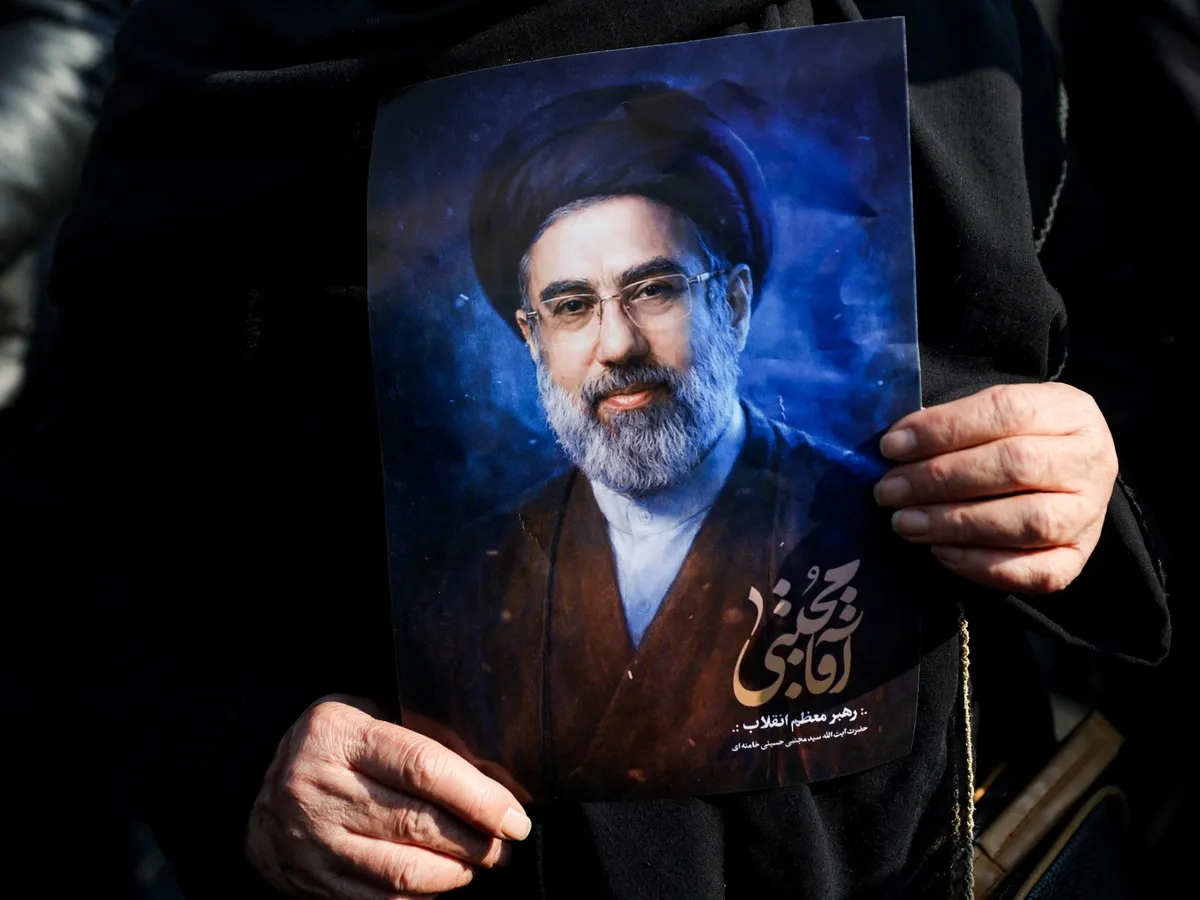
The political landscape in Iran has undergone a significant transformation with the appointment of Mojtaba Khamenei as the new Supreme Leader on March 9, 2026. This development follows the death of his father, the late Supreme Leader Ayatollah Ali Khamenei, who had held the position for over three decades.
Prior to this change, expectations were centered around a potential power struggle within Iran’s political elite, especially given Mojtaba’s lack of formal governmental experience. His rise to power was not anticipated by many analysts, who speculated on various candidates from the existing political framework.
Decisive Moment
The decisive moment came after the death of Ali Khamenei, which was reportedly due to US-Israeli strikes. In the immediate aftermath, Mojtaba received overwhelming support from Iran’s political and security establishments, signaling a swift consolidation of power.
Mass rallies erupted across Iran, demonstrating public backing for the new leader. Notably, Oman’s Sultan and Iraqi Prime Minister Mohammed Shia al-Sudani extended their congratulations, expressing confidence in Mojtaba’s leadership during this sensitive period.
Reactions from Global Leaders
However, the international response was mixed. US President Donald Trump criticized the appointment, labeling it a mistake and questioning its longevity. Meanwhile, Israel’s Foreign Ministry condemned Khamenei, referring to him as a ‘tyrant’ and issuing threats against his leadership.
In contrast, Russian President Vladimir Putin pledged unwavering support for Iran, emphasizing the challenges Mojtaba would face in confronting armed aggression. This juxtaposition highlights the polarized views of Khamenei’s appointment on the global stage.
Expert Perspectives
Experts suggest that Mojtaba Khamenei’s leadership will be closely scrutinized, particularly given the historical context of his father’s rule, which was marked by significant bloodshed. As the new Supreme Leader, Mojtaba’s ability to navigate both domestic and international challenges will be critical.
As the situation unfolds, the implications of this leadership change will likely resonate throughout the region, affecting Iran’s relationships with neighboring countries such as Iraq, Yemen, and Israel.
Details remain unconfirmed regarding the full extent of the political shifts within Iran’s governance structure following this appointment.