Temperature Trends in Mumbai
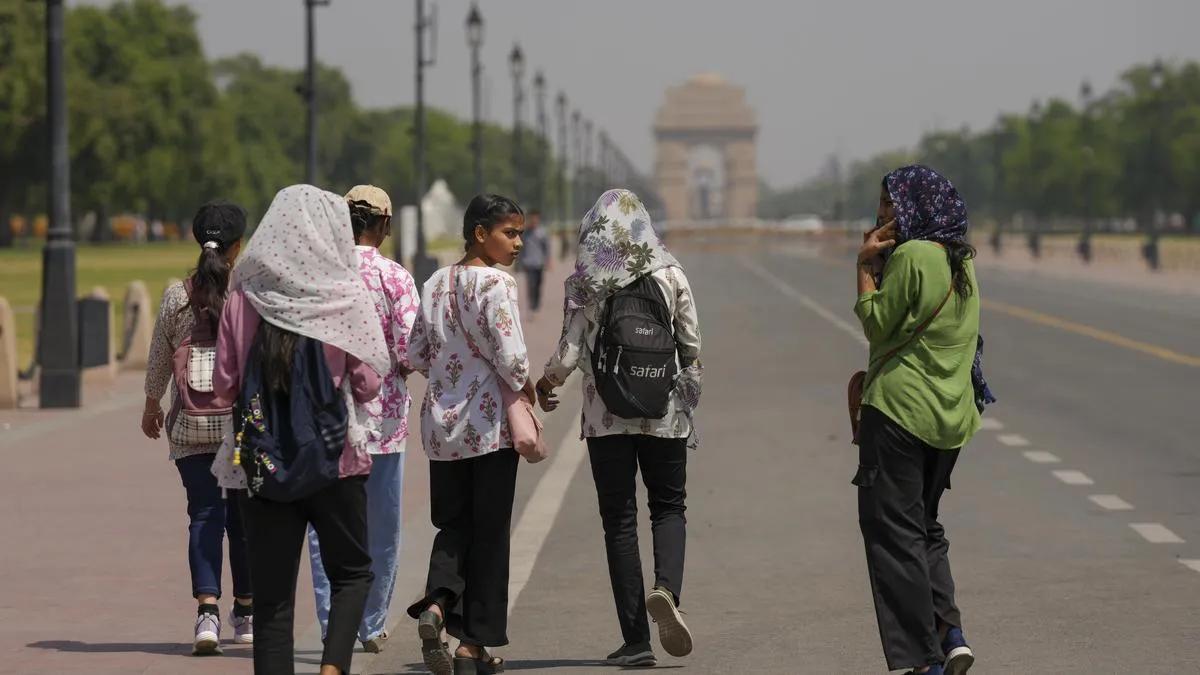
Historically, Mumbai has been known for its tropical climate, characterized by warm temperatures and high humidity levels. The city typically experiences a gradual increase in temperatures as it transitions from winter to summer. However, prior to March 2026, residents anticipated a typical seasonal shift, expecting temperatures to rise steadily but remain within manageable limits.
Decisive Moment: The Heatwave Emerges
On March 9, 2026, Mumbai recorded a maximum temperature of 38.4 degrees Celsius, a significant deviation from the norm. This marked the onset of the city’s first heatwave of the season, the earliest occurrence in at least a decade. The India Meteorological Department (IMD) responded promptly by issuing a heatwave warning for the city. The maximum temperature at Ram Mandir soared to 42.5 degrees Celsius, while Vikhroli recorded 41.7 degrees Celsius, indicating a concerning spike in local temperatures.
Immediate Effects on Residents
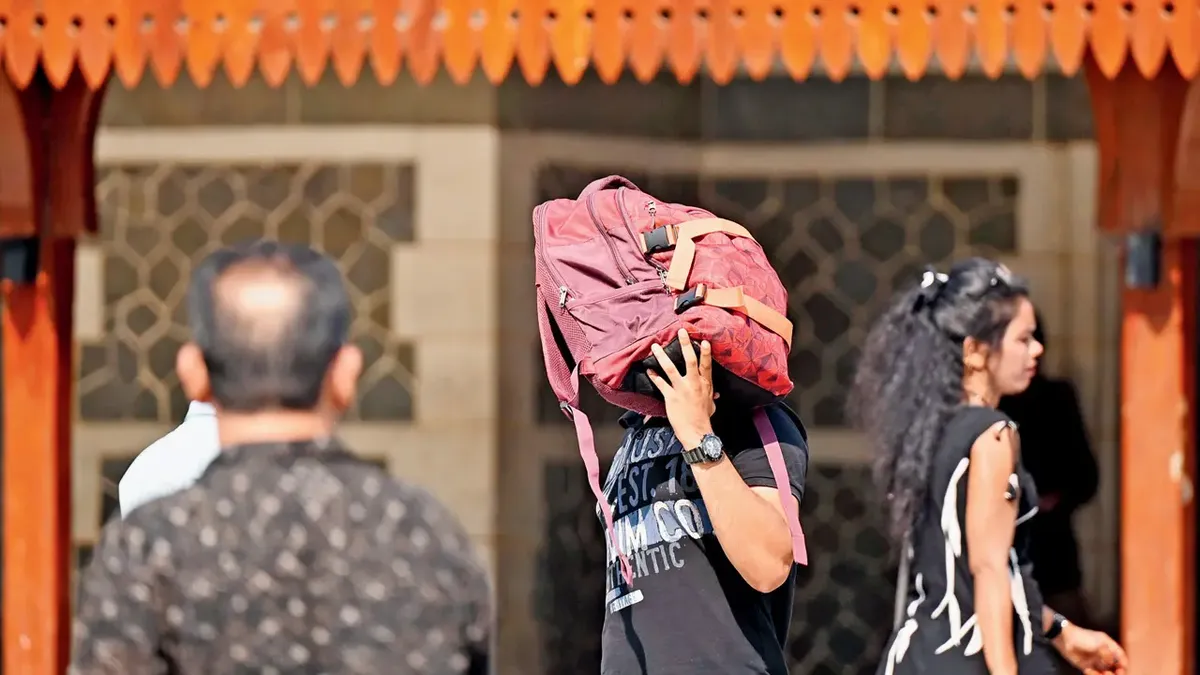
The sudden rise in temperatures has had immediate repercussions for Mumbai’s residents. With humidity levels fluctuating between 18% and 34%, the discomfort has been palpable. The IMD’s predictions indicated that temperatures would hover around 35 degrees Celsius for most of the week, with expectations of 39 degrees Celsius on March 9 and 37 degrees Celsius on March 10. The minimum temperature was recorded at around 24 degrees Celsius, further contributing to the oppressive heat.
Expert Insights on the Temperature Surge
Experts have attributed this unusual spike in temperatures to anticyclonic circulation in the Arabian Sea, particularly affecting regions near south Gujarat and Mumbai. Sushma Nair, a senior scientist at IMD Mumbai, stated, “The spike in temperatures is attributed to the anticyclonic circulation in the Arabian Sea near south Gujarat and neighbouring areas including Mumbai.” This scientific explanation underscores the broader climatic changes impacting the region.
Warnings and Precautions
In light of the extreme weather conditions, the IMD has issued a yellow warning for Mumbai and surrounding areas, including Thane, Palghar, and Navi Mumbai, for the next two days. Residents are advised to take precautions against heat-related illnesses, particularly vulnerable populations such as the elderly and children. The recorded wind speed in Mumbai ranged from 7.4 kmph to 29 kmph, which may provide some relief but is not sufficient to mitigate the heatwave’s effects.
Looking Ahead
As the heatwave persists, it remains crucial for residents to stay informed about weather updates and heed warnings from the IMD. The ongoing rise in temperatures poses challenges not only for daily life but also for public health and safety. With the IMD’s predictions indicating continued high temperatures, the city must prepare for the potential impacts of this early heatwave.
The recent surge in temperatures in Mumbai has raised concerns among residents and officials alike. With the IMD’s warnings in place and expert analyses shedding light on the causes, it is evident that this heatwave marks a significant climatic event for the city. As the situation develops, the focus will remain on ensuring the safety and well-being of the population amidst these extreme weather conditions.