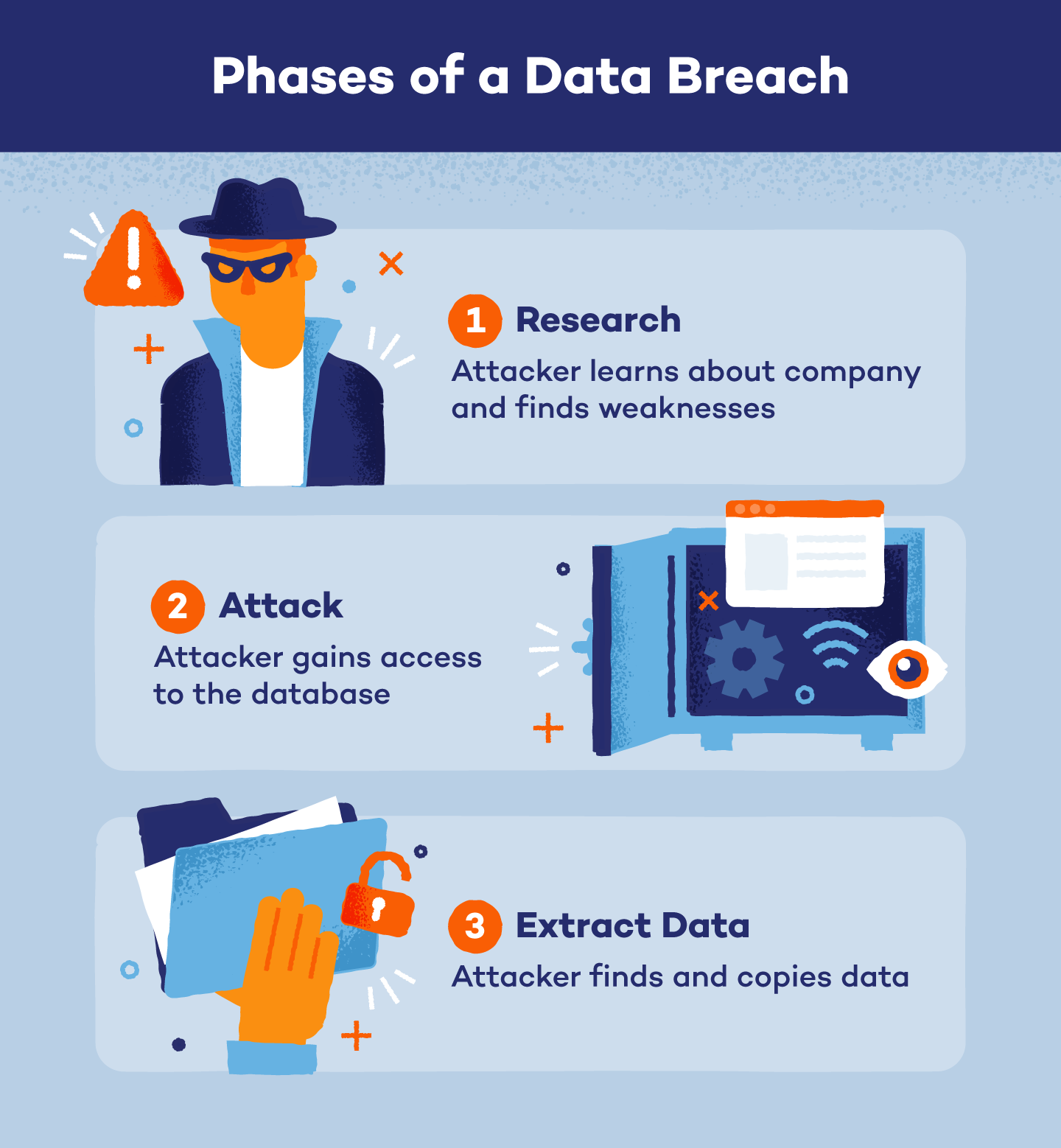
Introduction: The Importance of Data Breaches
In our increasingly digital world, data breaches have become a pressing issue affecting individuals and organizations alike. A data breach refers to the unauthorized access and retrieval of sensitive information such as personal data, financial records, and trade secrets. As businesses adopt more technology to streamline operations, the risk of data breaches increases, making it crucial for everyone to understand this topic and its implications.
What Causes Data Breaches?
Data breaches can occur for various reasons, including human error, malicious attacks, and system vulnerabilities. According to the Identity Theft Resource Center, there were over 1,100 data breaches reported in the United States in 2022, resulting in the exposure of millions of sensitive records.
One common cause of data breaches is phishing attacks, where attackers trick individuals into providing their passwords or personal information. Additionally, weak passwords and lack of network security can leave systems exposed. Recent studies have indicated that over 80% of data breaches are due to weak or stolen passwords. Furthermore, organizations often experience breaches due to outdated software or hardware that does not receive necessary security updates.
Consequences of a Data Breach
The impact of a data breach can be severe, leading to financial loss, reputational damage, and legal consequences for organizations. According to a study by IBM, the average cost of a data breach in 2023 was approximately $4.35 million. This includes not only immediate costs like remediation and recovery but also long-term losses from reputational harm.
For individuals, the consequences can be just as significant, including identity theft and financial fraud. Victims may face challenges in restoring their credit status and may spend months dealing with the repercussions.
Preventive Measures
Preventing data breaches requires a proactive approach. Organizations can implement robust security measures such as multi-factor authentication, employee training on phishing attacks, and regular updates to software and systems. Additionally, conducting security audits and assessments can help identify vulnerabilities before they can be exploited.
For individuals, using strong and unique passwords for different accounts, enabling two-factor authentication, and being aware of suspicious emails or links are essential measures to protect personal data.
Conclusion: The Ongoing Challenge
As technology continues to evolve, the threat of data breaches will persist. Understanding what constitutes a data breach, the common causes, and the significant impacts is crucial for both organizations and individuals. By staying informed and employing effective prevention strategies, we can better prepare ourselves against the risks associated with data breaches. Moving forward, it is imperative that businesses and consumers alike prioritize cybersecurity to mitigate the frequency and impact of these incidents.