Eid ul-Fitr 2026: A Significant Celebration
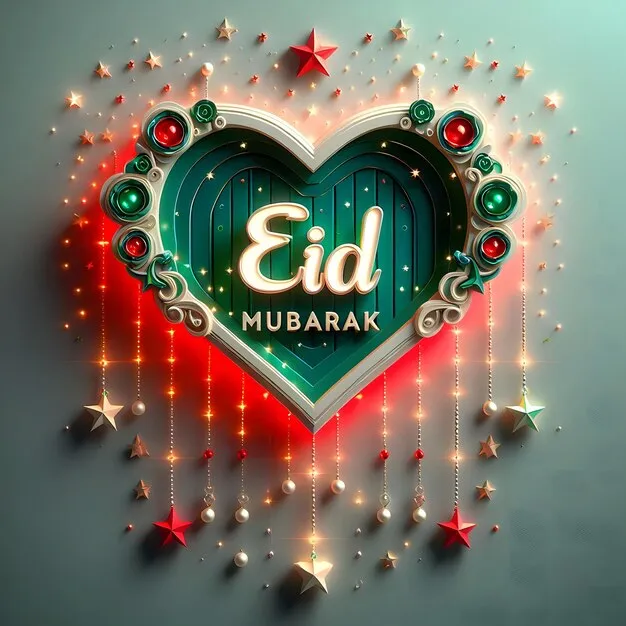
Eid ul-Fitr is a significant festival in Islam that marks the end of Ramadan, a month of fasting and spiritual reflection. Traditionally, this festival is celebrated on the first day of Shawwal, the tenth month of the Islamic calendar. As Ramadan 2026 begins on February 19, the anticipation for Eid ul-Fitr grows among the Muslim community.
Before this development, the expectation was that Eid would fall on March 20, 2026, provided the moon is sighted on March 19. This date has been a focal point for many, as it is common for families to prepare for the festivities well in advance, organizing meals and gatherings.
However, the date of Eid is not fixed and is determined by the sighting of the moon. If the moon is not sighted on March 19, Eid will be celebrated on March 21 instead. This uncertainty creates confusion among people, as they await the official announcement regarding the moon sighting.
The direct effects of this uncertainty impact communities as they plan their celebrations. Eid is a major festival that promotes brotherhood and unity, with families coming together to share special dishes like seviyan and sweets. The day is marked by communal prayers performed in the morning, followed by greetings and exchanges of Eid wishes among friends and family.
Experts emphasize the importance of the moon sighting in Islamic tradition, noting that it is a practice that has been followed for centuries. The reliance on lunar visibility not only adds a layer of anticipation but also reinforces the communal aspect of the festival, as people gather to witness the sighting together.
As the date approaches, many are left wondering, “eid kab hai?” The excitement is palpable, but the final confirmation hinges on the sighting of the moon. Details remain unconfirmed, and communities are urged to stay updated on announcements from local religious authorities.
In summary, while March 20 is the expected date for Eid ul-Fitr 2026, the actual celebration may vary depending on the moon sighting. This highlights the dynamic nature of Islamic observances and the communal spirit that underpins them.