Transition of Power in Iran
Before the recent appointment of Mojtaba Khamenei as Iran’s Supreme Leader, expectations were centered around a potential power vacuum following the death of his father, Ali Khamenei. The late Supreme Leader had held significant influence over Iran’s political landscape for decades, and his passing raised questions about the future direction of the Islamic Republic.
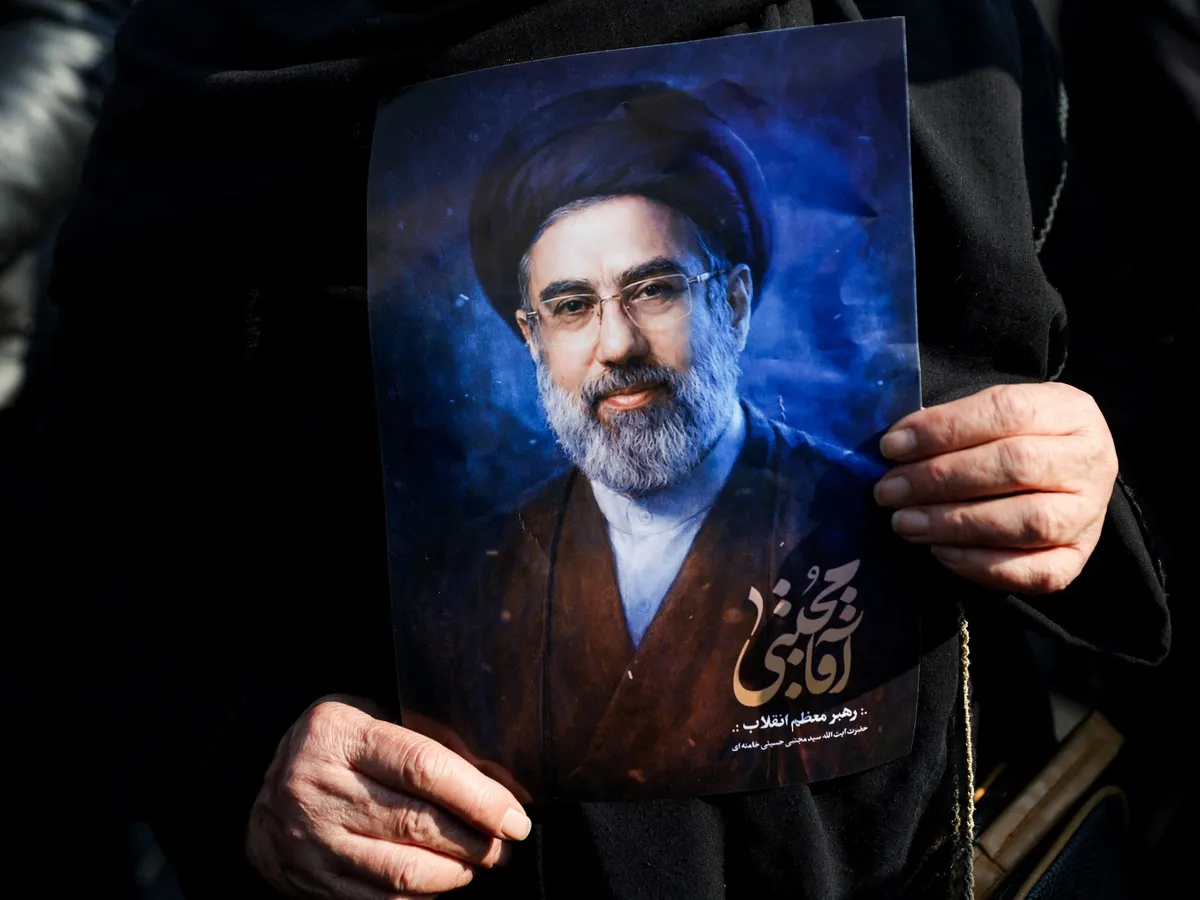
On March 9, 2026, Mojtaba Khamenei was appointed as Supreme Leader, a decisive moment that followed his father’s death due to US-Israeli strikes. This event not only marked a new chapter in Iran’s governance but also highlighted the ongoing tensions with external powers.
In the immediate aftermath of his appointment, Mojtaba Khamenei received backing from Iran’s political and security establishment, indicating a unified front within the country. Mass rallies were held in support of Khamenei, showcasing a significant level of public endorsement.
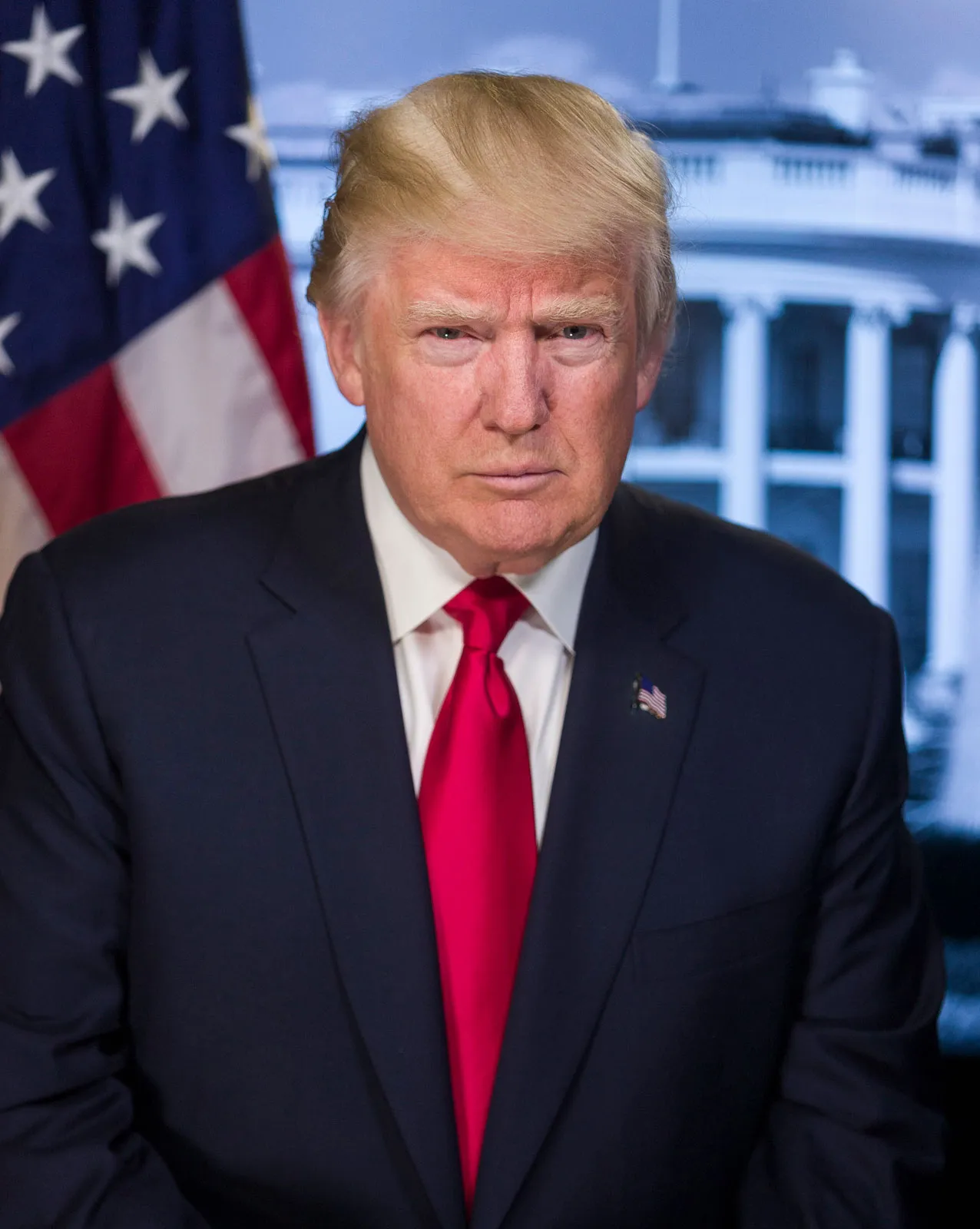
International reactions varied widely. Oman’s Sultan sent a congratulatory message, while Iraqi Prime Minister Mohammed Shia al-Sudani expressed confidence in Khamenei’s ability to lead Iran through challenging times. In contrast, US President Donald Trump criticized the appointment, calling it a mistake, and Israel’s Foreign Ministry labeled Khamenei a ‘tyrant’ while issuing threats against him.
Expert Perspectives
Experts suggest that the appointment of Mojtaba Khamenei, who has never held a formal position in government, could lead to a continuation of his father’s policies. Vladimir Putin pledged unwavering support to Iran, emphasizing the need for strong leadership during a time of armed aggression.
As the situation unfolds, the implications of Mojtaba Khamenei’s leadership will be closely monitored by both domestic and international observers. The complexities of Iran’s political landscape, coupled with the ongoing conflicts with the US and Israel, suggest that his tenure may be marked by significant challenges.
Details remain unconfirmed regarding the full extent of changes in Iran’s foreign policy under the new Supreme Leader, but the initial reactions indicate a polarized response from the international community.