Malawi Faces Challenges Amid Food Security Concerns
Malawi is currently facing significant food security challenges, exacerbated by drought conditions linked to the El Niño effect. In response, India has dispatched 1,000 metric tonnes of rice to support the nation, highlighting the urgent need for assistance in this landlocked country in southeastern Africa.
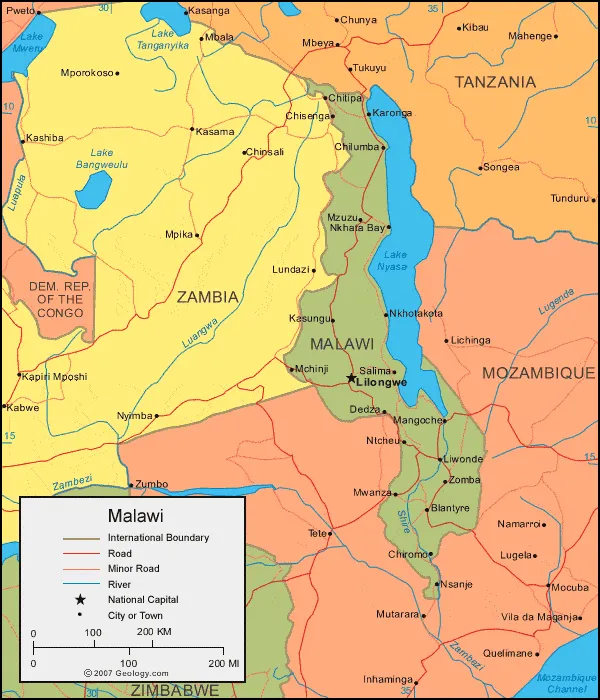
Malawi, bordered by Tanzania, Mozambique, and Zambia, relies heavily on subsistence farming, which makes it particularly vulnerable to climate fluctuations. The recent drought has intensified food shortages, prompting international aid efforts to ensure that the population has access to essential food supplies.
In addition to food security issues, Malawi is also grappling with a significant public health challenge, as approximately 7% of its population lives with HIV. Remarkably, Malawi is one of the few countries that have met the United Nations’ 95-95-95 targets for HIV treatment, which aims for 95% of people living with HIV to be diagnosed, 95% of those diagnosed to receive sustained antiretroviral therapy, and 95% of those on therapy to achieve viral suppression.
The implementation of an electronic medical record system in 106 HIV clinics across Malawi between 2007 and 2019 has played a crucial role in improving health outcomes. This system, funded by the government with support from international donors, has been credited with reducing the annual number of patient deaths by an estimated 28% five years after its adoption.
The cost for an average clinic to adopt this electronic medical record system was approximately US$34,050, with an estimated cost of US$448 per life saved. This investment has yielded significant returns, particularly in reducing the number of children under the age of 10 dying from HIV/AIDS, which fell by 44% within five years of the system’s implementation.
As Malawi continues to navigate these intertwined challenges of food insecurity and public health, observers are closely monitoring the situation. The ongoing support from international partners, such as India’s rice donation, is critical in addressing the immediate food needs of the population.
Details remain unconfirmed regarding the long-term impacts of the current drought and the effectiveness of the support being provided. However, the resilience of the Malawian people and the ongoing efforts to improve healthcare access and food security remain key areas of focus for both local and international stakeholders.