Background of the Conflict
The Israel-Iran war began on February 28, 2026, marked by coordinated attacks from the United States and Israel on Iranian targets. Initial expectations were that these military actions would quickly subdue Iranian resistance and lead to a swift resolution.
Recent Developments
However, the situation has drastically changed. Iran has firmly rejected multiple ceasefire proposals from the US, with its foreign minister stating that a unilateral declaration of victory by the US would not suffice to end the conflict. Instead, Iran demands a permanent deal that guarantees no future attacks against it.
Casualties and Impact
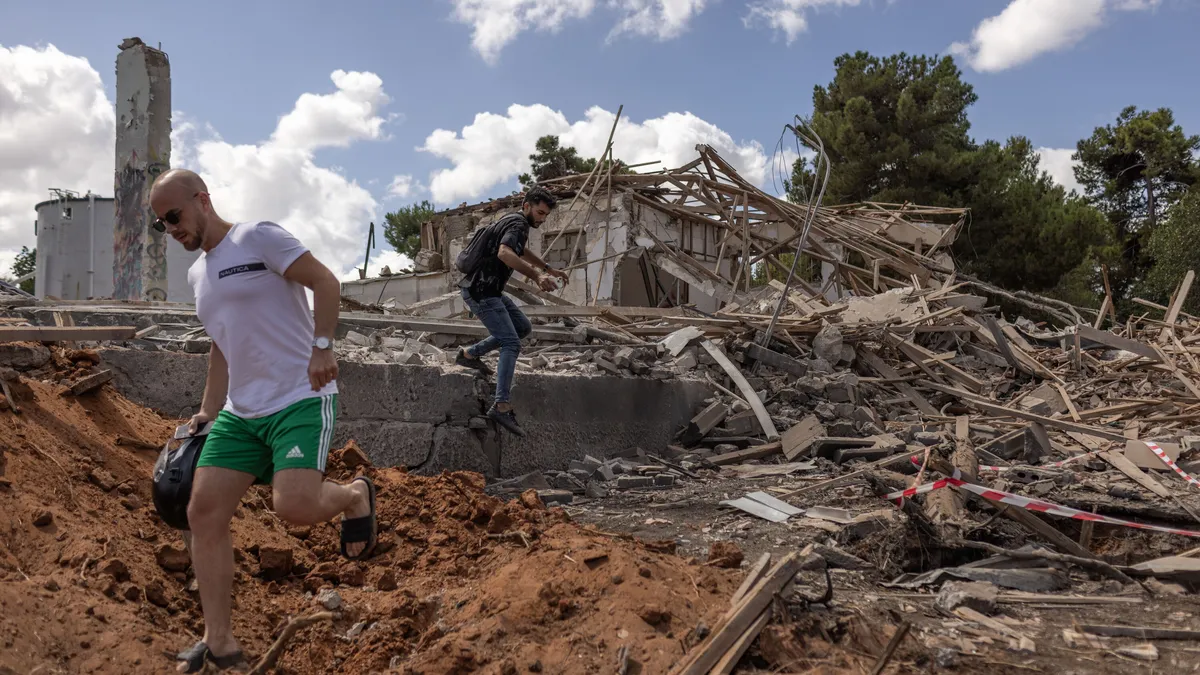
The ongoing conflict has resulted in significant casualties, with 1,230 people killed in Iran, 397 in Lebanon, and 11 in Israel since the war’s inception. Additionally, 7 U.S. service members have lost their lives, and 140 have been reported wounded. The conflict has also severely disrupted oil transportation, as Iran has effectively halted tanker traffic through the strategically vital Strait of Hormuz, which carries 20 percent of the world’s crude oil.
Statements from Leaders
Iran’s parliament speaker, Mohammed Ghalibaf, has made it clear that Iran is not seeking a ceasefire, emphasizing, “We are absolutely NOT seeking a ceasefire.” This sentiment is echoed by Kazem Gharibabadi, who insists that any ceasefire must include guarantees against future aggression.
Expert Perspectives
Experts have weighed in on the situation, with Masoud Pezeshkian noting, “The destroyers have come and gone. Iran remains.” This highlights the resilience of Iran amidst ongoing military pressures. Furthermore, Ali Larijani’s assertion that Iran does not fear threats from its adversaries reinforces the complexity of the conflict.
Economic Repercussions
The war has also led to fluctuations in oil prices, with Brent crude reaching a peak of $120 per barrel before stabilizing around $90. This volatility reflects the broader economic implications of the conflict, particularly for global energy markets.
Uncertainties Ahead
As the situation evolves, the exact conditions under which Iran would agree to a ceasefire remain unclear. Details remain unconfirmed, leaving the potential for further escalation in the region.