What is the weather like today across India?
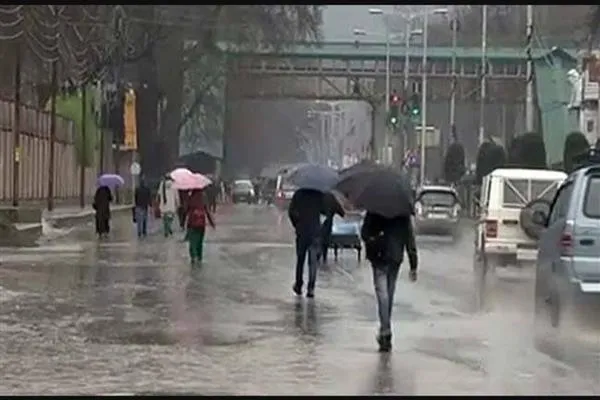
Weather today across India presents a striking contrast, raising questions about the impact of these varying conditions on daily life. In northern hill states, cold temperatures prevail, with chances of snowfall, while several plains and western regions are grappling with rising temperatures and early heatwave conditions.
Temperature Extremes Across Regions
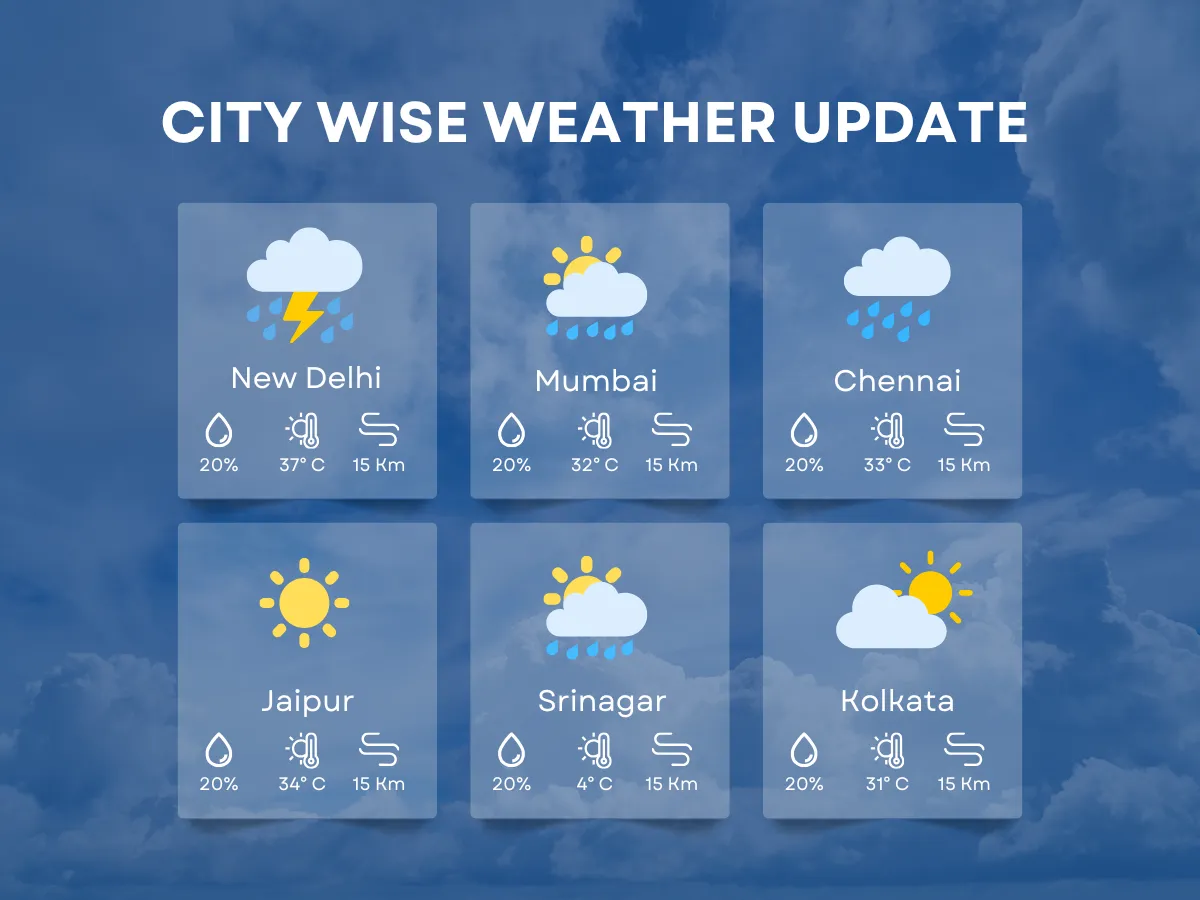
In Vidarbha and Gujarat, temperatures have already soared past 40 degrees Celsius, prompting the India Meteorological Department to issue heatwave alerts for Gujarat, Saurashtra, and Kutch. Meanwhile, Delhi’s weather today features a minimum of 25 degrees Celsius and a maximum of 37 degrees Celsius, characterized by clear skies. In contrast, Chennai is experiencing a minimum of 26 degrees Celsius and a maximum of 34 degrees Celsius, with humid coastal conditions, while Mumbai reports a minimum of 27 degrees Celsius and a maximum of 31 degrees Celsius, reflecting mild coastal warmth.
Cold Conditions in the North
In stark contrast, Jammu and Kashmir’s weather today reports a minimum of 0 degrees Celsius and a maximum of 7 degrees Celsius, with occasional snowfall in higher areas. This divergence in weather patterns highlights the diverse climatic conditions across the country, impacting both lifestyle and travel.
Air Quality and Health Risks
In addition to temperature variations, air quality remains a concern, particularly in Delhi, where the air quality index (AQI) is estimated at 165, categorizing it as moderate. Rising temperatures in major cities could increase dehydration risks and energy consumption, prompting health advisories for residents.
Travel Implications
Heatwave alerts are currently active in western India, advising travelers to avoid outdoor activities during peak afternoon hours. Additionally, fresh snowfall in Jammu and Kashmir may disrupt travel on high-altitude roads and mountain passes, further complicating transportation in the region.
Looking Ahead
As the day progresses, the contrasting weather conditions across India raise questions about the implications for public health and travel. While the heat in the plains may lead to increased energy demands, the cold in the north could affect local economies reliant on tourism and travel. Details remain unconfirmed about the long-term impacts of these weather patterns.