Context of the Remarks
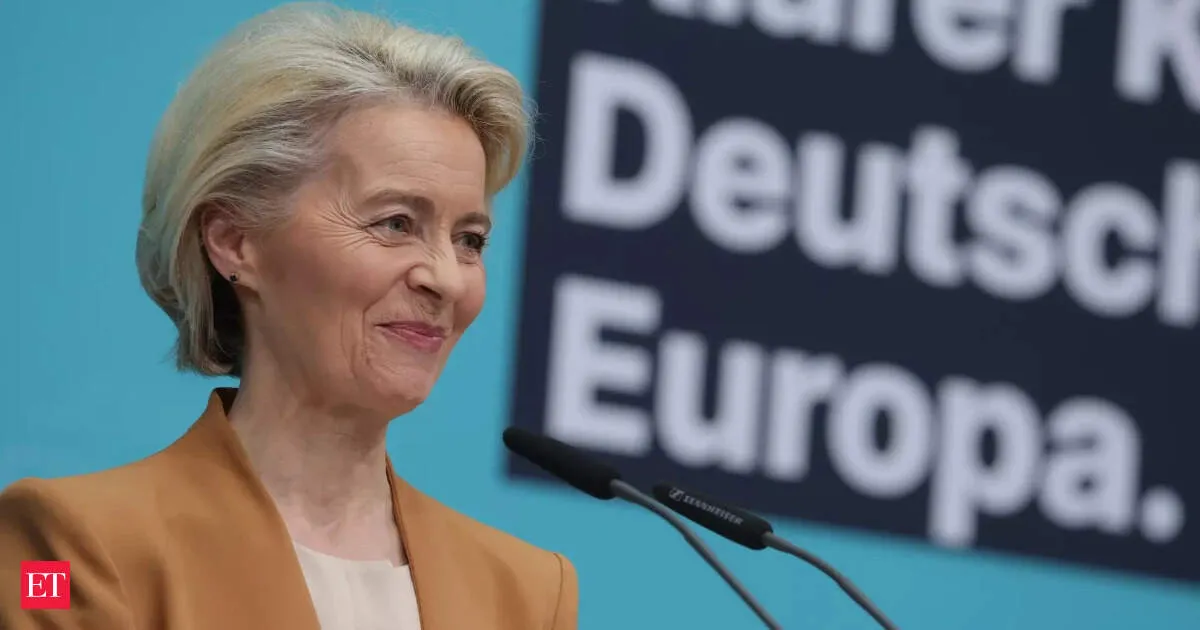
Ursula von der Leyen, the president of the European Commission, recently made headlines with her assertion that the rules-based world order is finished. This statement has not only stirred significant debate within the European Union but has also raised questions about the future of international relations and the EU’s role in them.
Following her remarks, which suggested that Europe can no longer act as a custodian for an outdated world order, a wave of discontent emerged among EU member states. On the same day, António Costa, the president of the European Council, publicly disagreed with von der Leyen’s stance, emphasizing the necessity for Europeans to defend the rules-based international order. His comments underscored a growing divide within the EU regarding foreign policy direction.
In the days that followed, Spanish Foreign Minister José Manuel Albares also voiced his disagreement, stating that there is no opposition between an old order and a new order, but rather between international order and disorder. This sentiment resonated with many who felt that von der Leyen’s comments could undermine the EU’s collective diplomatic efforts.
Growing Discontent
As the backlash against von der Leyen’s remarks intensified, discontent began to surface in countries like France and Spain. Critics argued that her comments not only misrepresented the EU’s position but also risked alienating member states that rely on a unified front in foreign policy. The situation escalated to the point where calls for clarification and even a potential no-confidence vote against her emerged.
Official Responses
In response to the mounting criticism, the European Commission rushed to add nuance to von der Leyen’s statements. Officials sought to clarify that her remarks were not intended to dismiss the importance of international order but rather to reflect a changing geopolitical landscape. However, this attempt at damage control did little to quell the unrest among member states.
Criticism of Foreign Policy Actions
Moreover, von der Leyen’s foreign policy actions have faced scrutiny for allegedly overstepping her bounds. Thierry Breton, a prominent figure within the EU, remarked that when the Commission behaves like an autonomous diplomatic actor, it dilutes the European voice. This critique highlights the delicate balance that EU leaders must maintain between national interests and collective European diplomacy.
Implications for the EU
The controversy surrounding von der Leyen’s remarks is part of a larger issue regarding her accumulation of foreign policy responsibilities. The French government has warned that the High Representative is responsible for directing the Union’s common foreign and security policy, indicating that von der Leyen’s comments could complicate existing frameworks for EU diplomacy.
Current State and Future Considerations
As of now, the situation remains tense, with various member states expressing their concerns about the implications of von der Leyen’s statements. The European Union stands at a crossroads, facing challenges that require a cohesive response. The ongoing debate over the rules-based international order and the EU’s role in it will likely continue to shape discussions among member states in the coming weeks.