Weather Developments in Srinagar
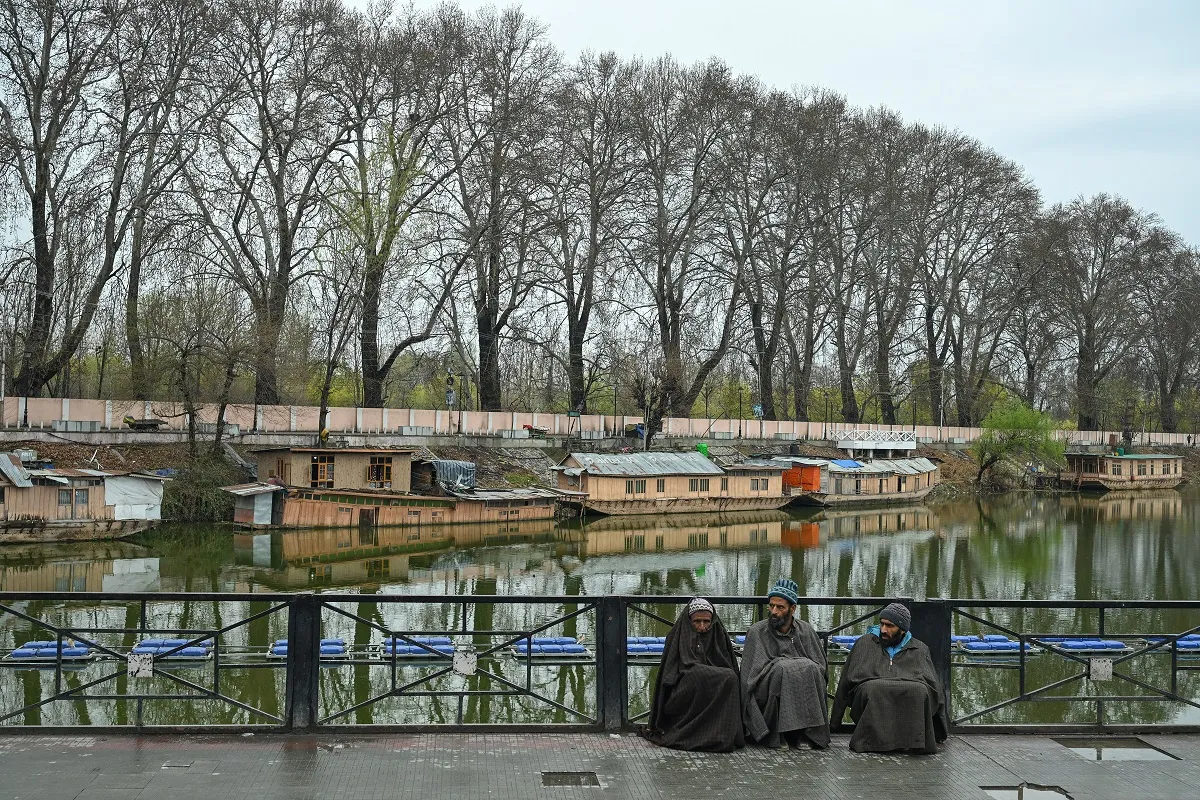
On March 11, 2026, the weather in Srinagar, Kashmir, was marked by fresh snowfall in the higher reaches of the region, while several plains experienced light to moderate rain. This weather pattern follows a notably dry winter season, which saw a significant precipitation deficit across the area.
Recent Rainfall and Temperature Records
During the 24 hours leading up to 8:30 am on March 11, Kupwara received approximately 6.4 mm of rain, while Gulmarg recorded 2.8 mm and Srinagar itself saw around 1.2 mm of rainfall. The maximum temperature in Srinagar reached 17.6 degrees Celsius, which is about 2.9 degrees above the normal for this time of year. The minimum temperature settled at 10.5 degrees Celsius, around 7.2 degrees above the seasonal average.
Comparative Weather Conditions
In contrast, Gulmarg recorded the lowest minimum temperature in the Kashmir division at 2.4 degrees Celsius. Meanwhile, Jammu city experienced a maximum temperature of 31.2 degrees Celsius, nearly 5.8 degrees above normal, highlighting the varied climatic conditions across the region.
Winter Precipitation Deficit
This year, the region has faced its seventh consecutive winter rainfall deficit, with the core winter period from December 2025 to February 2026 concluding with a 65 percent precipitation deficit. This lack of adequate rainfall has raised concerns among local residents and agricultural stakeholders.
Forecast and Future Weather Patterns
The Meteorological Department has indicated that erratic weather conditions are expected to persist across Jammu and Kashmir until March 19. They noted, “Weather conditions across Jammu and Kashmir will remain erratic till March 19,” emphasizing the unpredictability of the current weather patterns.
Impact on Local Communities
The recent weather developments are significant for the local population, particularly for farmers and those reliant on agriculture, as the erratic weather could affect crop yields and water supply. The light to moderate precipitation recorded in various areas may provide some relief, but the ongoing deficit from the winter months raises concerns about long-term water availability.
As Srinagar and the surrounding regions navigate these recent weather changes, the community remains alert to the potential impacts on daily life and agriculture. The Meteorological Department’s forecasts will be closely monitored as residents prepare for the upcoming days of uncertain weather.