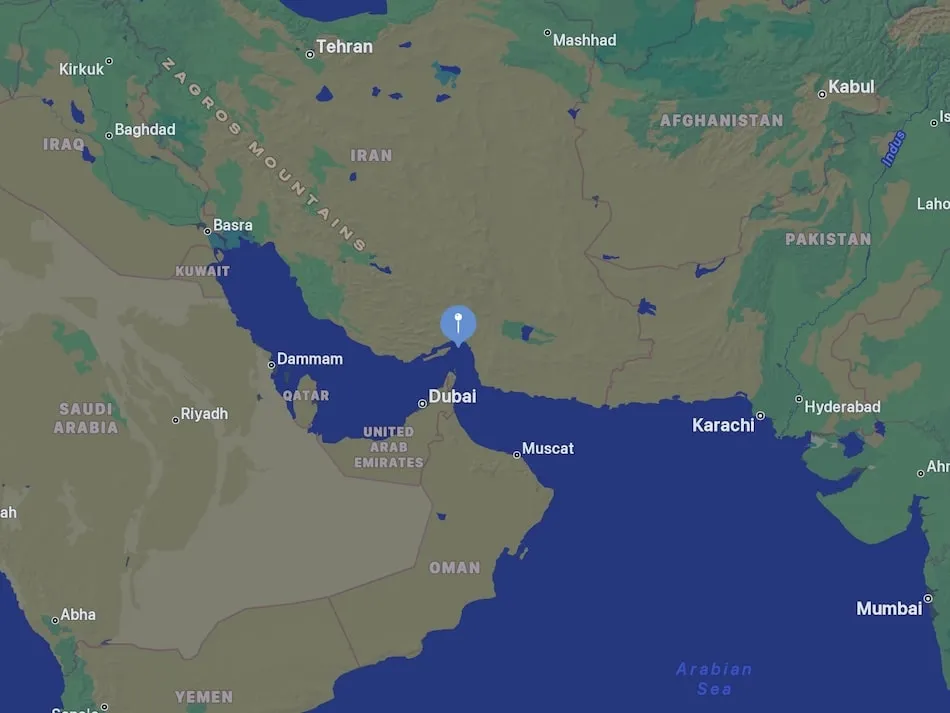
Background on the Strait of Hormuz
The Strait of Hormuz is considered one of the most important maritime chokepoints in the global energy system. Over 20 million barrels of crude oil pass through this narrow waterway daily, making it a critical route for oil shipments, particularly for countries like India, which relies on this passage for approximately 40% of its crude imports.
Recent Developments
On March 12, 2026, an Indian government source reported that Iran would allow Indian-flagged oil tankers to transit the Strait of Hormuz. This announcement comes amid heightened tensions in the region, particularly following a series of attacks on commercial shipping by Iranian forces. Since the conflict began in late February, Iran has reportedly attacked at least 16 ships transiting the strait.
Conflicting Statements
However, an Iranian source has denied that any formal agreement has been reached regarding the passage of Indian tankers, leaving the situation ambiguous. This discrepancy raises questions about the safety and operational viability of Indian vessels in the region. Currently, 28 Indian-flagged vessels are operating on both sides of the Strait of Hormuz, carrying a total of 778 Indian sailors.
Impact on Shipping
The Suezmax tanker Shenlong recently made headlines as it became the first crude carrier to reach India from the Middle East since the conflict began, carrying 135,335 metric tonnes of Saudi crude. The tanker’s arrival in Mumbai marks a significant development, as it indicates that some shipping routes may still be operational despite the ongoing hostilities. The discharge process for the Shenlong is expected to take around 36 hours.
Reactions from Officials
In light of these developments, Indian officials have expressed their concerns. The Indian foreign ministry stated, “India deplores the fact that commercial shipping is being made a target of military attacks in the ongoing conflict.” Meanwhile, Iranian military officials have emphasized that any vessel intending to pass through the Strait must obtain permission from Iran, underscoring the complexities of navigating these waters safely.
Future Considerations
Observers are closely monitoring the situation, as the exact nature of the agreement between India and Iran regarding the safe passage of Indian vessels remains unclear. Additionally, it is uncertain how directives are being communicated within Iran’s administrative and military structure. Alireza Tangsiri, an Iranian military official, raised pertinent questions regarding the safety assurances for vessels, suggesting that the crews of the vessels Express Rome and Mayuree Naree should clarify their experiences.
As the situation evolves, the implications for maritime security in the Strait of Hormuz are significant. With tensions high and the potential for further military actions, the safety of commercial shipping in this vital corridor remains a critical concern for all stakeholders involved. Details remain unconfirmed regarding the agreements and safety measures in place, leaving many in the shipping industry on edge.