Political Landscape Before the Uprising
Before the recent developments, Bangladesh was under the long-standing rule of Sheikh Hasina and her Awami League party. The political atmosphere was marked by increasing tensions, culminating in a deadly uprising in 2024 that resulted in approximately 1,400 fatalities and over 20,000 injuries. This unrest highlighted the growing discontent among the populace, particularly against what many perceived as a dictatorship.
Decisive Changes in Governance
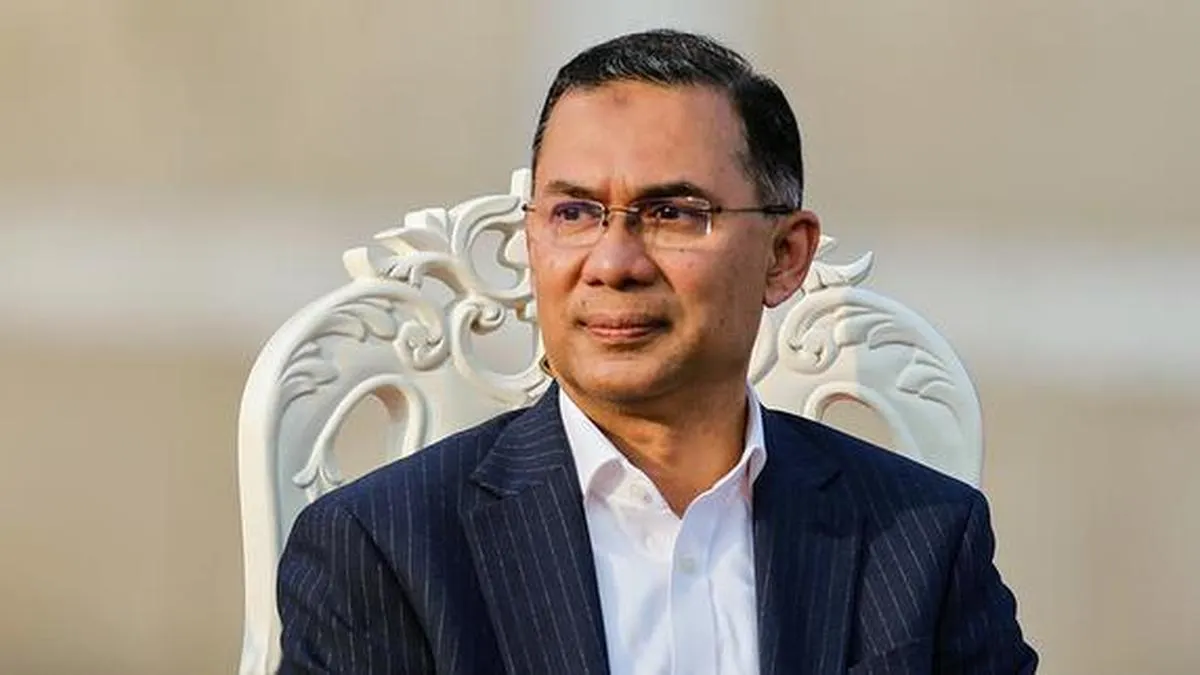
On March 12, 2026, Bangladesh’s Parliament convened for the first time since the uprising, signaling a significant shift in governance. The Bangladesh Nationalist Party (BNP), led by Tarique Rahman, emerged as a dominant force, securing 212 seats in the 350-member Parliament, with the BNP alone winning 209 seats. This marked a decisive moment in the political landscape, as the BNP-led alliance began to reshape the country’s governance.
Immediate Effects on Political Dynamics
The immediate aftermath of the elections saw Tarique Rahman emphasizing the importance of a Parliament that represents the people’s will. He stated, “After more than a decade and a half of fascist and subservient rule, the activities of Parliament are beginning today with representatives elected by the people.” This sentiment reflects a broader desire for democratic governance and accountability.
Expert Perspectives on the Shift
Political analysts note that the BNP’s rise to power could lead to a more engaged and functional Parliament, contrasting sharply with the previous regime’s approach. Rahman has pledged to make Parliament the center of national debates and problem-solving efforts, a stark departure from the past where it was deemed dysfunctional.
Context of Energy Trade
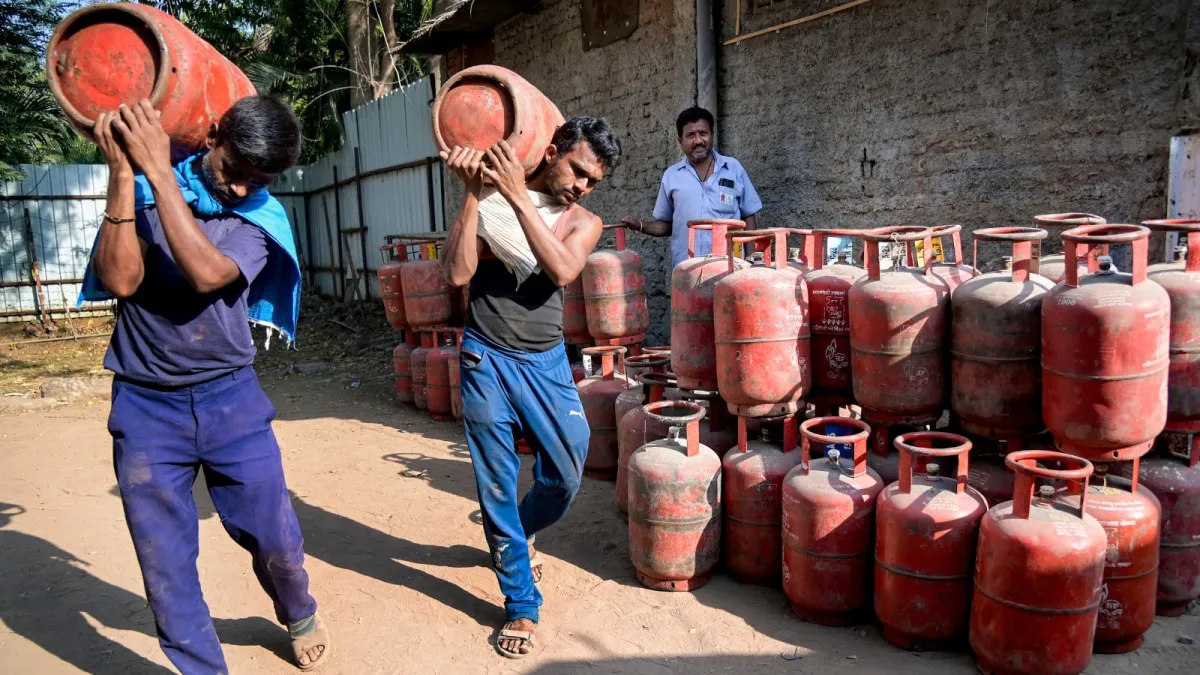
Amidst these political changes, Bangladesh continues to rely on energy imports, particularly diesel from India, facilitated by the India-Bangladesh Friendship Pipeline, operational since 2017. This ongoing energy trade remains crucial for the country’s economy, especially as it grapples with an energy crisis that has led to university closures and fuel rationing.
Looking Ahead
The future of Bangladesh’s political landscape remains uncertain as the BNP seeks to establish a stable governance framework. The recent elections have opened a new chapter, but the challenges posed by the energy crisis and the aftermath of the uprising will require careful navigation. As Rahman stated, “The BNP wants to build a prosperous, safe and democratic country,” indicating a commitment to addressing these pressing issues.